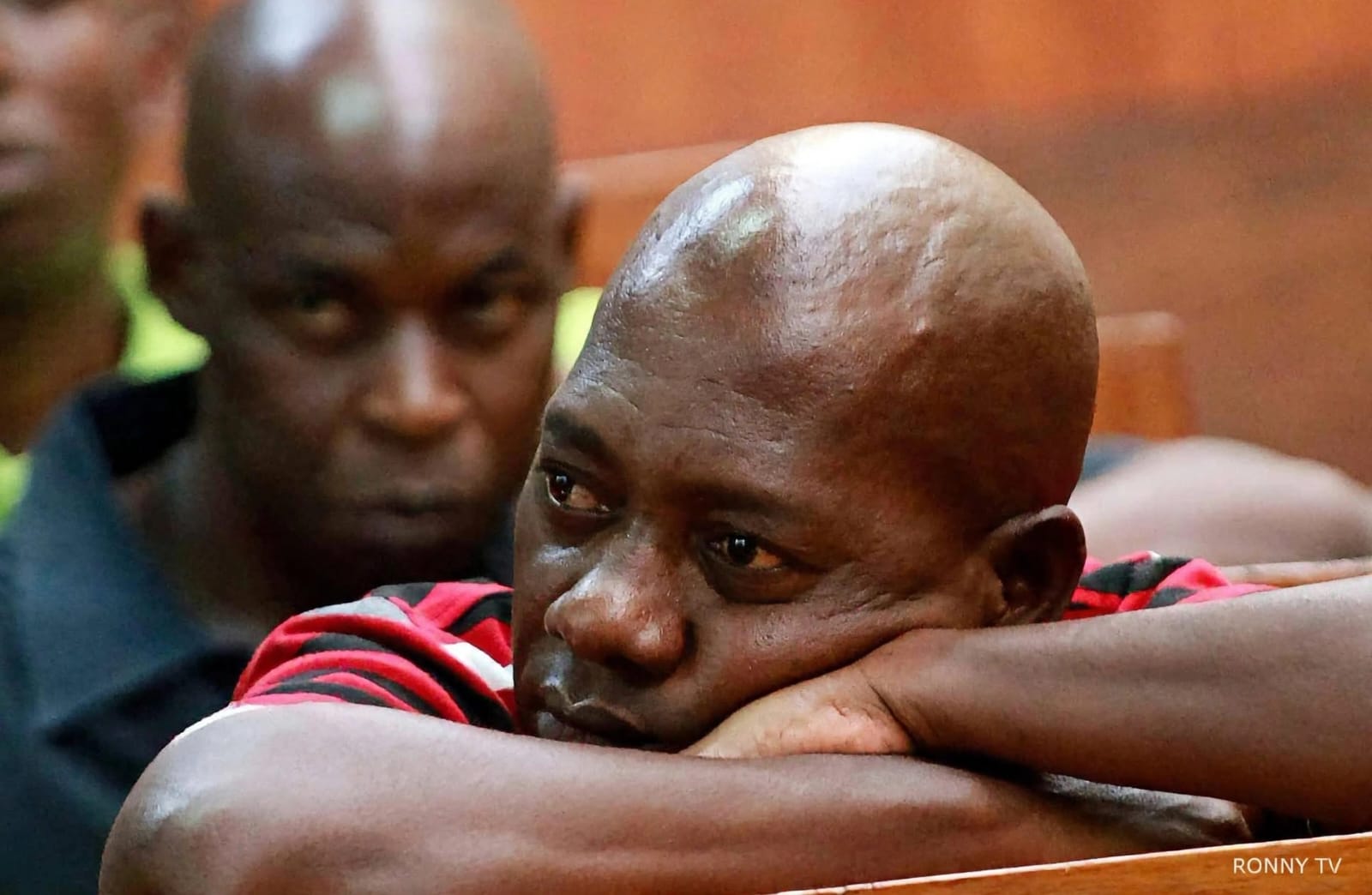
Controversial preacher Paul Mackenzie has asked the court to show him mercy ahead of sentencing in the Shakahola massacre case, arguing that he and his co-accused have also suffered personal losses, including the loss of their children and property.
Mackenzie made the plea before Justice Diana Kavedza as the court considered the appropriate sentences for him and 28 co-accused convicted over the deaths of 191 people, including 190 children, in Shakahola Forest.
Through his lawyer, Mackenzie urged the judge to consider their personal circumstances, time spent in custody and participation in rehabilitation programmes before imposing punishment.
“In a way, we lost property and our children. Something we regret, and we pray that this court has mercy and takes into account before passing a harsh sentence on us,” he pleaded.
The defence team acknowledged the magnitude of the tragedy, describing the deaths as a loss of immeasurable proportions. However, the lawyers argued that the sentencing process should also consider whether the convicts had demonstrated a willingness to change.
They told the court that the accused had been in custody since 2023 and had participated in various programmes, including religious training and deradicalisation initiatives.
According to the defence, these interventions had helped some of the convicts reconsider their former beliefs and demonstrated their potential for rehabilitation and eventual reintegration into society.
The lawyers further urged the court to consider the consequences of prolonged imprisonment on the accused persons’ families, asking for prison terms of not more than 10 years, with the time already spent in custody taken into account.
But the prosecution dismissed the defence’s appeal for leniency, arguing that the accused had not shown sufficient remorse for their roles in the deaths.
Assistant Director of Public Prosecutions Jami Yamina told the court that all the convicts, except Enos Amanya Ngala, had continued to deny the charges.
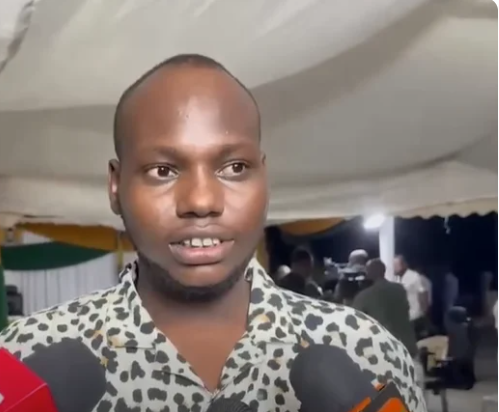
He questioned whether the accused had genuinely abandoned the teachings associated with the tragedy, arguing that their continued adherence to those beliefs raised concerns about the effectiveness of their claimed rehabilitation.
“Essentially, the convicts expressed no remorse or regret on their part. It is also absurd that they persist with the adherence to the teachings that caused the deaths,” Yamina submitted.
The prosecution urged Justice Kavedza to impose the death penalty on Mackenzie, maintaining that the scale and circumstances of the offences justified the maximum punishment.
Alternatively, the state asked the court to sentence him to life imprisonment if the judge finds the death penalty inappropriate.
For the other 28 convicts, the prosecution is seeking life imprisonment, alongside structured rehabilitation and disengagement programmes.
The competing submissions place the court before two sharply different sentencing positions, with the defence seeking terms of no more than 10 years and the prosecution pushing for the harshest penalties available.
The Shakahola tragedy involved followers who reportedly undertook extreme fasting after embracing teachings that promised they would meet Jesus.
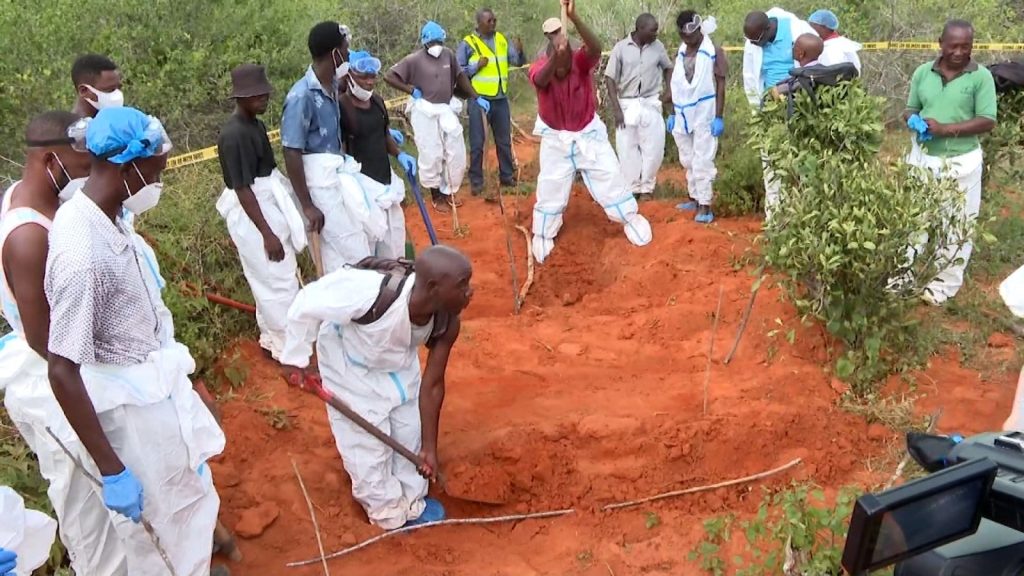
Investigations into the deaths led to the discovery of mass graves in Shakahola Forest, with the wider death toll reaching 429.
The current sentencing proceedings relate to the convictions over 191 deaths, including 190 children, and mark a significant stage in the judicial process arising from one of Kenya’s deadliest religious extremism cases.