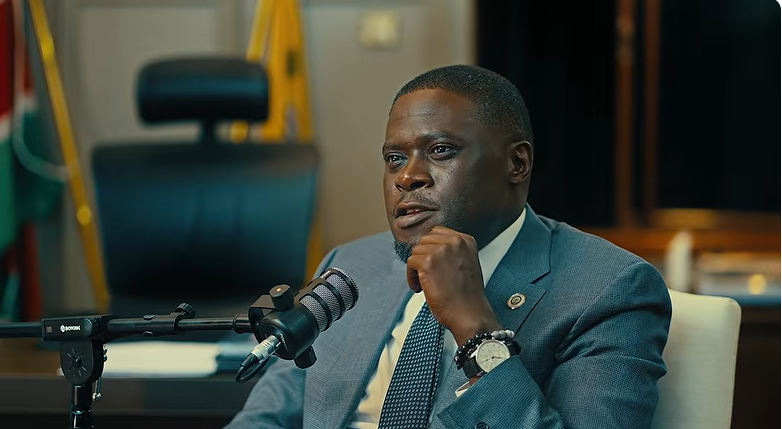
Nairobi Governor Johnson Sakaja has revealed how he negotiated political cooperation with ODM and allies of Wiper leader Kalonzo Musyoka, securing positions for their associates in his county government while he was still a member of President William Ruto’s UDA party.
In a Wednesday, November 4, 2026, revealing interview on The Nairobi Baraza podcast, Sakaja disclosed that he appointed ODM-affiliated officials to senior positions at City Hall before the formation of the broad-based government, while also accommodating individuals associated with Kalonzo’s political camp.
The governor said the arrangement was informed by Nairobi’s political composition after the 2022 General Election, which left UDA without a majority in the County Assembly and forced his administration to work with rival political formations.
He revealed that the negotiations involved County Executive Committee Members (CECs), chief officers and directors, with some of the appointments sparking resistance within Kenya Kwanza.
“I need to work with Baba. I need to work with Kalonzo. I give Kalonzo positions, chief officers, whatnot, directors of people who are credible,” Sakaja said.
His account offers an insight into the political arrangements that were taking shape inside Nairobi County long before his formal departure from UDA and subsequent entry into ODM.
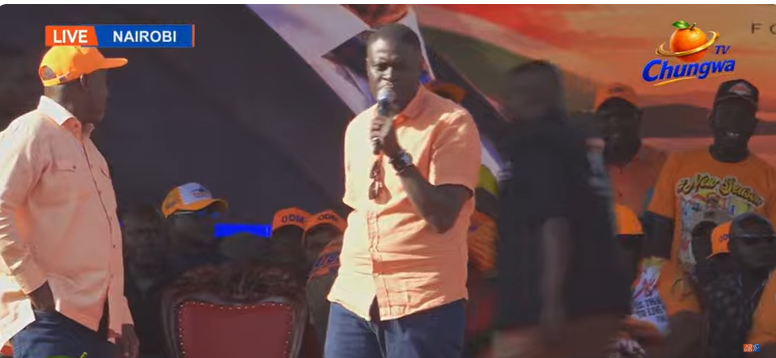
ODM’s City Hall positions
Sakaja disclosed that his administration had already brought ODM-affiliated individuals into senior county government positions before the broad-based government arrangement between the ruling party and the opposition.
He specifically cited appointments involving CECs, who serve as county ministers, as well as chief officers.
“I got CECs who are the ministers in the county, who I got from ODM before those broad-based. I got them appointed. I got chief officers appointed,” he revealed.
The governor also explained that the appointment process involved scrutiny of candidates proposed by political allies, insisting that he was not prepared to accept names simply because they had political backing.
“The first few came, we said no, give us other names,” he said.
Sakaja maintained that he wanted credible individuals to occupy the positions, suggesting that political cooperation did not mean abandoning his administration’s standards for appointments.
Although he did not disclose the number of positions allocated to each political camp, his remarks indicate that negotiations extended beyond the national political arrangement and into the composition of his county administration.
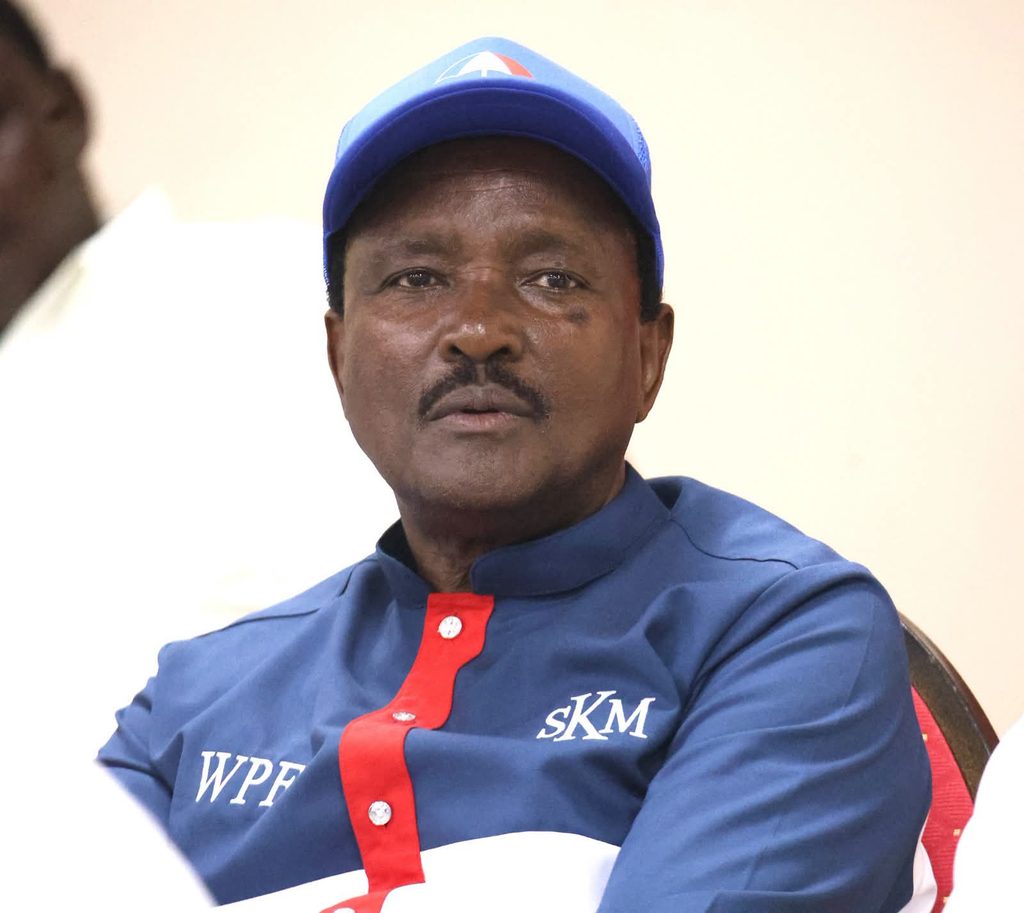
Kalonzo’s share revealed
Beyond ODM, Sakaja revealed that he also negotiated positions for individuals associated with Kalonzo Musyoka’s political formation.
He said his administration accommodated Wiper-linked figures through appointments to chief officer and director positions, explaining that Nairobi’s political circumstances required engagement with different parties.
“I need to work with Baba. I need to work with Kalonzo,” he said.
The governor linked the arrangement to the need to build cooperation with political leaders whose formations had considerable support in the capital.
He recalled explaining to President Ruto that his administration could not operate as though UDA had won an overwhelming mandate in Nairobi.
“Every decision I made with President William Ruto, I told him, now you’ve seen the situation we’re in, and you know why we got here. We split a lot of the votes. I need to work with Baba. I need to work with Kalonzo,” he said.
Sakaja did not identify the individuals appointed through the arrangement or establish how many positions went to ODM and Wiper respectively.

Kenya Kwanza mole claims
The governor said his decision to accommodate ODM officials while remaining in UDA triggered political friction within Kenya Kwanza.
According to Sakaja, some members of the ruling coalition viewed his dealings with opposition figures with suspicion, accusing him of secretly working for ODM.
“I got CECs who are the ministers in the county, who I got from ODM before those broad-based. I got them appointed. I got chief officers appointed. It brought such a big fight within Kenya Kwanza, and I was being fought, being called a mole,” he said.
Sakaja suggested that his eventual departure from UDA and decision to join ODM merely formalised a political relationship that had existed for years.
He recalled that supporters had repeatedly encouraged him to return to ODM, arguing that they had supported his political ambitions even when he belonged to another party.
“A lot of my supporters have kept telling me, you know, just come back, just come back home. We’ve supported you even from away,” he said.
He then addressed those who had questioned his loyalty during his time in UDA.
“So it was just confirming now. Now you know you call me a mole for four years. Okay, now then, I am here,” he remarked.
The 35-MCA problem
Sakaja attributed his decision to work with ODM and Kalonzo’s camp to the political arithmetic that emerged from the 2022 General Election.
He disclosed that UDA secured only 35 elected MCAs out of the 85 elected members of the Nairobi County Assembly, leaving his administration without an outright majority among elected representatives.
“Out of 85 MCAs, we got 35,” he said.
He also pointed to ODM’s strong performance in Nairobi, noting that the party had won the presidential vote in the county and secured several other elective positions.
According to Sakaja, the outcome meant that his administration had to build relationships with political formations beyond UDA to navigate the county’s political landscape.
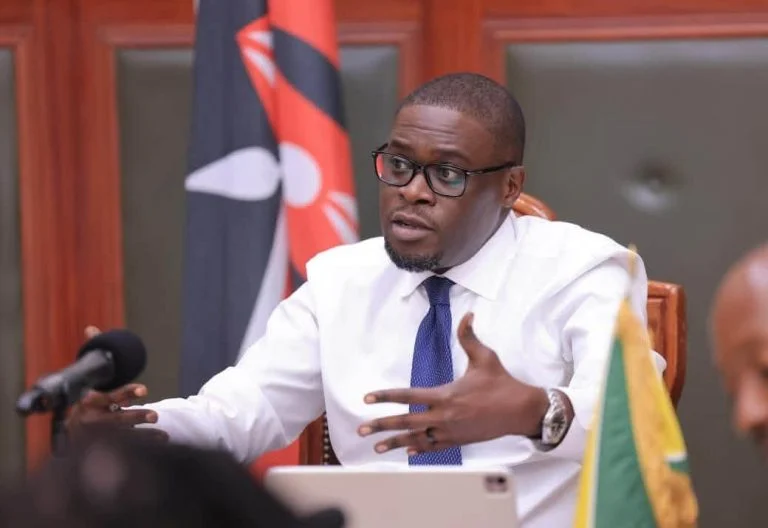
He said he had explained this position to Ruto, while also maintaining discussions with the late Raila Odinga about Nairobi’s political future.
Sakaja further claimed that Raila had encouraged him to place Nairobi’s political affairs within ODM, telling him that he would be safer in the party given the agenda he wanted to pursue.
“He told me, look, for Nairobi, I want it in your hands, and I think you’re safer within ODM because the things you’re trying to do,” Sakaja recalled.
The governor also described Raila as a father figure, saying their relationship extended beyond politics and dated back to before he became governor.
With his departure from UDA and entry into ODM, Sakaja’s account now offers a glimpse into how he says political cooperation with rival camps had already shaped his administration before the formal party switch.