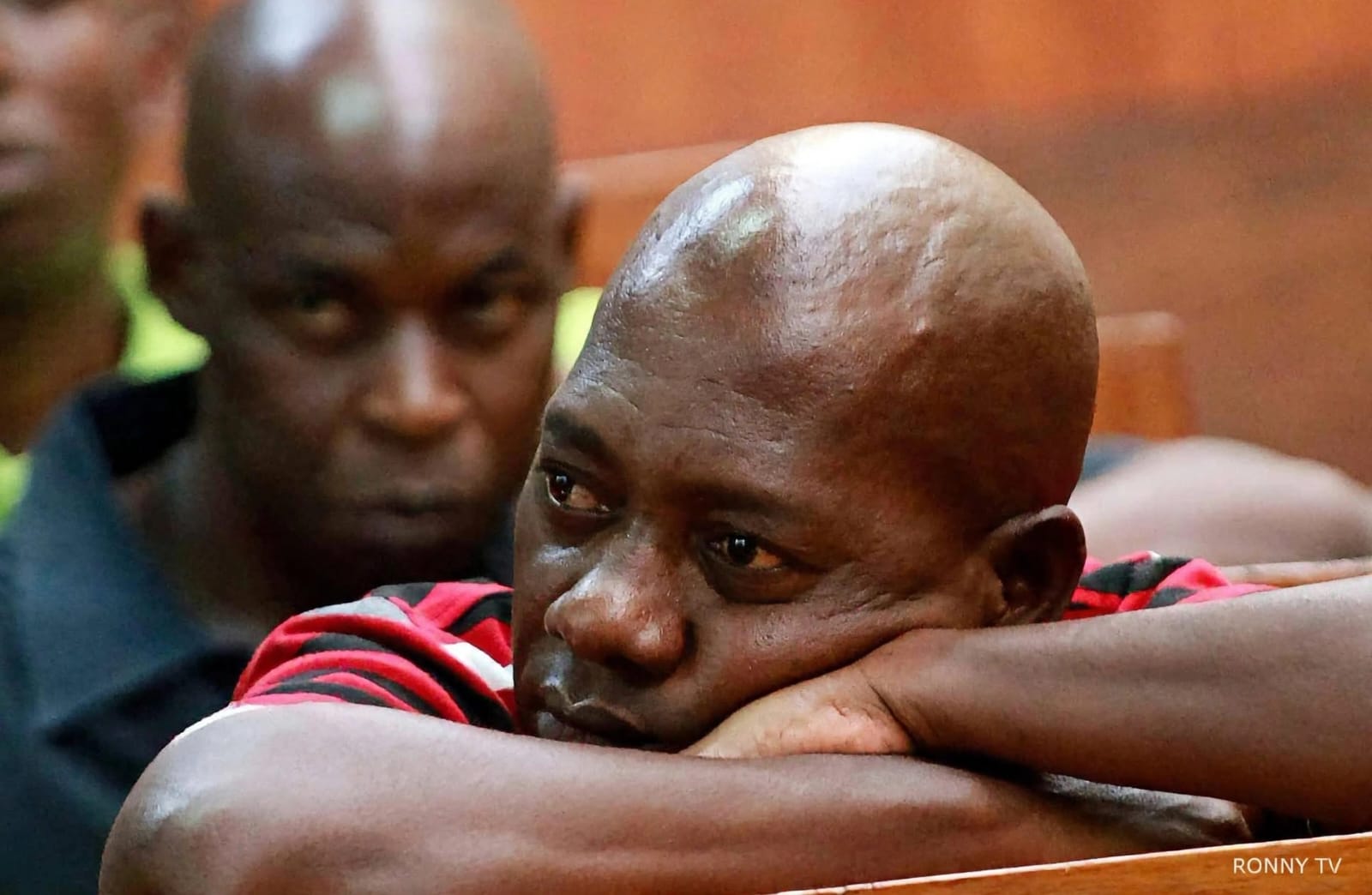
The conviction of controversial preacher Paul Nthenge Mackenzie for the murder of 191 people in the Shakahola massacre marks a major turning point in one of Kenya’s most disturbing criminal cases.
But with sentencing scheduled for November 6, 2026, the question now is how severely the court will punish the man whose teachings prosecutors linked to the deaths of 190 children and one adult.
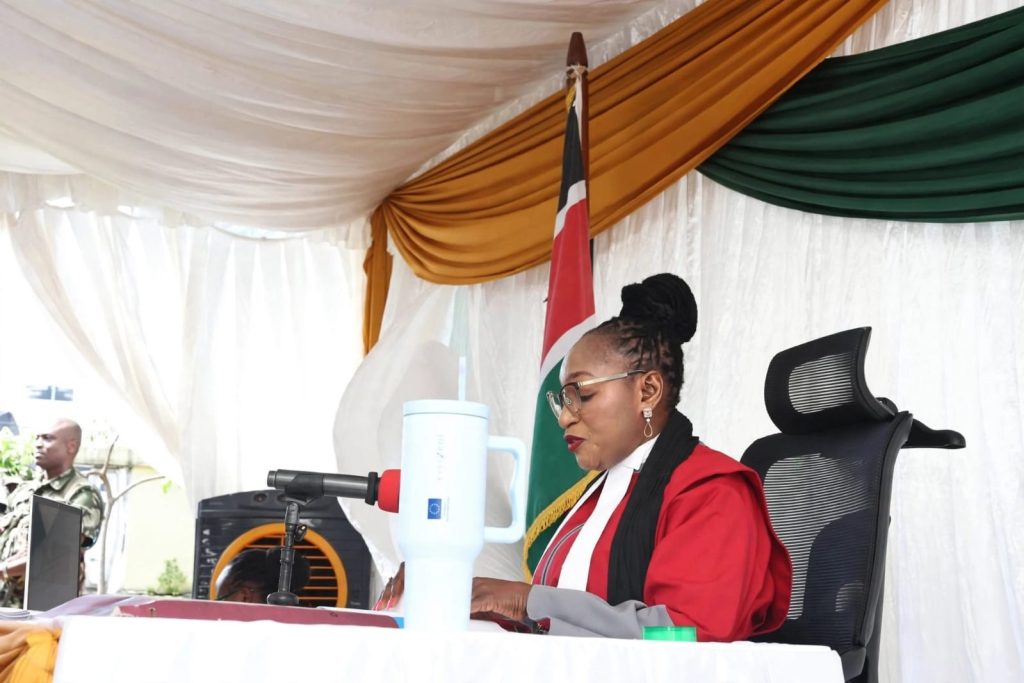
On Monday, October 19, the High Court in Mombasa convicted Mackenzie and 28 co-accused after Justice Diana Kavedza Mochache delivered a lengthy judgment detailing how followers of Good News International Church were instructed to starve themselves and their children to meet Jesus.
The verdict is significant because it moves the case beyond allegations and into the punishment phase. The court rejected the defence position that fasting was voluntary, finding that Mackenzie’s directives and the use of violence established criminal responsibility for the deaths.
What punishment could Paul Mackenzie face?
Mackenzie’s immediate legal hurdle is sentencing. Under Kenya’s Penal Code, murder carries the death penalty as the maximum punishment. However, the Supreme Court’s landmark Francis Karioko Muruatetu decision established that the death sentence cannot be imposed automatically in every murder case.
The sentencing court must consider the circumstances of the crime, the offender’s role, aggravating factors and mitigation before determining an appropriate punishment.
In Mackenzie’s case, the scale of the deaths, the vulnerability of the victims and evidence that children were allegedly forced to fast could weigh heavily against him. The prosecution’s case also placed him at the centre of the religious doctrine and the system through which followers were directed to their deaths.
The court will nevertheless have to follow the law and assess the circumstances of each convicted person. The verdict alone does not establish what sentence Mackenzie or his co-accused will receive.
A severe custodial sentence, potentially life imprisonment, is among the possible outcomes. The death penalty also remains legally available for murder, although it is not mandatory. The precise punishment will only become clear when the court delivers its sentencing decision.
Why the judge’s findings matter
The judgment provides a crucial explanation of how religious influence allegedly became a mechanism of control and violence inside Shakahola Forest in Kilifi County.
According to the court, Mackenzie’s teachings placed fasting at the centre of a promised journey to heaven. Children were expected to die first, followed by women and men, with Mackenzie and his family supposedly completing the process.
Justice Mochache recounted testimony describing children being denied food, beaten for attempting to eat and, in some cases, restrained for resisting the fasting directive. One account concerned a mother whose newborn died after she was allegedly instructed to fast rather than nurse the baby.
The judge also addressed the challenge posed by decomposed remains and inconclusive postmortem findings. She relied on witness testimony and circumstantial evidence to establish responsibility for deaths where pathology alone could not conclusively determine the cause.
That reasoning is central to the case: the prosecution did not rely exclusively on individual medical findings but presented a wider evidential picture linking the deaths to the alleged fasting regime.
The wider Shakahola investigation is far from over
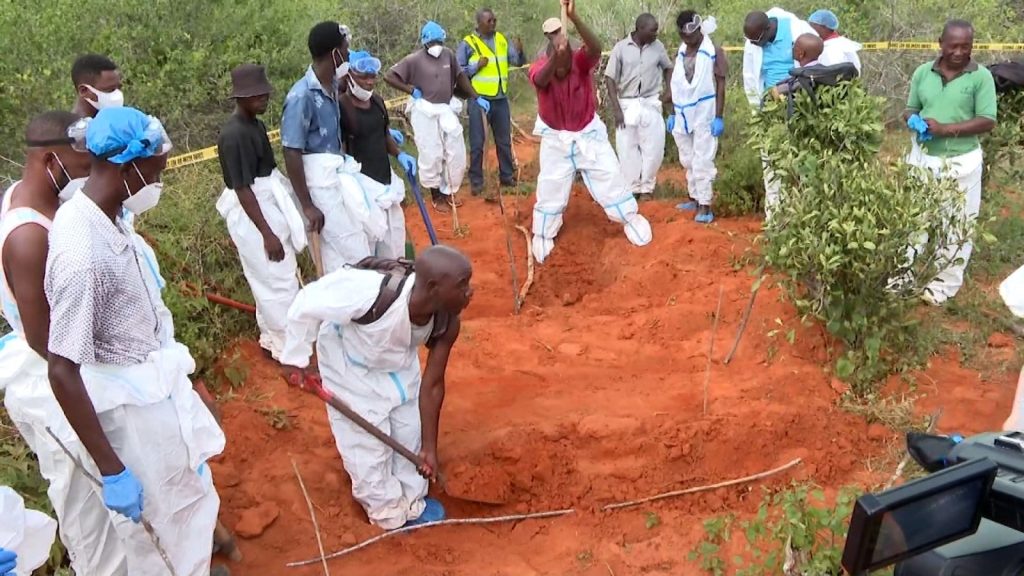
The 191 deaths covered by the murder judgment represent only part of the Shakahola tragedy. Authorities have recovered more than 400 bodies from shallow graves in the forest since 2023, while investigations and other prosecutions have continued.
Mackenzie also faces separate proceedings involving terrorism, radicalisation, manslaughter and offences related to children’s welfare and education. These cases must be distinguished from Monday’s murder conviction because each has its own charges, evidence and judicial process.
He has also faced new murder allegations connected to 52 deaths at Kwa Binzaro, another site in Kilifi County. Those allegations are separate from the 191-count Shakahola case and should not be treated as established guilt.
The overlapping cases could have significant consequences for Mackenzie’s future, particularly if further convictions follow. They also raise questions about how authorities monitor extremist religious teachings, protect vulnerable followers and intervene before harmful practices escalate.
A verdict, but not the end of the Shakahola case
For families who lost children and other relatives, the conviction is a major judicial milestone. Yet a guilty verdict cannot reverse the deaths, resolve every unanswered question or identify all the victims whose remains have yet to be named.
The November 6 sentencing will determine the immediate punishment for Mackenzie and his co-accused in the murder case. Subsequent proceedings, possible appeals and the continuing investigation will shape the longer legal aftermath.
Ultimately, the Shakahola massacre has exposed the devastating consequences that can arise when religious authority is used to override individual autonomy, deny children basic protection and encourage practices that endanger life.
For Mackenzie, the court has now established criminal responsibility for the 191 deaths. What remains is the sentence, and the broader question of accountability for one of Kenya’s deadliest cases of cult-linked mass deaths.