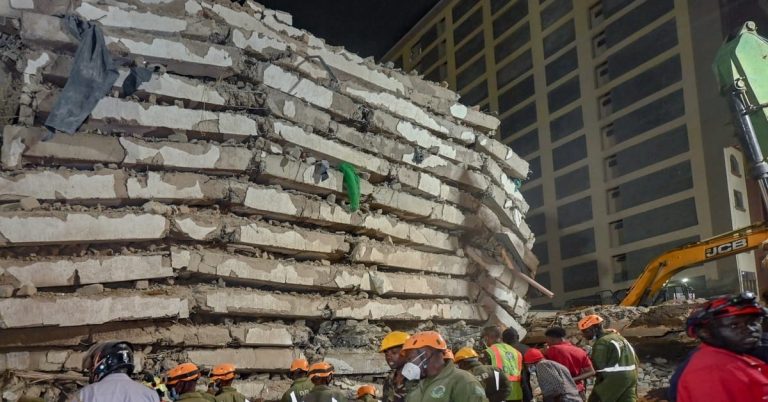
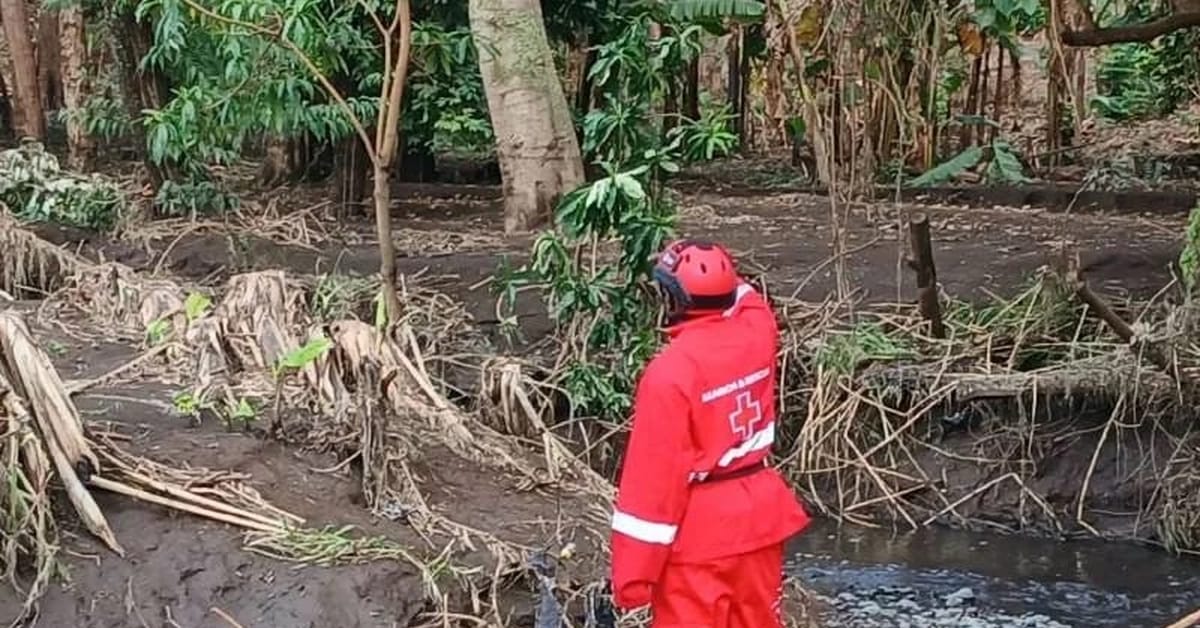
Heavy rains sweeping across Kenya have triggered widespread flash floods, disrupted transport networks and raised fears for communities living near swollen rivers, as emergency response teams race to rescue people caught up in rising floodwaters.
From Nairobi’s congested highways to flood-prone villages in Narok and Kajiado counties, the unfolding situation is exposing the growing dangers posed by intense rainfall, overwhelmed drainage systems and rivers bursting their banks.
The Kenya Red Cross Society (KRCS) is among the emergency agencies responding to incidents in affected areas, with search and rescue operations underway following reports of people swept away by fast-moving floodwaters.
The latest developments have intensified concerns over public safety as Kenya progresses through the October-December short-rains season, traditionally associated with increased rainfall and flooding in vulnerable regions.
Nairobi transport network paralysed by flash floods
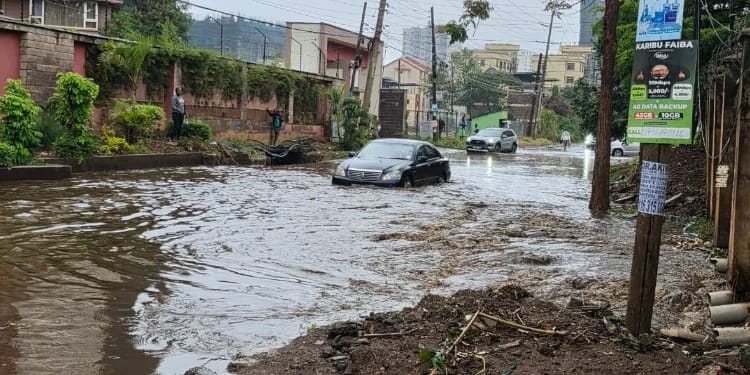
In Nairobi, heavy downpours have turned several busy roads into flood zones, leaving motorists stranded and disrupting daily business activities.
Githurai has emerged as one of the affected locations, with deep floodwaters reported around the main roundabout along Thika Road. Vehicles became trapped as water overwhelmed sections of the road, affecting commuters and nearby businesses.
In Parklands, sections of First Avenue near Oshwal School were submerged, making the road difficult to navigate and leaving motorists struggling to find alternative routes.
Other major transport corridors, including Uhuru Highway and Waiyaki Way, also experienced heavy runoff, with public service vehicles and private cars reportedly getting stuck in flooded sections.
The flooding has once again highlighted the vulnerability of Nairobi’s drainage infrastructure, particularly when intense rainfall overwhelms systems designed to channel stormwater away from roads and residential areas.
Search and rescue operations intensify in Narok and Kajiado
Beyond the capital, the humanitarian situation is particularly concerning in parts of the Rift Valley.
In Trans Mara, Narok County, heavy upstream rainfall caused the Mara River to burst its banks, resulting in dangerous flooding around communities and transport crossings.
A lorry was reportedly swept away at the flooded Mararianda Bridge, prompting search and rescue efforts for passengers feared missing.
Several households and livestock in villages, including Emburgutio, have also been affected by rising floodwaters.
In Kajiado South, rescue teams are responding to an incident in Baraka, Olkaria Village, where a resident was reportedly swept away while attempting to cross an overflowing river.
The incidents underline the deadly risks associated with crossing flooded bridges and rivers, even when the water may initially appear manageable.
Coastal and northeastern counties face growing flood risks
The flood threat is also extending to parts of Kenya’s coastal and northeastern regions.
In Tana River and Garissa counties, rising water levels along the Tana River have raised concerns for settlements located in low-lying areas and communities vulnerable to seasonal flooding.
Meanwhile, residents in Lamu and Kilifi remain exposed to the possibility of intense rainfall, thunderstorms and sudden flash floods.
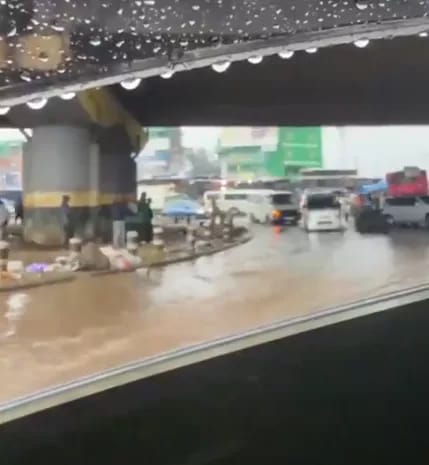
The Kenya Meteorological Department has warned of enhanced rainfall across several counties, raising the prospect of additional flooding and further disruptions.
Authorities warn Kenyans against risking their lives
As the situation develops, emergency agencies and authorities are urging residents to prioritise their safety and avoid unnecessary exposure to floodwaters.
The Kenya Red Cross Society’s rescue operations highlight the importance of timely emergency reporting and coordinated disaster response, particularly in communities where rising rivers can cut off access to safer areas.
Motorists have been advised against driving through flooded roads, while pedestrians are urged to avoid crossing swollen rivers, bridges and fast-flowing streams.
Residents living near riverbanks have also been encouraged to monitor water levels and move to safer locations when necessary.
Kenya’s flood preparedness under scrutiny
The latest flooding has renewed questions about the country’s preparedness for increasingly disruptive rainfall events, particularly in urban centres where drainage challenges can quickly translate into transport paralysis and economic losses.
For communities along major rivers, the immediate concern remains the threat to human life, homes and livelihoods.
With the October-December short-rains season still underway, the coming days will be critical as emergency teams continue responding to incidents and authorities monitor rainfall patterns.
Kenyans have been urged to follow official weather advisories and take flood warnings seriously as the country confronts another period of potentially dangerous rainfall.