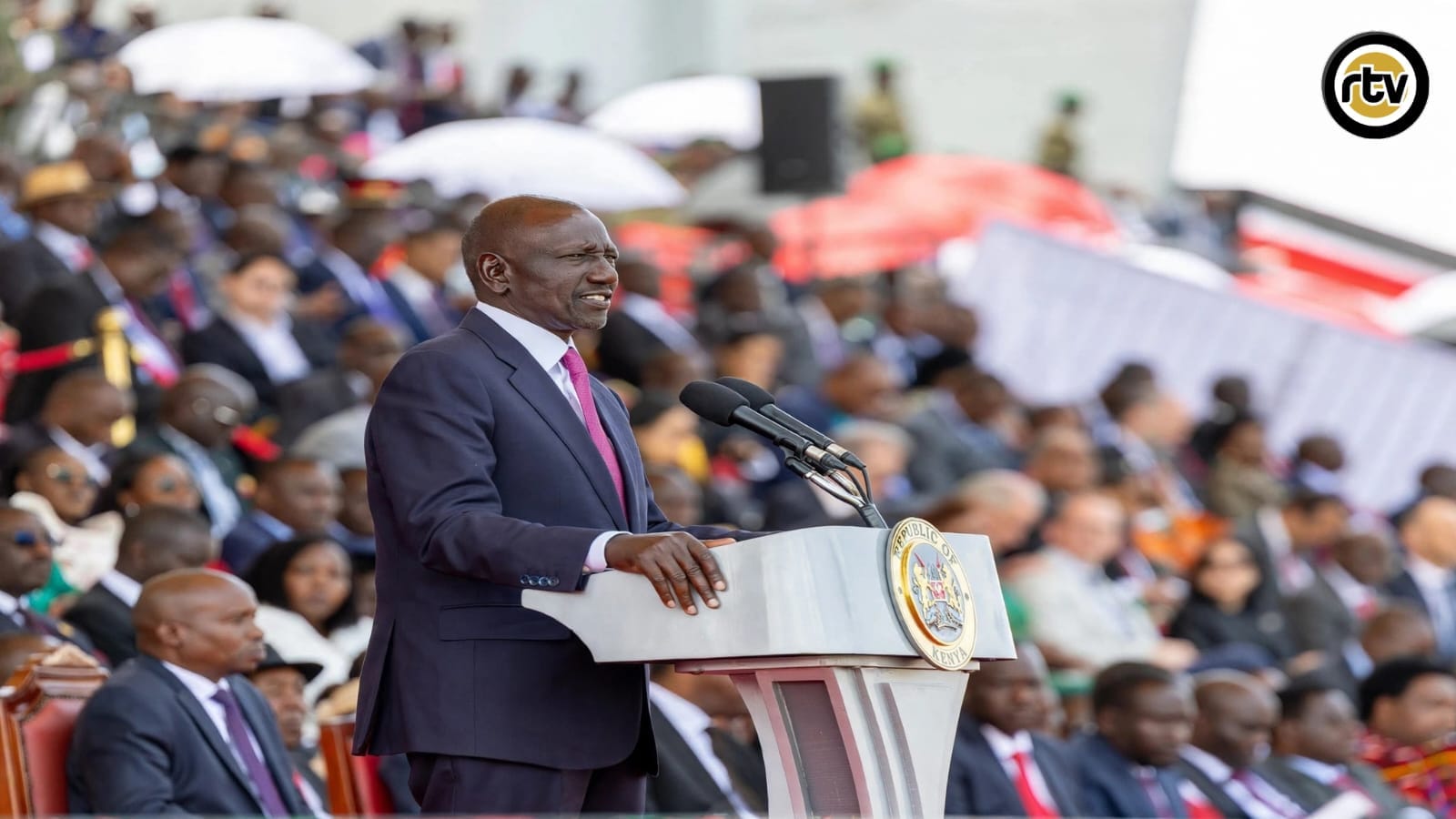
President William Ruto has acknowledged persistent frustration among young Kenyans over unemployment, taxation and the cost of living, confronting concerns that helped trigger the deadly 2024 anti-Finance Bill protests as his administration prepares for the 2027 General Election.
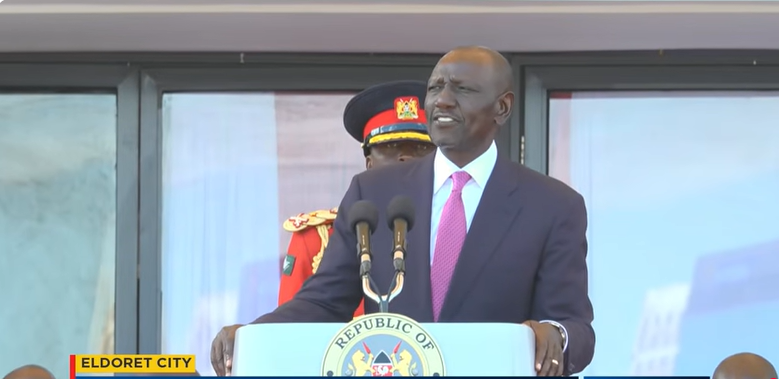
Speaking during the 63rd Mashujaa Day celebrations at Kipchoge Keino Stadium in Eldoret, Uasin Gishu County, on Tuesday, October 20, 2026, Ruto said the grievances raised by young people should compel the government to listen, respond and account for its decisions.
The President’s remarks placed youth dissatisfaction at the centre of his national address, two years after widespread demonstrations against the Finance Bill 2024 forced his administration to withdraw the proposed legislation.
“Kenyans, particularly young people, have taken to the streets to express frustration over the cost of living, taxation, unemployment and the pace of change,” Ruto said.
He acknowledged that winning an election did not exempt the government from public scrutiny between elections.
“Their protests remind us that an electoral mandate does not silence the people between elections. Citizens retain the right to question their government, challenge its decisions and demand better. We must listen, respond and remain answerable for the commitments we make,” he added.
The acknowledgement comes as the administration continues to defend its economic policies while seeking to demonstrate that its development programmes can deliver meaningful improvements in employment and household livelihoods.
Ruto’s jobs agenda faces scrutiny
Youth employment emerged as one of the central issues in the President’s address, with Ruto outlining plans to expand opportunities through digital work, overseas employment, affordable housing and internships.
He defended apprenticeship programmes intended to help young people overcome a longstanding barrier to entering the labour market: employers’ demands for experience from applicants seeking their first jobs.
“Many young people cannot get employment without experience, yet they cannot get experience without employment,” Ruto said.
The statement highlighted the challenge facing young jobseekers who struggle to translate their education and qualifications into paid work.
The President said his administration would continue pursuing initiatives intended to widen access to employment and help young people transition from education into the workplace.
However, the key test for these programmes will be whether they generate accessible, sustainable jobs and improve incomes for young Kenyans facing economic pressure.
Affordable housing takes centre stage
Ruto also defended the government’s affordable housing programme, presenting it as a source of employment extending beyond the construction industry.
The President claimed the initiative had created more than 1.1 million jobs in construction and related sectors, including opportunities linked to manufacturing, transport and the supply of building materials.
He has repeatedly argued that housing projects can stimulate economic activity across multiple industries while addressing the country’s housing needs.
Ruto has also challenged opposition leaders to propose alternatives that can generate jobs and improve livelihoods rather than simply criticising the programme.
The 1.1 million jobs figure, however, remains a presidential claim in the account of the speech and requires supporting data to establish how the jobs are measured, how many are sustained and how many young Kenyans have benefited.
Those distinctions are important in assessing whether the programme is delivering the scale of employment the government attributes to it.
2024 protests remain a defining moment
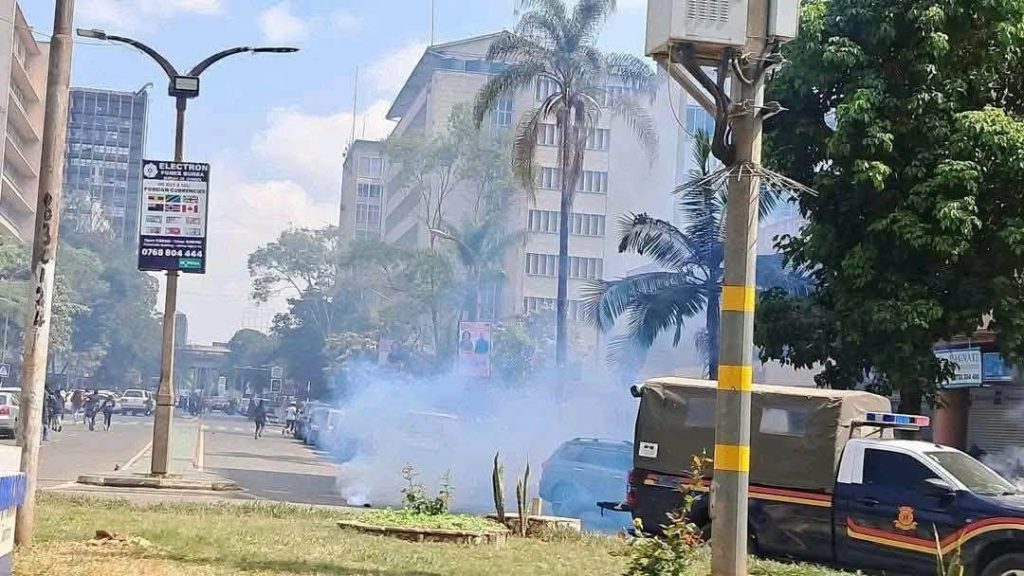
The President’s remarks on accountability carry particular weight against the backdrop of the June and July 2024 protests, when thousands of Kenyans, many of them young people, demonstrated against tax proposals contained in the Finance Bill 2024.
The demonstrations escalated into a major political crisis, with dozens of people killed during the unrest. Ruto subsequently withdrew the Bill following mounting public pressure.
The protests brought taxation, the cost of living, employment prospects and demands for greater government accountability into sharp national focus.
By explicitly recognising citizens’ right to challenge government decisions between elections, Ruto acknowledged the importance of public scrutiny beyond the ballot box.
His statement did not, by itself, establish that the economic grievances raised during the protests had been resolved. Instead, it placed responsibility on the administration to demonstrate how its policies are responding to those concerns.
Economic performance set to shape 2027 debate
Ruto also called for the 2027 political contest to focus on leaders’ records, policy proposals and development plans rather than ethnic mobilisation or personal attacks.
The appeal places economic performance among the issues likely to feature prominently in the election debate, particularly as young voters assess the government’s record on jobs, taxation and living standards.
For the administration, the challenge is to translate its employment promises and development projects into measurable outcomes that households can feel.
For young Kenyans, the central questions concern access to decent work, the affordability of everyday necessities and whether economic opportunities are expanding quickly enough to meet their needs.
Ruto’s Mashujaa Day address acknowledged the frustration surrounding those issues while defending his government’s response.
As the country moves towards the 2027 General Election, the gap between promised opportunities and demonstrable results could become an important measure of public confidence in his administration.