
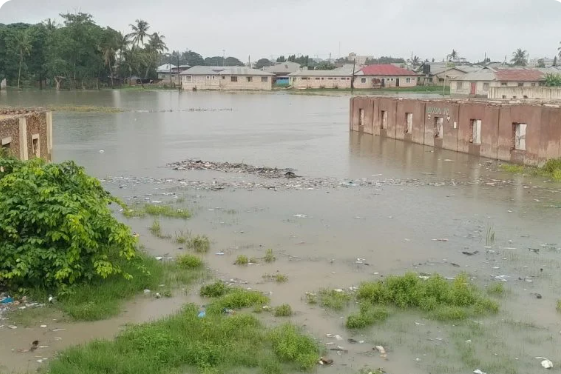
Kenya has announced a Ksh2.1 billion preparedness plan to protect livestock farmers and pastoral communities from flooding, disease outbreaks and other risks associated with possible El Niño-related weather disruptions.
Agriculture and Livestock Development Cabinet Secretary Mutahi Kagwe launched the National Livestock Sector El Niño Preparedness and Anticipatory Action Plan in Isiolo County, saying the government wants to act before extreme weather causes livestock losses.
The plan targets 24 counties identified by the government as flood-prone or having large livestock populations. The government says additional counties could be included as weather advisories change.
The announcement comes as Kenya prepares for potential El Niño-related impacts on agriculture and water resources. Reuters reported on Thursday that Kenya is seeking access to about $400 million in emergency World Bank financing to help address several risks, including possible disruption from El Niño.
Kagwe said previous extreme weather events had shown the cost of responding after disasters had already occurred.
“The 2023 El Niño and the 2024 long rains floods caused devastating losses to our livestock farmers, destroyed critical infrastructure and triggered disease outbreaks that set back the sector significantly.”
“We therefore need to learn from our experiences and this is the reason we are determined to ensure that our farmers and pastoralists are not caught unprepared,” he said.
According to the government, Ksh1.5 billion of the proposed Ksh2.1 billion package will go towards vaccines, veterinary medicines, laboratory reagents, personal protective equipment, mobile veterinary clinics and emergency response kits.
The allocation is intended to allow veterinary authorities to pre-position supplies and respond more quickly to disease outbreaks during periods of flooding.
The government has identified Rift Valley fever among the climate-sensitive diseases of concern, saying flooding and increased vector activity can heighten disease risks.
Another Ksh250 million is earmarked for protecting livestock infrastructure, including cattle dips, livestock markets, slaughterhouses, milk-cooling facilities, veterinary laboratories and feed stores.
The plan also provides Ksh100 million for livestock evacuation, welfare and logistics. A further Ksh50 million is intended for strategic feed and fodder reserves, rehabilitation of water points and emergency water supplies.
The government says Ksh100 million will support early-warning systems, climate-risk mapping, emergency communication networks and inter-agency coordination.
Another Ksh100 million will be used for farmer awareness campaigns, biosecurity promotion, livestock insurance sensitisation, commercial offtake operations and contingency planning.
Kagwe said the plan was intended to protect livelihoods as well as animals.
“Livestock is the primary livelihood asset for millions of Kenyan households, particularly in our arid and semi-arid regions.”
“Protecting that asset during an extreme weather event is a matter of food security, economic stability, and national resilience,” he said.

The 24 counties named in the plan are Garissa, Tana River, Lamu, Kilifi, Isiolo, Wajir, Mandera, Marsabit, Turkana, Samburu, Narok, Kajiado, Baringo, West Pokot, Busia, Kisumu, Siaya, Migori, Homa Bay, Kitui, Makueni, Machakos, Meru and Embu.
The plan will be implemented under a One Health framework, according to the government. The approach brings together human, animal and environmental health surveillance, particularly around diseases that can move between animals and people.
The government’s strategy represents a shift towards anticipatory action: preparing veterinary supplies, evacuation arrangements, fodder and water resources before an emergency rather than relying mainly on post-disaster intervention.
Kenya has experienced severe flooding during recent periods of heavy rainfall. The country was hit by widespread floods in 2024, with Reuters reporting that the disaster killed more than 180 people by early May and damaged homes and infrastructure.
The new livestock plan therefore faces a practical test: whether resources can be deployed quickly enough to reach pastoralists and farmers before flooding disrupts transport, damages livestock facilities and increases disease risks.
The government says implementation will be guided by updated weather advisories, meaning the number of counties covered could change as the forecast develops.
For now, the Ksh2.1 billion figure and the detailed allocations are government-announced commitments; their implementation, funding arrangements and delivery timetable will need to be tracked as the preparedness programme moves from launch to execution.