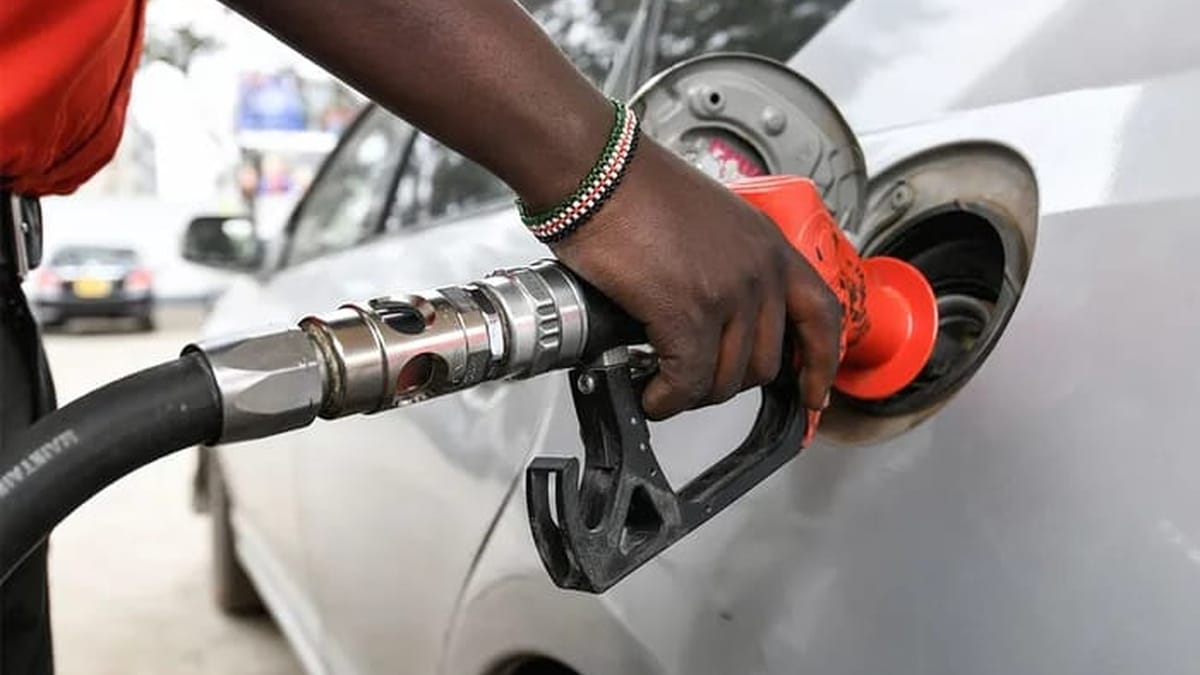
Kenyan motorists and households will pay more for fuel from Thursday, October 15, after the Energy and Petroleum Regulatory Authority (EPRA) increased the price of super petrol by KSh12.93 per litre, diesel by KSh9.90 and kerosene by KSh28.49 in its October 2026 review.
The increases mark a reversal from the September–October pricing cycle, when EPRA retained pump prices unchanged despite rising import costs for diesel and kerosene.
In Nairobi, where super petrol previously retailed at KSh214.03 per litre, the new increase takes the maximum price to KSh226.96. Diesel rises from KSh217.86 to KSh227.76, while kerosene increases from KSh191.38 to KSh219.87 per litre.
The new prices will remain in force until November 14, 2026.
EPRA Director General Edward Mwirigi Kinyua said September had been the worst month since the Middle East crisis began, pointing to the pressure the conflict has placed on petroleum costs.
The latest review comes as disruptions in the Middle East continue to raise concerns about oil supplies, shipping costs and the price of importing petroleum products.
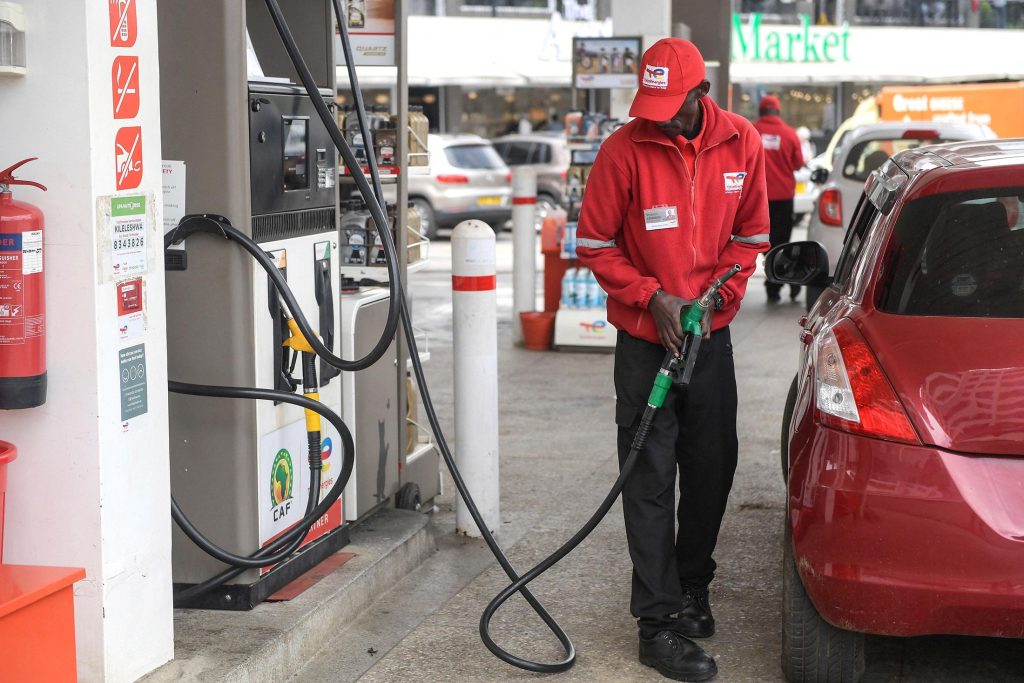
Why fuel prices have jumped in October
The increase reflects the rising cost of bringing petroleum products into Kenya, with international market prices and import-related expenses feeding into the local pricing formula.
Kenya imports refined petroleum products, making domestic pump prices sensitive to the cost of fuel in international markets. EPRA’s pricing framework considers landed costs alongside other expenses, including storage, transportation, wholesale and retail margins, and applicable taxes.
The government has linked the latest pressure on fuel prices to disruptions in the Middle East. These have affected the movement of petroleum cargoes and increased shipping and insurance costs, pushing up the cost of imported fuel even as Kenya continues to receive supplies.
The impact has been visible in the landed cost of petroleum products at the Port of Mombasa. According to figures published by The Kenya Times in its October 14 fuel-price review, the landed cost of super petrol rose from approximately KSh155,378 per tonne in August to KSh179,516 in September. Diesel increased from about KSh155,508 to KSh170,167 per tonne over the same period.
These increases help explain why motorists are now facing higher pump prices after a month of unchanged rates.
Why kerosene has recorded the biggest increase
Kerosene has recorded the largest per-litre increase in the October review, rising by KSh28.49, compared with KSh12.93 for super petrol and KSh9.90 for diesel.
The difference matters because kerosene remains an important household fuel for some families, particularly those who use it for cooking and lighting. A sharp increase can therefore put additional pressure on household budgets, especially where incomes are limited and alternatives are expensive or unavailable.
The size of each adjustment depends on the cost components used to calculate the maximum retail price of the particular petroleum product. The increases should not be assumed to be identical because petrol, diesel and kerosene have different import costs and pricing calculations.
EPRA’s formula incorporates the landed cost of imported products as well as other approved costs, transport expenses, margins and taxes. This means changes in international supply conditions can affect each product differently.
How the October fuel increase could deepen cost-of-living pressure
The effect of the October review extends beyond the amount motorists pay at petrol stations.
Diesel is widely used in public transport, freight, agriculture and commercial operations. Higher diesel prices can increase operating costs for matatus, buses, trucks and businesses that transport food and other goods across the country.
Transport operators may face pressure to adjust fares, although any actual fare changes will depend on their operating costs and decisions. Businesses may also face higher distribution expenses, which can contribute to price increases for consumers if the additional costs are passed on.
For households that use kerosene, the KSh28.49 increase means a greater cost of buying the same quantity of fuel. For motorists, the petrol adjustment raises the cost of filling a vehicle, adding pressure to budgets already covering food, rent, electricity and other essential expenses.
The increases do not automatically mean that fares or food prices will rise by a fixed amount. However, fuel is an input in transporting goods and delivering services, so sustained increases can put pressure on prices across the economy.
The central concern is how long the international cost pressure will persist. If the Middle East crisis continues to disrupt petroleum supplies and raise shipping expenses, Kenya could remain exposed to further import-cost pressures. If those costs ease, the pressure on subsequent fuel-price reviews could also reduce.
For now, the October review means higher fuel costs for motorists and households from October 15, with kerosene users facing the largest increase per litre.