Kenya has not recorded any new Ebola case five days after confirming its first imported case of the disease, with the government saying all 122 contacts linked to the patient have been identified and are under monitoring.
In an update issued on Sunday, October 11, 2026, the Ministry of Health said 108 contacts, representing 88.5 per cent of those listed, had been placed under quarantine and were being monitored daily, with none developing symptoms so far.
The government said tracing of the remaining contacts was ongoing as health officials worked with local and international partners to prevent possible transmission.
The first case involved a Kenyan citizen who had travelled from the Democratic Republic of Congo through Uganda before arriving in Kenya. The patient later died on October 5 and was given a safe and dignified burial on October 6 in line with public health protocols.
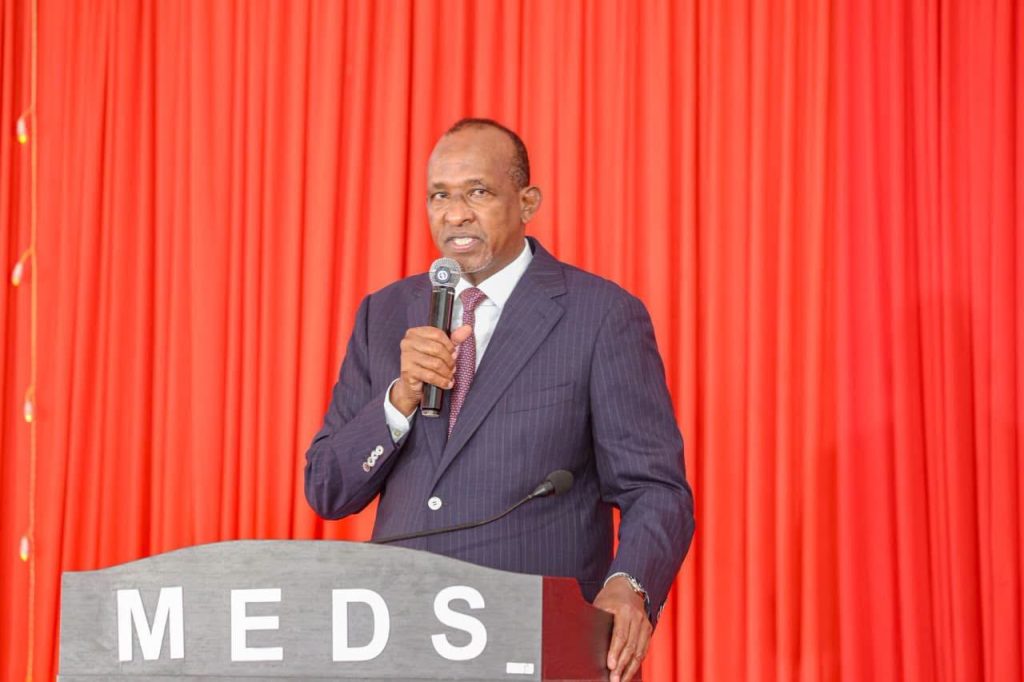
“Five days ago, on 6th October 2026 Kenya confirmed its first imported case of Ebola Disease (Bundibugyo Virus Disease). No new case has been recorded since then,” the Ministry said in a statement signed by Health Cabinet Secretary Aden Duale.

Kenya intensifies surveillance as Ebola response expands
The government said it had tested 293 samples from 289 alerts, with only the confirmed patient testing positive.
Kenya has also screened 667,675 travellers across 26 points of entry as part of measures to detect possible cases and prevent further spread.
The Ministry said the National Taskforce, National Public Health Emergency Operations Centre and National Incident Management System remained active, while rapid response teams were on standby around the clock.
Five designated laboratories, including two mobile laboratories located at the Lwakhaha and Busia border points, are currently involved in Ebola testing. The Ministry said confirmed results can be available within six to 12 hours.
The country has also increased treatment preparedness, with 241 isolation beds available across five designated hospitals in Nairobi, Eldoret and Mombasa, including intensive care capacity at Moi Teaching and Referral Hospital.
Govt urges calm as Kenya rules out lockdown
The Ministry of Health has urged Kenyans to remain calm but vigilant, saying there are no restrictions on travel, trade, transport or public gatherings.
The government said Kenya remains open to visitors, investors and partners, with enhanced screening at airports, seaports and border crossings.
Health officials have continued to emphasise that Ebola does not spread through the air but through direct contact with blood or body fluids of an infected person or someone who has died from the disease.
The Ministry asked members of the public to rely on official updates and avoid spreading misinformation that could create unnecessary panic.
“Anyone with symptoms, or anyone concerned about possible exposure, should seek medical care promptly at the nearest health facility,” the Ministry said.

The latest update comes amid heightened public attention following questions over Kenya’s preparedness, including the availability of specialised isolation facilities and support from international partners.
For information and guidance, the Ministry of Health has provided toll-free line 719 for members of the public seeking assistance.