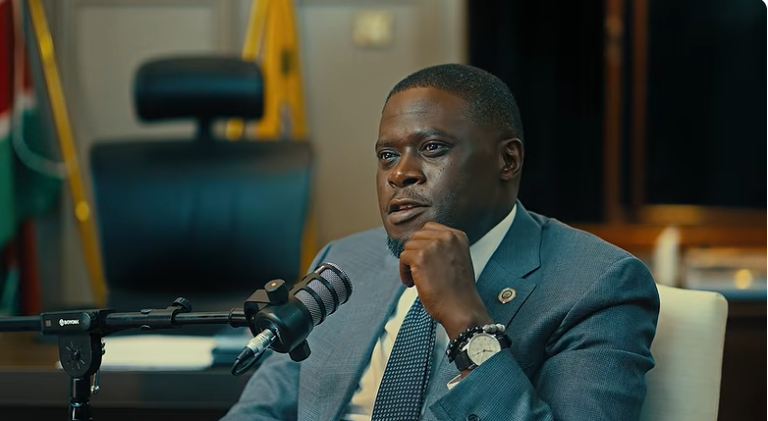
Nairobi Governor Johnson Sakaja’s decision to seek re-election on an Orange Democratic Movement (ODM) ticket has opened a new political battle within the party, raising questions about internal democracy, political succession and the price ODM could pay for its emerging partnership with President William Ruto.
Beyond the governor’s political realignment, the development exposes a growing dilemma for ODM: should the party accommodate influential politicians from outside its traditional structures to strengthen its national electoral ambitions, or protect leaders who have spent years building the party from the grassroots?
The debate has gained momentum as ODM and Ruto’s United Democratic Alliance (UDA) negotiate a possible pre-election coalition ahead of the August 2027 General Election.
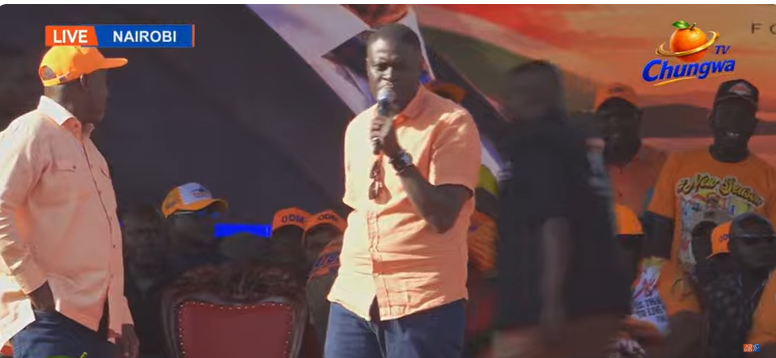
Sakaja has declared his intention to defend Nairobi’s gubernatorial seat on an ODM ticket while maintaining support for Ruto’s broad-based government.
His political repositioning comes at a particularly sensitive moment, as the two parties negotiate presidential support, parliamentary representation, government positions, and the possibility of coordinating candidates in different regions.
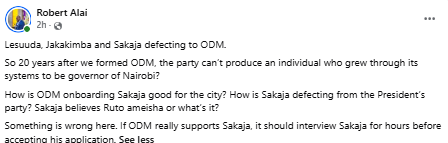
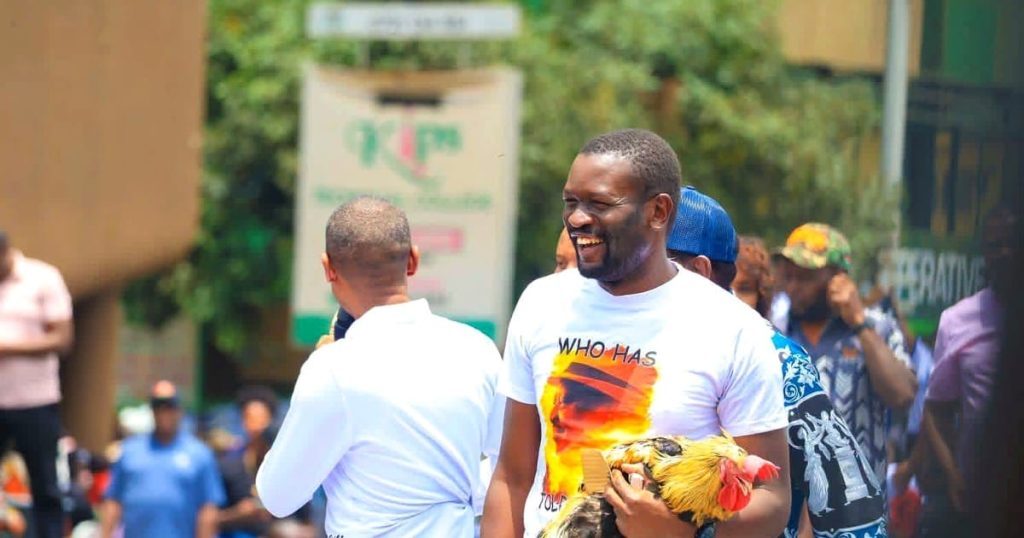
However, his proposed entry into ODM has already attracted resistance from some party members, including Kileleshwa MCA Robert Alai, who believes the party should interrogate the governor’s political intentions before accepting him.
ODM’s internal fault line
Alai’s criticism has brought into the open a question that could become increasingly difficult for ODM’s leadership to manage: what happens to politicians who have built their careers within the party when influential newcomers arrive seeking its most prestigious elective positions?
In a Facebook post on Monday, November 2, Alai questioned why, after two decades, ODM could not produce a Nairobi governor from its own political structures.
“So 20 years after we formed ODM, the party can’t produce an individual who grew through its systems to be governor of Nairobi?” he asked.
He also questioned the benefit of admitting Sakaja, asking whether the governor was abandoning Ruto’s political camp and whether his entry would serve Nairobi residents.
Alai’s most pointed demand was that ODM should subject Sakaja to extensive scrutiny before accepting his application.
“If ODM really supports Sakaja, it should interview Sakaja for hours before accepting his application,” he wrote.
His intervention reflects a wider disagreement over whether ODM’s recruitment strategy risks sidelining politicians who have invested years in building the party.
The issue is not simply about Sakaja’s eligibility to join ODM. It is about political ownership, loyalty and whether established party structures will retain influence over nominations.
The concerns are not new.
On September 26, 2026, Nairobi ODM delegates met in Makadara and endorsed George Aladwa for the gubernatorial contest, warning against allowing an outsider to obtain the party’s ticket without competitive nominations.
Aladwa subsequently described himself as the party’s sole gubernatorial candidate.
The resistance creates a potentially difficult situation for ODM leader Oburu Oginga, who must balance the party’s national coalition ambitions against the interests of its Nairobi membership.
There is also a wider succession question following the death of Raila Odinga. The party is negotiating its future identity while different factions disagree over how closely it should align itself with Ruto.
On November 2, conflicting interests among ODM leaders, recruitment by UDA in traditional ODM strongholds and disagreements over the proposed coalition were threatening the party’s bargaining position.
Oburu himself has warned against internal divisions, asking members to speak with one voice and avoid political pronouncements that weaken collective negotiations.
The danger is that bringing in prominent politicians could expand ODM’s electoral reach while simultaneously alienating the people responsible for maintaining its grassroots structures.
Nairobi’s political test
For Nairobi residents, the debate should extend beyond which party will sponsor Sakaja’s re-election campaign.
The more important question is what his proposed entry into ODM means for the city’s governance and political accountability.
Alai’s question about the benefit to Nairobi deserves serious consideration.
A change of party does not automatically translate into improved service delivery, better urban planning, more reliable waste management, improved roads or solutions to Nairobi’s housing and transport challenges.
ODM must therefore consider Sakaja’s record in office, his policy commitments and his plans for the city before deciding whether to make him its gubernatorial flagbearer.
The governor’s political relationship with Ruto also raises an important question about the proposed coalition.
If Sakaja continues supporting Ruto’s re-election while seeking an ODM ticket, the arrangement could demonstrate how the two parties intend to accommodate politicians with different party affiliations under one broader political agreement.
However, this could also create complications during nominations.
ODM’s Nairobi membership may want its own candidate, while UDA could prefer to retain influence over the county government currently led by one of its elected governors.
The situation becomes even more complicated considering ODM’s public declarations at Jacaranda Grounds on October 31.
Homa Bay Governor Gladys Wanga said ODM intended to field candidates for Nairobi’s elective positions, including governor, senator, woman representative, MPs and MCAs.
That declaration suggests the party wants more than a presidential coalition. It wants a substantial electoral presence in the capital.
Sakaja’s entry could advance that objective, but only if ODM members accept the arrangement and the nomination process remains credible.
Polls expose limits
The proposed UDA-ODM partnership is also taking shape against a divided public opinion environment.
TIFA Research’s June 2026 national survey found that 52 per cent of Kenyans opposed the broad-based government, compared with 30 per cent who supported it.
The survey involved 2,048 adults interviewed between June 13 and 22 across all 47 counties, with a margin of error of approximately 2.18 percentage points.
Infotrak’s Voice of the People survey, conducted between June 22 and 26 among 3,000 adults, offered a similarly divided picture.
It found that 37 per cent opposed the broad-based government, 33 per cent supported it and 27 per cent were neutral.
Infotrak also placed UDA’s national party preference at 22 per cent and ODM at 21 per cent, with 29 per cent of respondents identifying with no political party.
The two surveys should not be combined into one measurement because they were independently conducted and used different samples and methodologies.
Nevertheless, both illustrate the challenge facing the proposed coalition: political agreements among leaders do not automatically translate into public acceptance.
Infotrak’s regional findings are particularly relevant to Sakaja’s ambitions.
In Nairobi, 50 per cent of respondents opposed the broad-based government, compared with 24 per cent who supported it.
That presents a complicated political environment for a governor seeking an ODM ticket while maintaining his relationship with Ruto’s administration.
The findings also raise questions about whether the proposed coalition can persuade voters that its primary objective is delivering better governance rather than distributing political positions among competing elites.
More defections ahead?
Sakaja’s political repositioning could encourage other politicians to reconsider their party affiliations as the 2027 election approaches.
However, a mass exodus from UDA is not inevitable.
The proposed coalition creates incentives for politicians to seek tickets from whichever party offers them a viable route to elective office while maintaining access to the national government.
For ODM, attracting governors, MPs and influential political figures could expand its national footprint. But excessive accommodation could create resentment among existing members who expect loyalty and years of party participation to count during nominations.
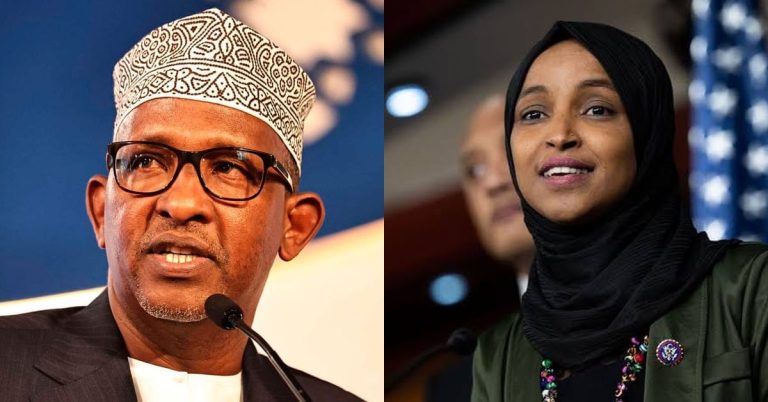
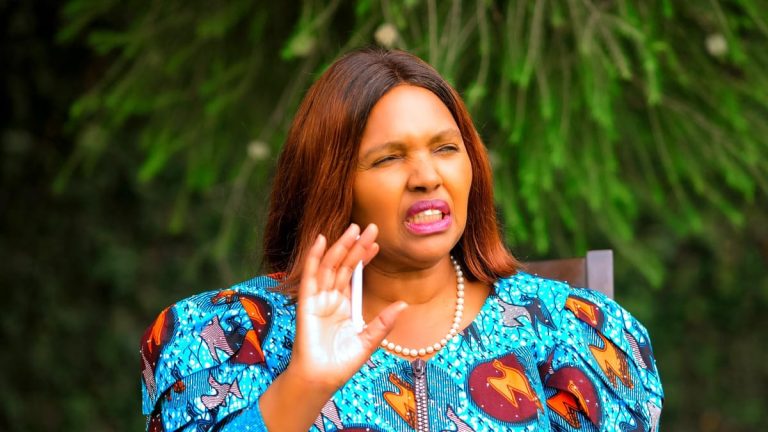
The controversy also brings into focus other political figures mentioned in discussions about party realignments, including Samburu West MP Naisula Lesuuda and former Raila Odinga aide Silas Jakakimba.
Their political positions, however, must be distinguished. Lesuuda declared support for Ruto in September, while Jakakimba formally joined UDA in March 2024 after leaving ODM. Neither development independently establishes a subsequent ODM defection.
The possibility of further movements will depend largely on the final UDA-ODM coalition agreement, the distribution of elective positions and whether the parties agree on zoning or allow competitive nominations.

The coalition negotiations are already exposing differences within ODM.
While some leaders are pushing for a written agreement with UDA to protect the party’s interests, others favour unconditional support for Ruto.
Oburu’s insistence on party unity reflects the difficulty of reconciling these competing positions.
The central question is whether ODM can accommodate newcomers without undermining the political structures that made it an influential national party.
Sakaja’s proposed entry has therefore become more than a Nairobi gubernatorial story. It is a test of ODM’s identity, the strength of its grassroots democracy and the terms on which it intends to cooperate with Ruto in 2027.
Whether more politicians follow him could depend on how the party resolves its first major test: balancing coalition ambitions with the expectations of its own members.