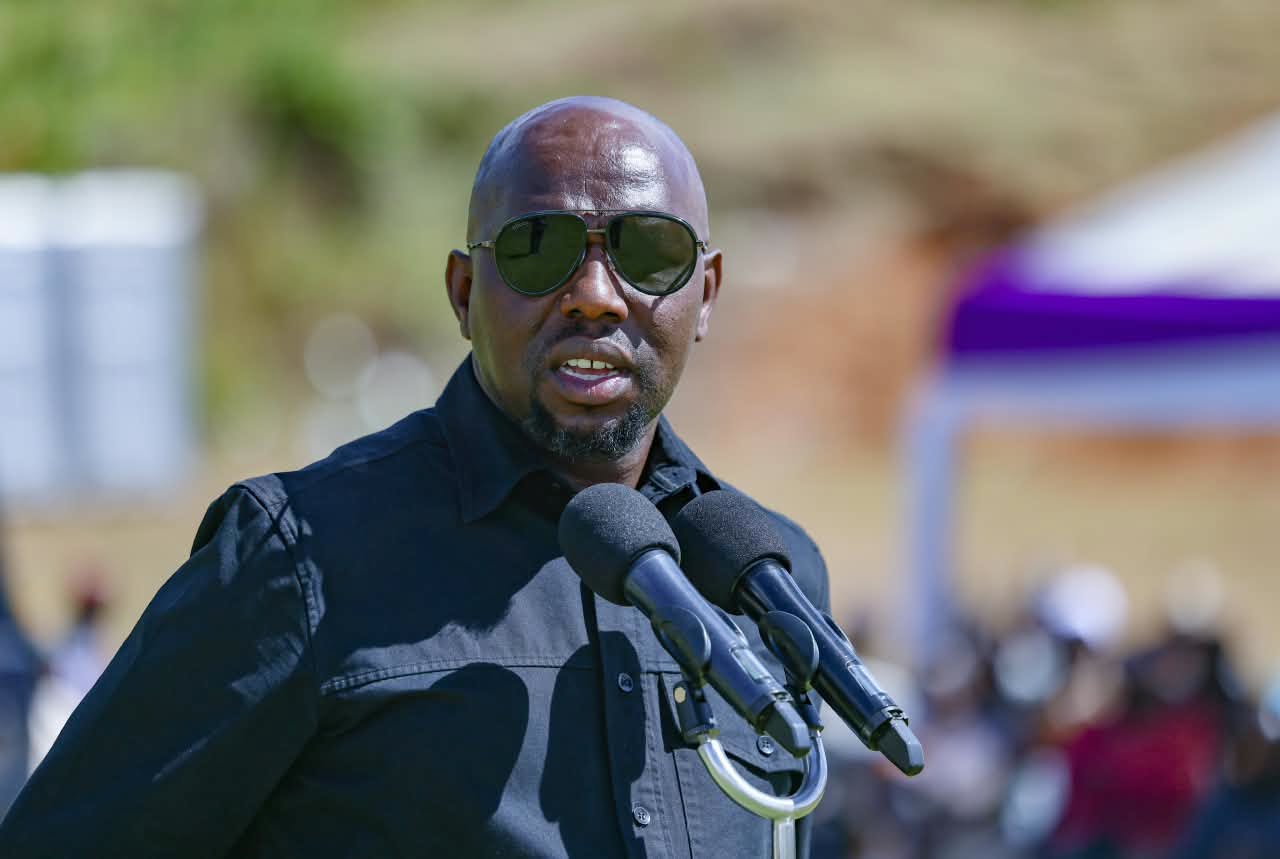
Interior Cabinet Secretary Kipchumba Murkomen has rejected claims of a parallel command structure within Kenya’s National Police Service, defending Inspector-General of Police Douglas Kanja as the constitutionally mandated head of the country’s police.
Murkomen said on Friday that Kanja retains operational command of the National Police Service and has authority over key functions including investigations, promotions and deployment of officers.
He dismissed claims that some police units operate outside the Inspector-General’s command as “false propaganda”.
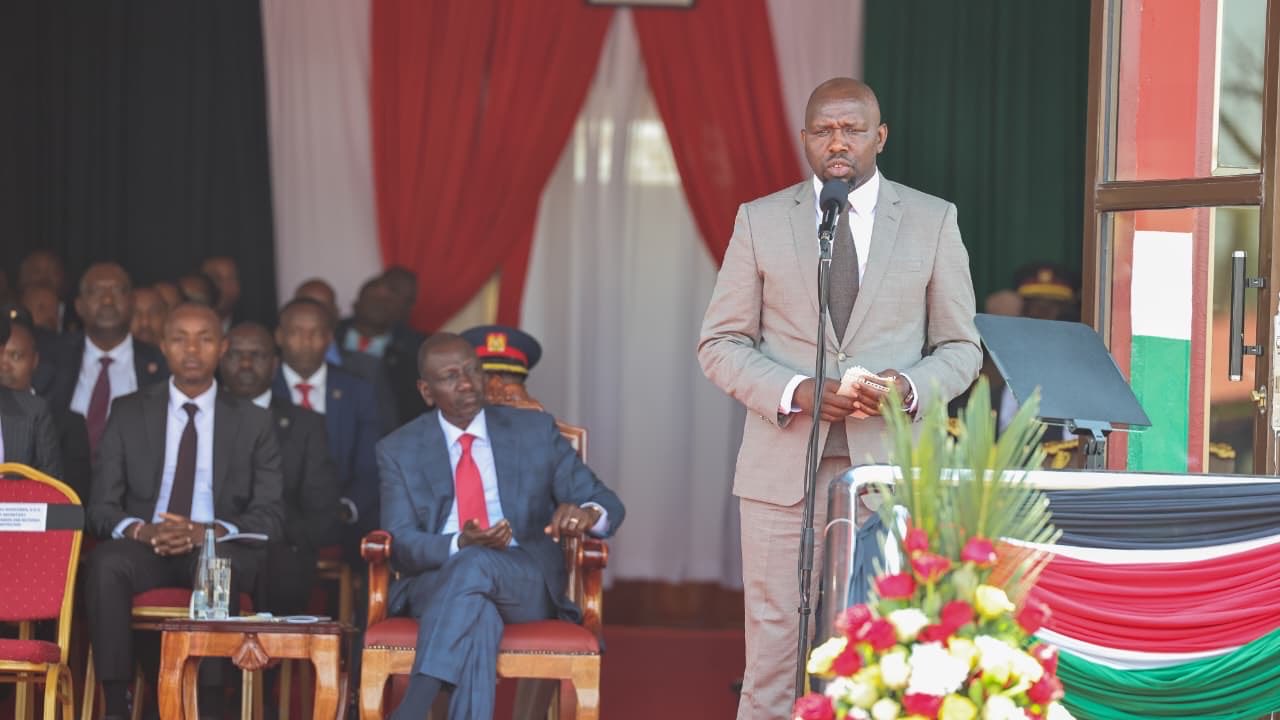
“Your Excellency, the Inspector General of Police retains the command of the National Police Service, especially on matters of investigation, matters of promotion, and matters of deployment of officers without the interference of anyone, including the Cabinet Secretary,” Murkomen said.
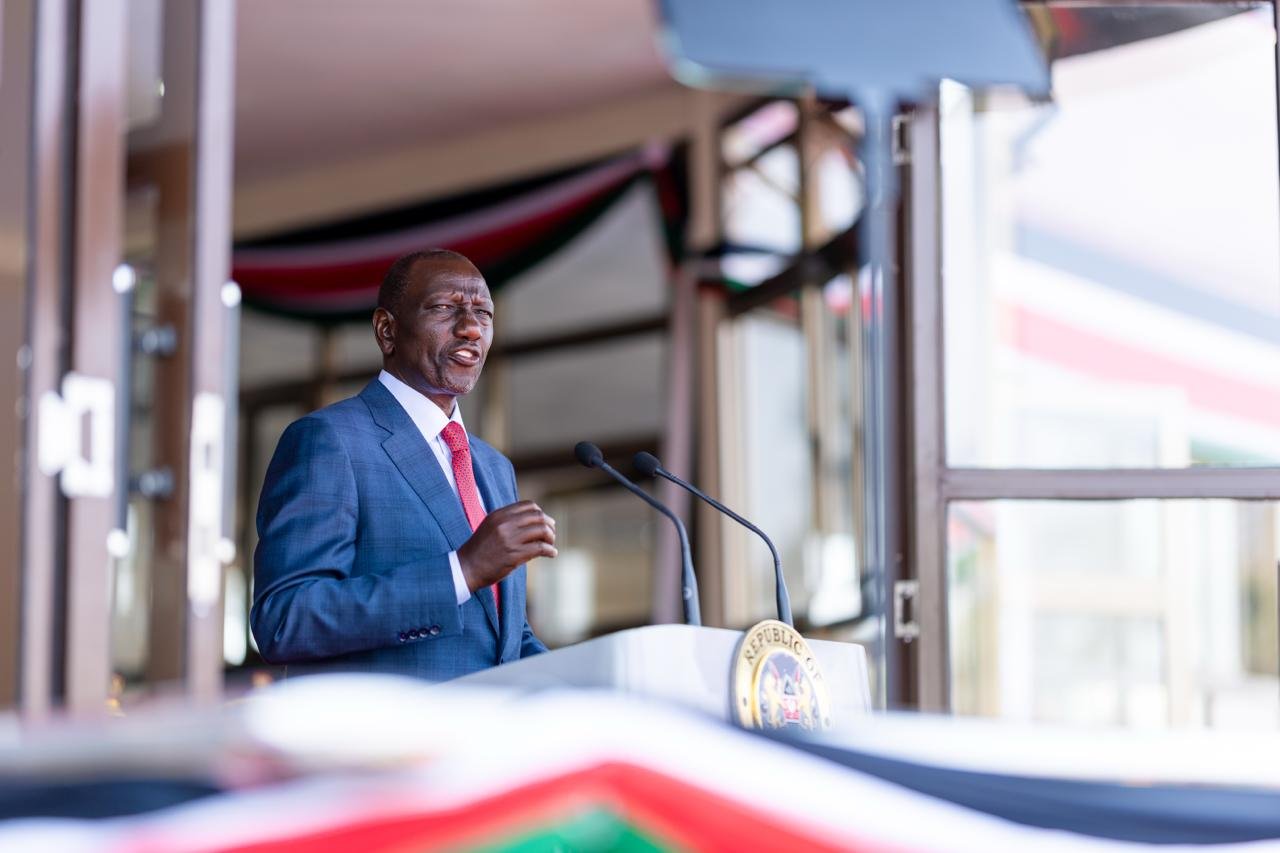
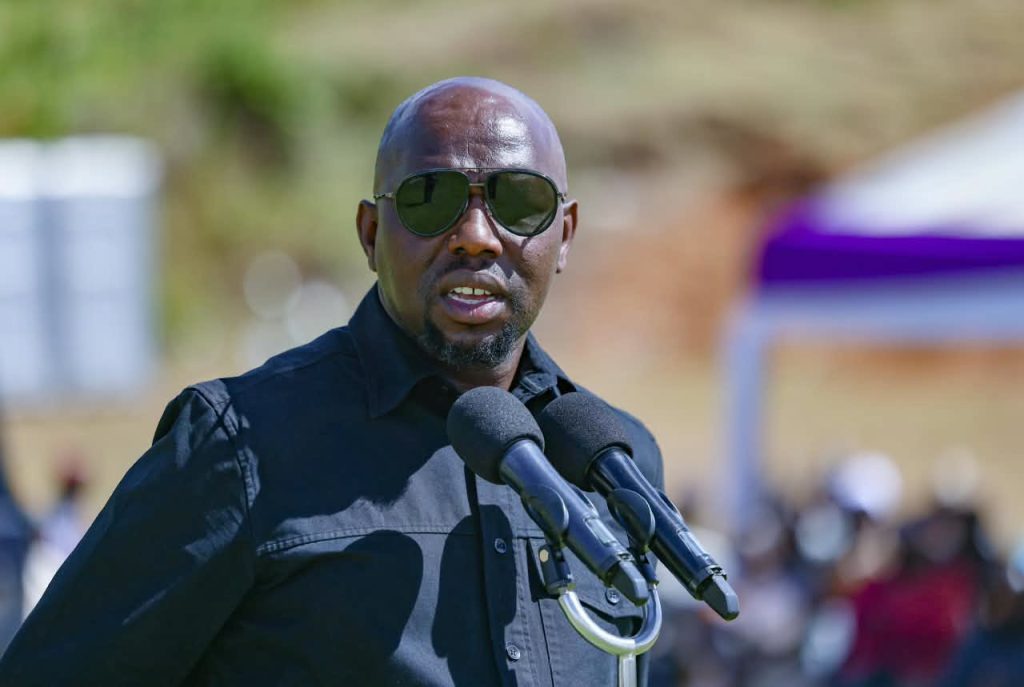
He was speaking during the 59th passing-out parade of Administration Police Service recruits at the National Police College, Embakasi ‘A’ Campus in Nairobi. President William Ruto presided over the ceremony.
Murkomen’s remarks came amid renewed criticism from former Deputy President Rigathi Gachagua over the independence and effectiveness of Kenya’s police command.
Gachagua has questioned whether Kanja exercises effective control over the entire National Police Service and has described the Inspector-General as a “flower girl”, suggesting that the police chief lacks meaningful authority over some security operations.
Murkomen rejected that characterisation
“I have full faith in the Inspector-General and the leadership of the National Police Service,” he said.
The Interior CS said the ministry’s role was to provide policy direction, while operational decisions remained the responsibility of the Inspector-General.
He said policy guidance from the ministry is issued in writing, distinguishing it from the day-to-day management and deployment of police officers.
The dispute touches on a sensitive issue in Kenya: how far political authorities can influence a police service whose operational command is constitutionally placed under the Inspector-General.
What the Constitution says
Article 245 of Kenya’s Constitution establishes the office of the Inspector-General and provides for the independent command of the National Police Service.
The Constitution also limits the extent to which the Cabinet Secretary responsible for policing can direct the Inspector-General.
In practice, the distinction between policy oversight and operational command has remained an important issue in debates over police independence.
Murkomen said the government was committed to protecting the National Police Service from external interference.
“The Inspector-General remains firmly in charge,” he said.

His comments amount to a direct rejection of allegations that another authority is directing sections of the police outside Kanja’s formal chain of command.
Police independence under scrutiny
The question of police command has become increasingly politically sensitive as Kenya debates security, accountability and the conduct of law-enforcement agencies.
Critics of the government have previously accused security agencies of political interference, while government officials have maintained that the police operate within the constitutional framework.
Murkomen sought to draw a clear line between the Interior Ministry’s policy responsibilities and the Inspector-General’s operational authority.
That distinction is particularly significant in matters such as investigations and deployment, where political interference could raise questions about the independence of the National Police Service.
For Kanja, Murkomen’s intervention represents a public endorsement of his authority at a time when questions over the police chain of command have become part of the wider political debate.
But the Cabinet secretary did not provide details of the specific allegations he dismissed as propaganda, nor identify particular police units allegedly operating outside the Inspector-General’s authority.
The central issue therefore remains whether the formal constitutional structure of police command is reflected in how security operations are actually conducted.
For now, Murkomen’s position is unequivocal: Kanja is the head of the National Police Service and, under the Constitution, remains responsible for its operational command.