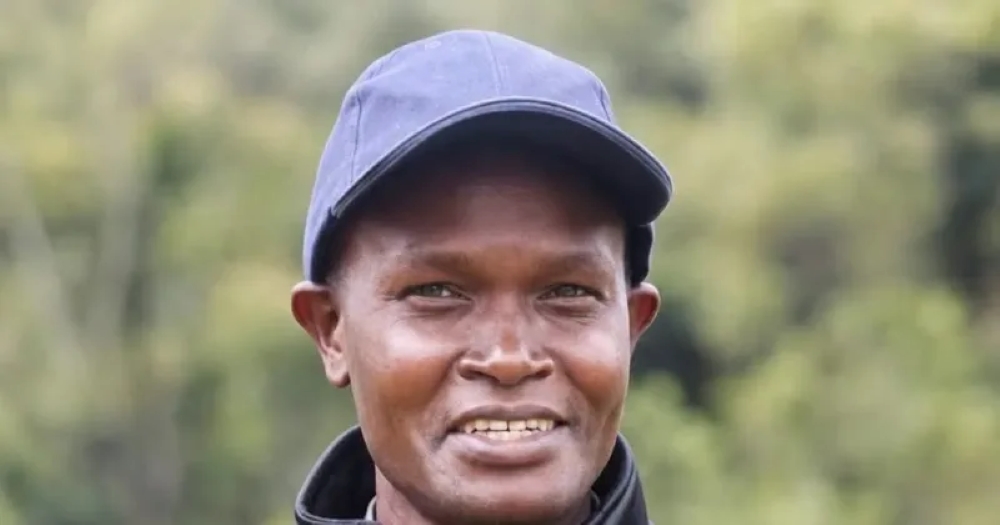
The abduction of Standard Group Associate Editor Alex Kiprotich on September 1, 2026, has exposed critical security gaps on Kenya’s Naivasha-Nakuru highway, where six CCTV cameras mounted at the Gilgil Weighbridge stood unmanned and useless as armed assailants staged a meticulously planned operation in full view of the surveillance infrastructure.
Kiprotich and his driver Geoffrey Kamau found themselves trapped at a strategic choke point along the busy highway on Tuesday night. The location, barely 100 meters from the Gilgil Weighbridge station where police officers stand guard under six CCTV cameras, became the scene of a chilling abduction that has raised fundamental questions about national security infrastructure.
The perpetrators had chosen their spot with surgical precision. High, steep road shoulders trapped the vehicle, cutting off any chance of escape. The assailants forced the vehicle to a stop, harassed the occupants, and bundled Kiprotich away before executing a swift U-turn toward Nairobi, all in the full glare of the cameras at the weighbridge, yet no intervention came.
A carefully executed ambush
Standard Group’s Head of Security Tom Kipyegon raised concerns that seem to allude to a well-executed plan.
“The scene reveals how everything seemed to have been planned. This incident seemed to have been planned far in advance,” Kipyegon explained.
“They made sure to stop them at a choking point where the driver could not escape because of the high shoulders of the road. It was also very strategic for them to quickly turn around and head back toward the Nairobi direction.”
The cameras that could not see
When Standard Group investigators visited the Gilgil Weighbridge station offices to understand the reliability of the CCTV cameras, they made a disturbing discovery. While the cameras belong to the Kenya National Highways Authority (KeNHA), with a private contractor responsible for managing and servicing them, the control room was in place, but no one was manning it.
Kipyegon noted that this rendered the entire surveillance system ineffective for real-time security purposes.
“So, these cameras, though they are there, may not help in a real-time situation to protect life and secure Kenyans. You talk about resources put in place, but there are no proper plans to use them for their intended purpose.”
Lawyer Gordon Ogolla, representing the Standard Group, confirmed that investigators had requested footage from KeNHA.
“We have just noted that there were six CCTV cameras just in front of where this took place. We have been able to talk to the ICT manager at KeNHA, and they promised they will be able to give us the footage when we formally request it.”
Police response and delayed investigation
The response to the abduction has been marred by significant delays, drawing sharp criticism from media stakeholders and human rights organisations. It was not until Saturday, four days after the Tuesday night abduction, that officers from the Directorate of Criminal Investigations finally visited the scene.
Kipyegon expressed frustration over the slow pace of investigations.
“This incident took place on Tuesday, and today is Saturday. Now the police are starting to build up efforts toward looking into this matter. Doing a reconstruction so many days after the incident is a disservice to the citizens of this country in terms of national security.”
The DCI’s forensic department did not lift fingerprints from the vehicle until Friday, three days after the abduction.
“Today, they have dusted, they have lifted the fingerprints. Now it is up to them to tell us and to unmask the faces, to confirm to the nation who really abducted Alex,” Kipyegon said.
Ogolla further called for the Independent Policing Oversight Authority (IPOA) to take over the matter, arguing that the circumstances required an independent investigation.
“We believe this is a matter that should be taken over by IPOA as we don’t believe police can independently investigate the incident, particularly because police officers had been present at the Gilgil Weigh Bridge where the abduction allegedly took place,” Ogolla said.
Government response and denials
Inspector General of Police Douglas Kanja ordered immediate investigations into the incident and directed the Anti-Abduction Unit to establish what happened.
“The NPS treats kidnapping and abduction with the utmost seriousness, as these grave offences threaten the lives, liberty and security of Kenyans,” said NPS spokesperson Muchiri Nyaga in a statement.
Nyaga said the service “unequivocally condemns” kidnapping, abduction and intimidation intended to interfere with press freedom or any other constitutional right.
“The Inspector General of Police has accordingly ordered immediate investigations to determine what transpired, including the identity of the heavily armed individuals reportedly seen ordering occupants out of their vehicle,” Nyaga said.
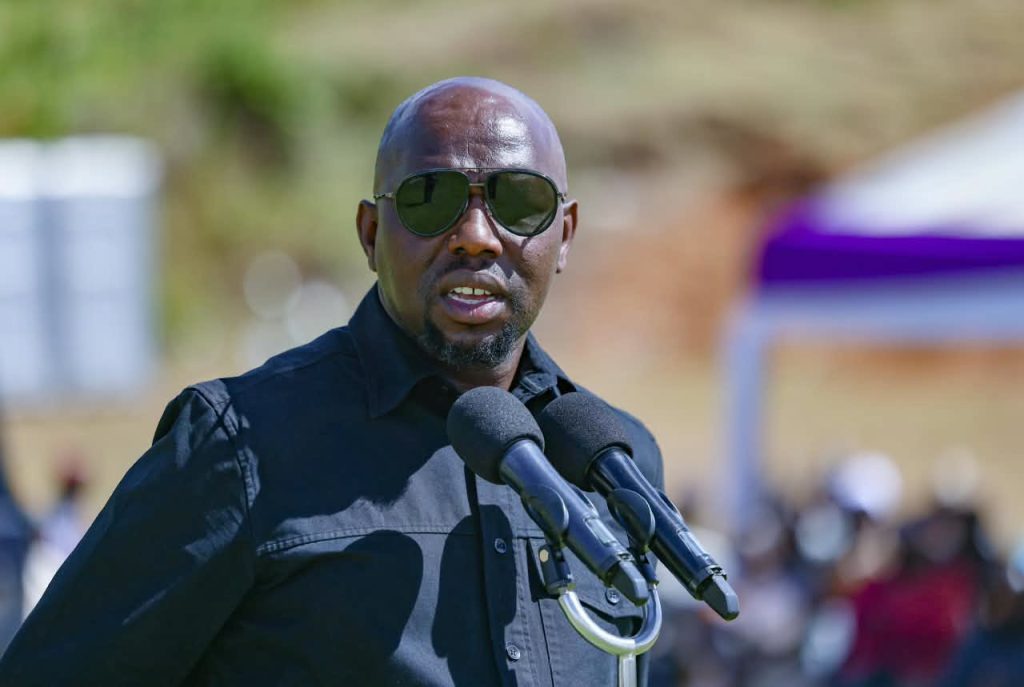
Interior Cabinet Secretary Kipchumba Murkomen also condemned the abduction, describing it as “barbaric” and calling for speedy investigations.
“It is barbaric for whoever executed such a thing. They must face the full force of the law,” Murkomen said.
Calls for accountability
Kipyegon questioned the circumstances surrounding the transfer of ownership of a vehicle allegedly linked to the incident and called on authorities to produce it for forensic examination.
“Where is the other vehicle? Because the other vehicle also has a lot of forensic evidence that is linked to this crime,” he said.
Kipyegon also questioned the failure to act against police officers who had been manning the weighbridge when the abduction allegedly occurred.
“No action has been taken up to today, and we believe that those officers are known,” he said.
Meanwhile, sources at the DCI revealed that the Anti-Abduction Unit formed after the 2024 Gen Z protests was never given an office or budget and that the officer assigned to head it was later moved to a regional office.
“The unit was formed after the Gen Z protests. There was a unit that was formed; however, they were never given an office or a budget. Danstan Owino, who was to head the unit, had 20 officers, but after sitting idle, he was moved as a deputy regional investigation officer to one of the regional offices,” the source said.
Broader implications
The abduction has raised broader questions about the safety of journalists and ordinary Kenyans. The incident came barely two months after Kiprotich was allegedly targeted in a similar incident.
Trans Nzoia Governor George Natembeya condemned the abduction, saying the incident raises concerns about the safety of journalists and citizens.
“What message are we sending to every reporter, editor and ordinary Kenyan who dares to question power?” Natembeya asked.
He called for a transparent and independent investigation into the incident.
“We must know who abducted Alex Kiprotich, why he was targeted, and who authorised or facilitated it,” Natembeya wrote.
Amnesty International Kenya called for an independent investigation, saying the incident raised “serious concerns for media freedom.”