Kenya’s government spent Ksh30 billion on domestic and foreign travel in the 2025/26 financial year, according to the Auditor-General’s report, raising fresh questions over how public funds are being used.
The travel bill increased by Ksh5.2 billion compared with the previous financial year, meaning government spending on trips rose significantly in a single year.
At the centre of the expenditure was State House, which emerged as the biggest spender, using approximately Ksh2.5 billion on travel.
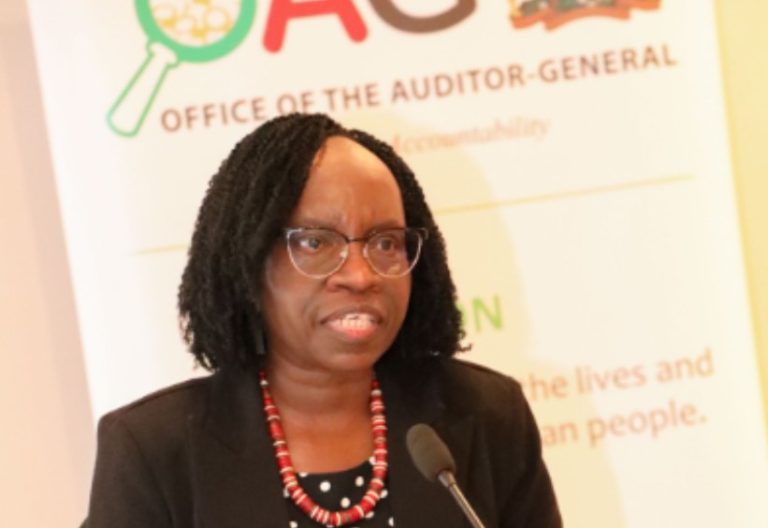
“Kenya’s government spent Ksh30 billion on domestic and foreign travel in the 2025/26 financial year, up by Ksh5.2 billion from the previous year. State House was the biggest spender, using Ksh2.5 billion on travel,” Auditor general report stated.
How much is Ksh30 billion?
The Ksh30 billion spent on travel represents money used by government officials for activities such as local and international trips, official missions, meetings, conferences and other government-related travel.
Put differently, the expenditure translates to roughly Ksh2.5 billion every month or about Ksh82 million every day, if spread evenly across the financial year.
The increase of Ksh5.2 billion also means the government spent about 21% more on travel than it did in the previous financial year.
State House takes the lead
State House accounted for the largest share of the government’s travel expenditure, spending Sh2.5 billion.
The figure means State House alone accounted for about 8.3% of the Ksh30 billion government-wide travel bill.
The high expenditure reflects the extensive domestic and international engagements involving the Presidency, including official visits, regional and international summits, bilateral meetings and other state functions.

President William Ruto has maintained an active international travel schedule since taking office, making visits across Africa, Europe, Asia, the Middle East and other regions to pursue trade, investment, diplomatic and development partnerships.
However, the scale of the expenditure is likely to attract scrutiny given the government’s repeated calls for prudent use of public resources.
Why government travel matters
Government travel is not necessarily wasteful.Officials often have to travel to represent Kenya at international meetings, negotiate agreements, seek investments, attend multilateral forums and engage with other governments.
Domestic travel can also be necessary for government officers overseeing projects, inspecting programmes, attending meetings or delivering public services across the country.
The key issue is therefore whether the money spent on travel delivered value to taxpayers.
The Ksh5.2 billion increase comes at a time when the government is under pressure to reduce expenditure and manage a growing public debt burden.
Every additional shilling spent on travel competes with other government priorities, including healthcare, education, infrastructure, social protection and development projects.

For taxpayers, the Auditor-General’s figures raise an important question: what did Kenya get in return for the additional Sh5.2 billion spent on travel?
The answer depends not only on the amount spent, but also on the outcomes of the trips.
A foreign trip that results in a major investment, trade agreement or development partnership could potentially generate benefits that exceed its cost.
Conversely, travel without clear outcomes could amount to an unnecessary burden on public finances.
The bigger picture
The KSh30 billion figure provides a glimpse into the cost of running government beyond salaries and development projects.
Travel is just one category of recurrent expenditure, but it is also one of the areas that can attract public attention because of the visibility of official trips.
The Auditor-General’s report provides an important accountability mechanism by showing how public money was spent and highlighting areas that require closer examination.