President William Ruto has ordered a crackdown on foreigners running small businesses in Kenya, directing the government to start the exercise on Monday, September 7, 2026, after identifying hawking and small retail shops as businesses that should largely be left to Kenyan citizens.
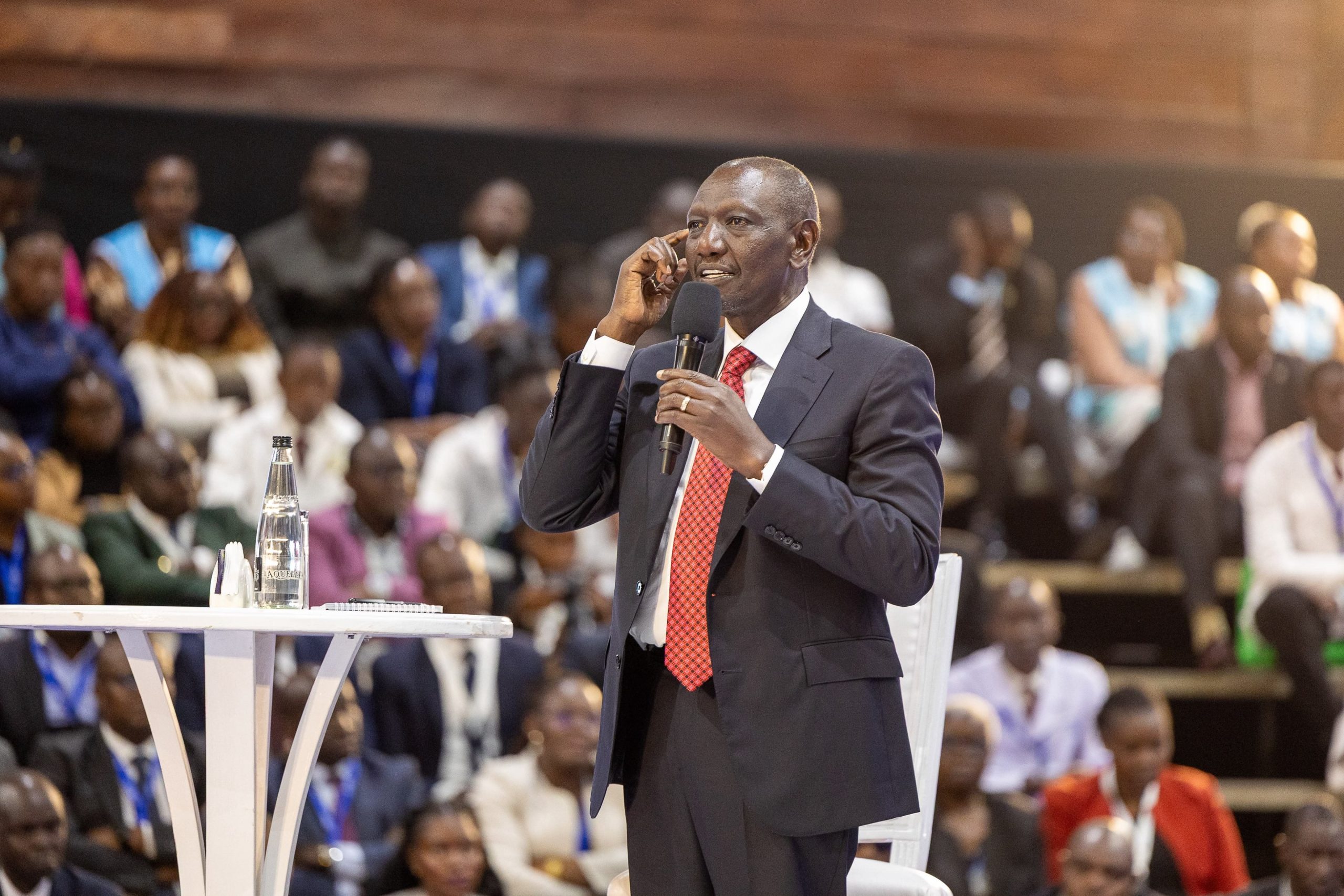
The President issued the directive on Wednesday, September 2, while addressing Micro, Small and Medium Enterprise (MSME) traders at State House.
Ruto said foreigners should not compete with Kenyans in small-scale businesses, arguing that the government’s efforts to improve the economy and attract investment should benefit local entrepreneurs.
“From next week, all traders doing those small businesses should close them,” Ruto said.
Foreign traders targeted
The directive is expected to affect foreigners involved in small-scale trading, including hawking and running small shops.
Ruto questioned why people from countries such as China should come to Kenya to engage in hawking or operate small businesses.
“It cannot be that a person comes from China or elsewhere to be a hawker or open a small shop,” he said.
However, the President did not give a detailed list of all businesses that will be affected by the directive.
He also did not explain how authorities will identify the affected traders or the specific action that will be taken against them.
Local Content Bill
Ruto linked the crackdown to the Local Content Bill, 2025, which is currently before Parliament.
The proposed law seeks to increase the participation of Kenyans in economic activities and provide more opportunities for local businesses.
Ruto has called for the Bill to be accelerated, saying it should identify businesses that foreigners would not be allowed to operate in Kenya.
The Bill is sponsored by Laikipia Woman Representative Jane Kagiri.
If implemented, the directive could create more opportunities for Kenyan traders in sectors currently occupied by foreign operators.
However, its long-term impact will depend on how the government implements the order and whether Parliament passes laws formally reserving certain businesses for Kenyan citizens.