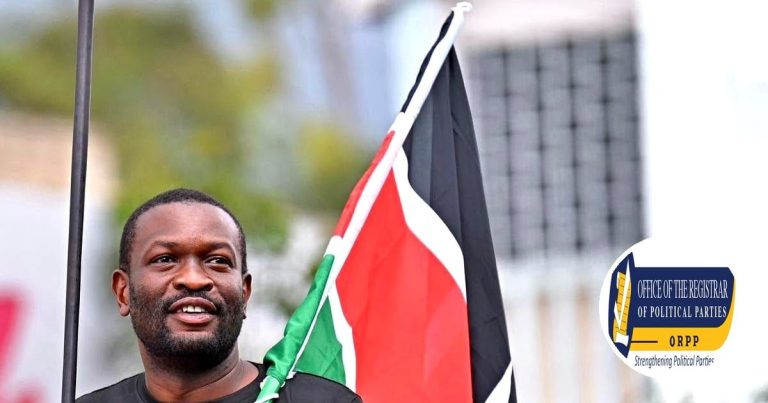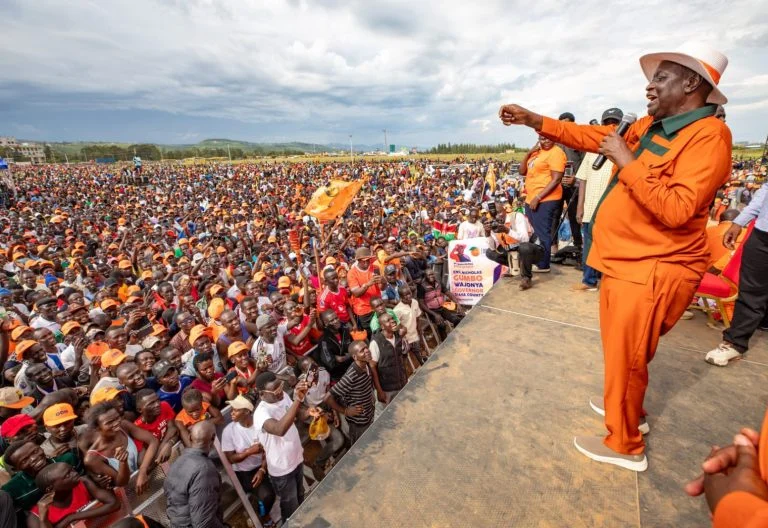
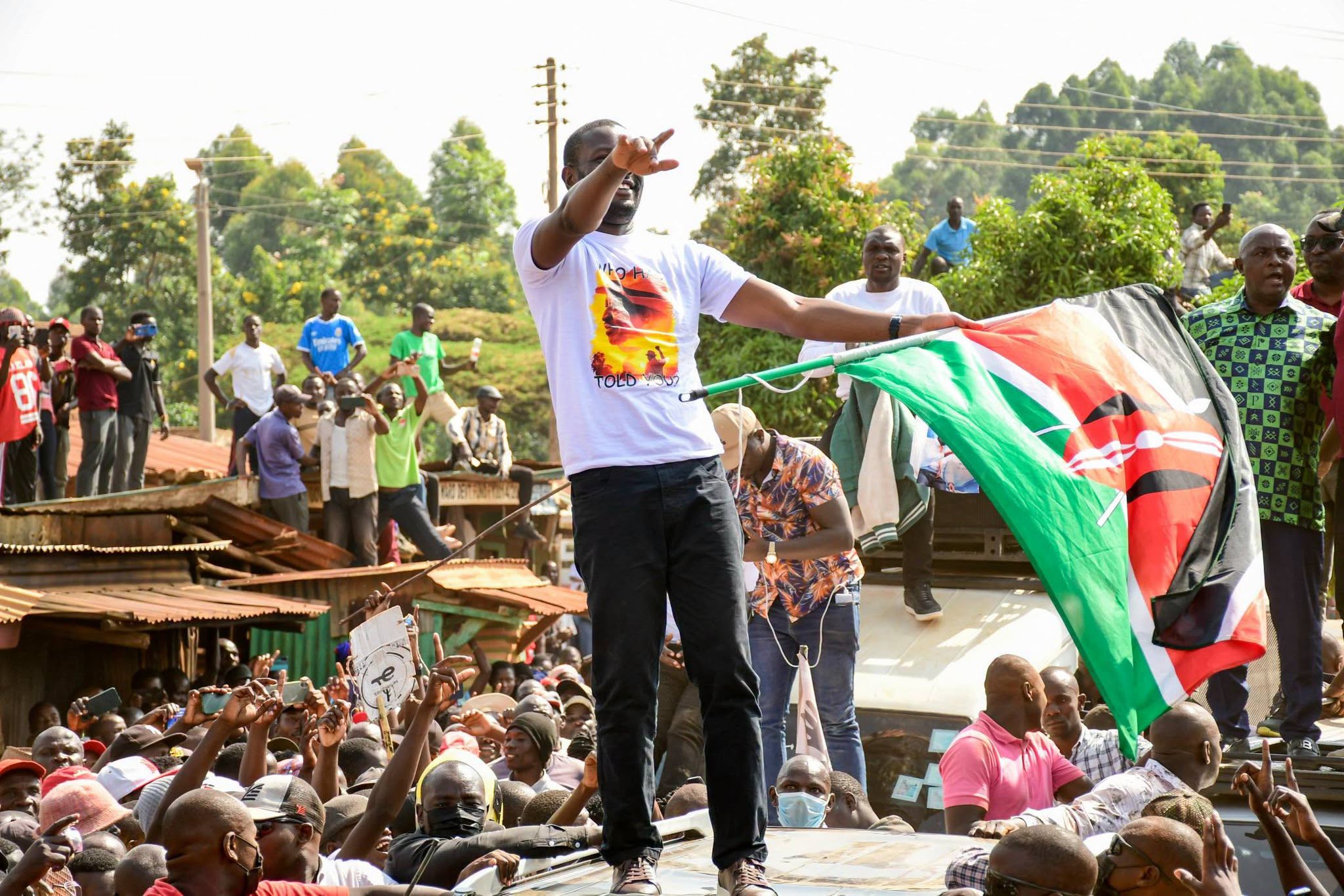
The rejection of Edwin Sifuna’s preferred party rebrand has exposed a more fundamental test for Kenya’s Linda Mwananchi movement: whether it can turn a broad political alliance into a coherent electoral organisation while its leading figures pursue different party vehicles.
The Registrar of Political Parties rejected a proposal to change the United Democratic Party (UDP), associated with the late former Lugari MP Cyrus Jirongo, to Ukombozi People’s Party.
The Registrar said the proposed name was too similar to the Ukombozi Alliance, which had been reserved by another applicant. The decision was made under Section 8(c) of the Political Parties Act, which allows the Registrar to reject names, symbols or slogans that closely resemble those already registered or reserved.
The ruling has complicated a plan that Sifuna’s allies had been preparing for weeks.
But the bigger issue for Linda Mwananchi is no longer simply whether Sifuna can secure the Ukombozi name.
It is whether the movement can operate as one political force if its leading figures enter the 2027 election through different parties.
Different parties, one movement
Sifuna has repeatedly suggested that the movement has alternatives.
Speaking at a Forum of Young Aspirants at Ufungamano House on August 25, he said the dispute with the Registrar was about the movement’s political identity rather than its access to a party.
“What we are fighting for is not a party. We have parties. We are fighting for our brand. Our name.”
He went further:
“We have many parties. We want our brand. We have built this thing.”
Those comments have taken on greater significance following the rejection of the Ukombozi application.
Sifuna was expected to unveil his political vehicle in early October, while Embakasi East MP Babu Owino has chosen to pursue his Nairobi gubernatorial bid through the Mwananchi Party.
The two politicians have nevertheless sought to keep their separate party plans within the same broader movement.
Babu has proposed a coalition between his party and Sifuna’s proposed vehicle under the Linda Mwananchi umbrella.
“We will start with a coalition within Linda Mwananchi, Sifuna will be the party leader of Ukombozi Party and Babu will be the party leader of the Mwananchi Party,” Babu said.
He has also said he continues to support Sifuna’s presidential ambitions.
“Sifuna is my brother, I cannot abandon him because we started together. I will stand in solidarity with him.”
That makes the dispute more complicated than a straightforward split.
The emerging model is potentially one movement operating through several political parties.
But such an arrangement would leave Linda Mwananchi having to coordinate parties with their own leaders, structures and electoral interests.
The nomination question
The immediate challenge is practical.If Sifuna and Babu use different parties, Linda Mwananchi would have to manage questions over which party fields candidates in particular constituencies and wards, how nominations are conducted and how disputes between members of the different parties are resolved.
Those issues are particularly relevant in Nairobi, where Babu intends to seek the governorship while Sifuna is positioning himself for the presidency.
The two could field different candidates for some positions even if they remain politically aligned. Babu has also said he wants his own MCA candidates in Nairobi.
That would make the proposed coalition more than a branding exercise.
It would require an agreed mechanism for allocating political positions among parties that are separately organised.
Recent reporting has described disagreements within Linda Mwananchi over precisely this question. The camps had emerged over the party Sifuna should use, with Babu favouring his own vehicle and Trans Nzoia Governor George Natembeya backing Ukombozi.

Sifuna’s allies, meanwhile, have continued to indicate that alternative parties are available.
The Star reported that sources within the movement were considering up to four existing parties as possible vehicles.
That gives Sifuna room to change course after the ORPP decision.
It does not, however, settle the question of how the wider movement will organise itself.
Time is running
The timing makes the question more pressing.The IEBC has set October 15, 2026 as the deadline for political parties intending to participate in the 2027 election to submit the names and specimen signatures of their authorised persons.
Parties must also have their nomination rules certified by the Registrar by October 30 and submit the certified rules to the IEBC by November 6.
The timetable means Linda Mwananchi cannot leave the question of its electoral architecture unresolved indefinitely.
A party can provide the legal vehicle for candidates to contest elections.
A coalition, by contrast, has to establish how those parties will cooperate.
For Linda Mwananchi, that distinction is becoming increasingly important.

Sifuna’s own statements suggest that the movement has deliberately kept several options open.
At the burial of Kakamega Senator Boni Khalwale’s wife on August 21, he told supporters:
“Honestly, some people think Sifuna doesn’t have a party? Let our supporters relax, a rose by any other name still sells.”
The remark now reads less like a comment about the availability of a party and more like an indication that the name of the vehicle is negotiable.
The question is what happens to the wider political structure around it.
Ukombozi adds another layer
The dispute has also unfolded as another opposition grouping has adopted the Ukombozi name.
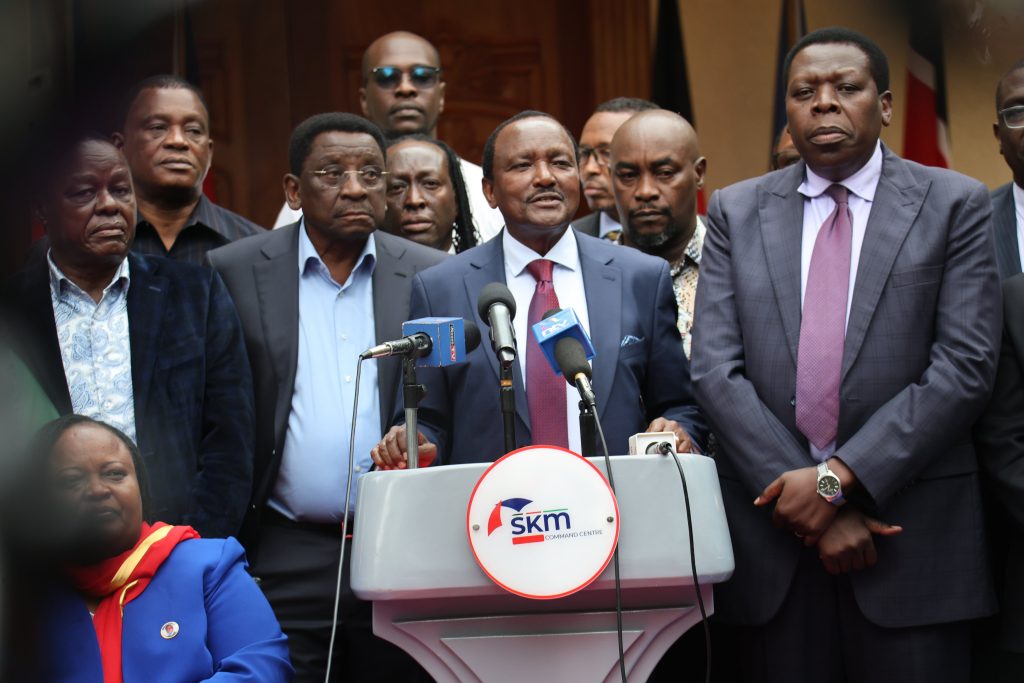
On September 21, Wiper leader Kalonzo Musyoka announced that the Azimio la Umoja One Kenya Coalition had rebranded as The Ukombozi Alliance.
That development is relevant because it illustrates how rapidly political parties and coalitions are reorganising ahead of 2027.
It also helps explain the Registrar’s objection to the proposed Ukombozi People’s Party name: the office said The Ukombozi Alliance had already been reserved by another applicant.
But it does not necessarily determine what Linda Mwananchi does next.
Sifuna has already signalled that his camp has alternatives.
The more consequential question is whether those alternatives can accommodate the different political interests inside the movement.
For now, the evidence points to continued efforts to keep the group together rather than an established break-up. Babu has publicly maintained his support for Sifuna, while proposing separate parties under one coalition.
That leaves Linda Mwananchi facing a test of political organisation rather than simply political branding.
Its leaders have built a common movement. The next step is to determine whether they can build a common electoral structure around it.