The rebranding of Azimio la Umoja One Kenya Coalition as the Ukombozi Alliance gives Kenya’s opposition a new political vehicle, but the immediate test is no longer the name. It is whether the coalition can translate the rebrand into a functioning structure that accommodates its expanding membership, manages leadership changes and keeps its constituent parties aligned ahead of the 2027 General Election.
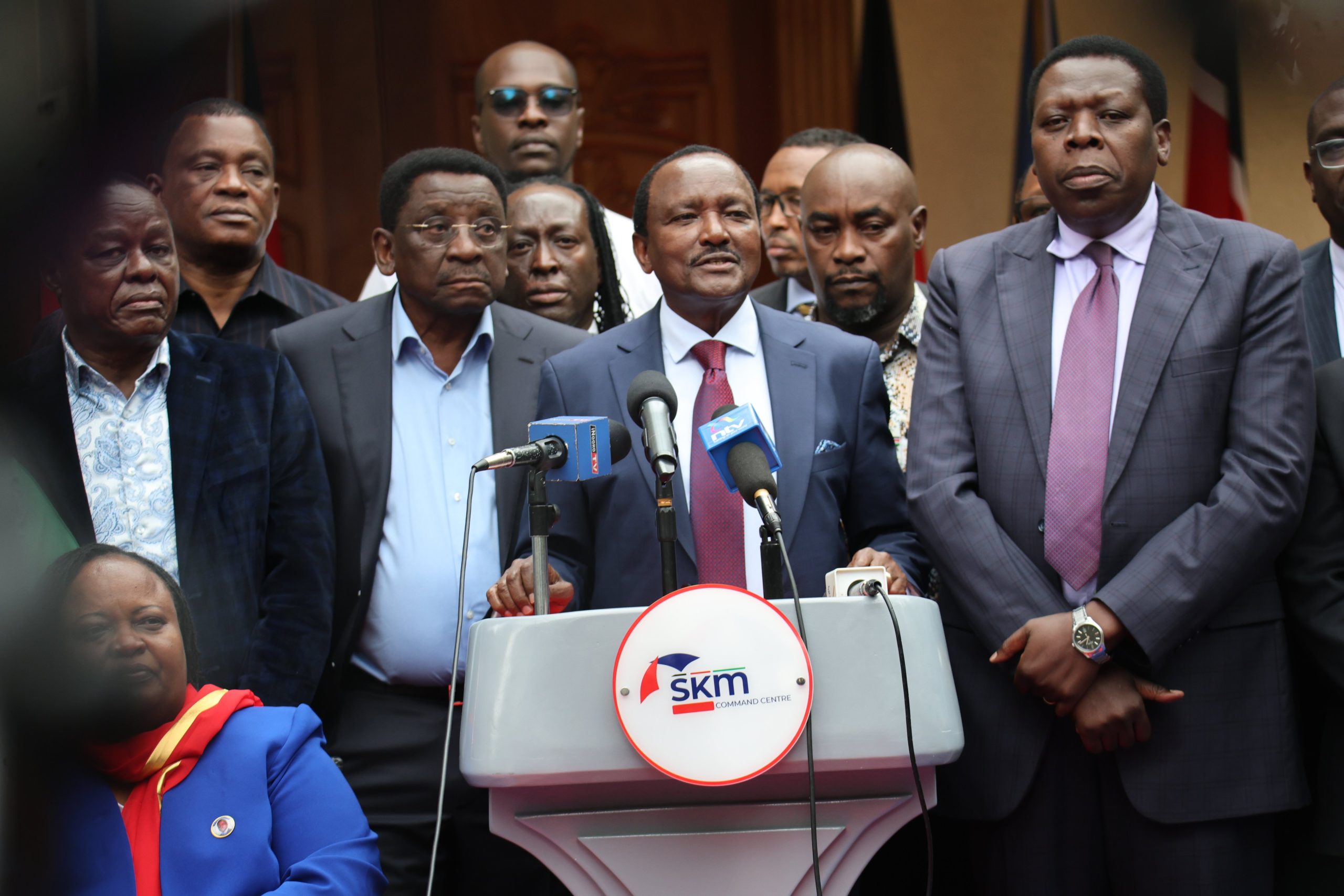
Wiper leader Kalonzo Musyoka announced the change on Monday, September 21, saying the decision had been unanimously approved by the coalition leadership.
“After today, even this podium will change because the Azimio la Umoja One Kenya Coalition has this day, September 21, 2026, unanimously agreed to rebrand and change the name to Ukombozi Alliance.”
The announcement formalises a process that had been underway for weeks. In August, Azimio’s Joint Council and National Executive Committee resolved to reorganise its structures, undertake comprehensive rebranding and expand engagement with other political parties and formations.
The coalition has also been bringing additional political figures and parties into its structures while seeking wider opposition engagement. That means the new identity must now be matched by decisions over representation, coordination and the formal operation of the alliance.
The structure now matters
Kalonzo’s announcement points to an organisational transition rather than simply a change in branding.
He said the coalition would undertake the necessary actions arising from the decision and that arrangements would be made for the formal handover of the coalition’s chairmanship.
“All necessary actions to that decision will be undertaken expeditiously, and so we want the country to note that we are on the move.”
The distinction is important because the coalition is retaining an existing political structure while presenting itself under a new identity. The change therefore has to establish how the rebranded alliance will relate to the parties and political formations already participating in it.
The Ukombozi Alliance has also adopted the political message “One Term, One Team, One Coalition”, signalling that unity will be central to its public presentation.
What remains to be demonstrated is how that principle will operate inside a coalition whose membership and external engagements are still developing.
Jubilee becomes immediate test
The most immediate organisational question is now linked to Jubilee Party and former President Uhuru Kenyatta.
Kalonzo said Uhuru, whom he described as coalition chairman, would convene a Jubilee Party meeting on Tuesday, September 22. Decisions from that meeting are expected to be communicated to the Ukombozi Alliance before arrangements are made for the formal transition of the chairmanship.
The timing follows a High Court decision concerning retired presidents and formal party leadership. Uhuru has accepted that he will relinquish the Jubilee Party chairmanship. The ruling, however, distinguished between holding a formal party leadership position and participating in political activity.
That creates two separate issues for the new alliance: the formal leadership of Jubilee and Uhuru’s continuing political role.
Kalonzo has maintained that Uhuru’s political participation remains protected even after relinquishing the party position.
“The law speaks to the holding of office. It does not speak to belonging.”
The September 22 Jubilee meeting therefore provides an immediate indication of how the coalition intends to manage that transition while maintaining coordination among its constituent parties.
Wider opposition remains unresolved
The rebrand also comes as the opposition landscape continues to evolve.
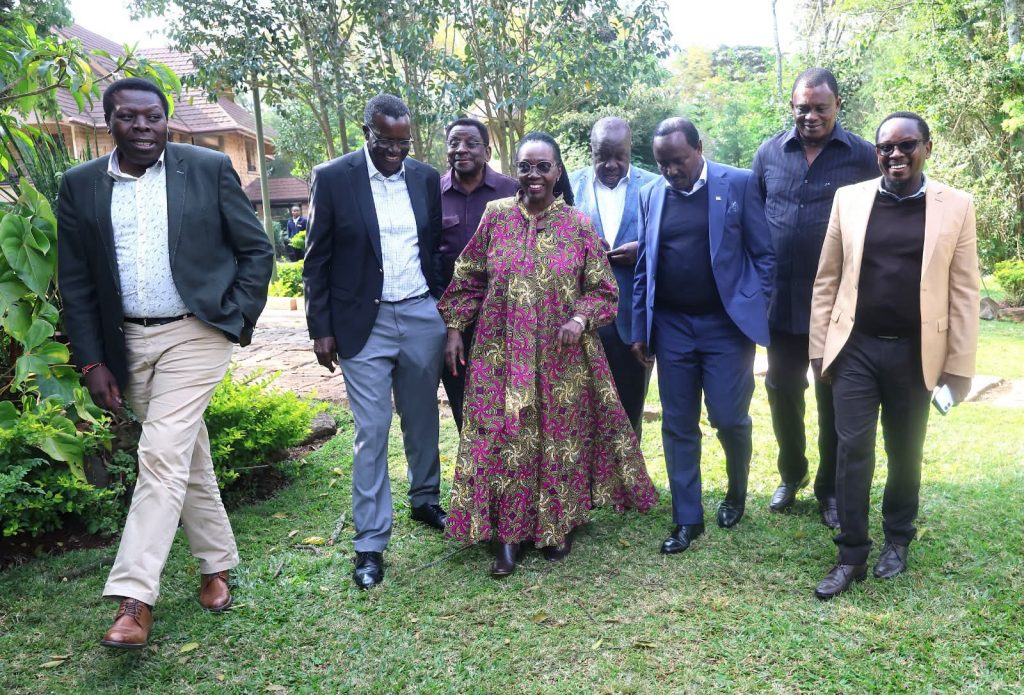
Azimio’s August resolutions identified several parties and political formations for engagement, including DAP-K, Umoja na Maendeleo, the People’s Democratic Party and the Democratic Party. Kalonzo was also mandated to engage formations associated with Rigathi Gachagua and Martha Karua, among others.
Those engagements do not automatically translate into membership of the Ukombozi Alliance. They illustrate instead the wider political negotiations taking place around the opposition’s 2027 strategy.
That leaves several questions unresolved: which parties will ultimately operate under the new banner, how the alliance’s leadership organs will be constituted, how policy positions will be coordinated and how the coalition will approach the eventual selection of candidates.
For now, the Ukombozi Alliance has settled the question of its name. The next decisions—particularly those involving Jubilee, the coalition chairmanship and the inclusion of additional political formations—will begin to show whether the rebrand represents a wider organisational restructuring or primarily a new identity for an existing coalition.
The September 22 Jubilee meeting is therefore the first immediate test of the transition announced by Kalonzo, with the broader structure of the Ukombozi Alliance still taking shape ahead of the 2027 election.