The Orange Democratic Movement (ODM) could be forced to rethink its demand for the Deputy President’s position and settle for other influential government jobs if it backs President William Ruto to victory in the 2027 General Election.
A new TIFA Research survey released on November 12 shows that Deputy President Kithure Kindiki is the overwhelming favourite among Ruto supporters to retain his position, dealing a potential blow to ODM leaders seeking to have one of their own appointed as the President’s running mate.
According to the poll, Kindiki commands 55 per cent support among Ruto supporters asked who they would prefer as the President’s running mate in 2027.
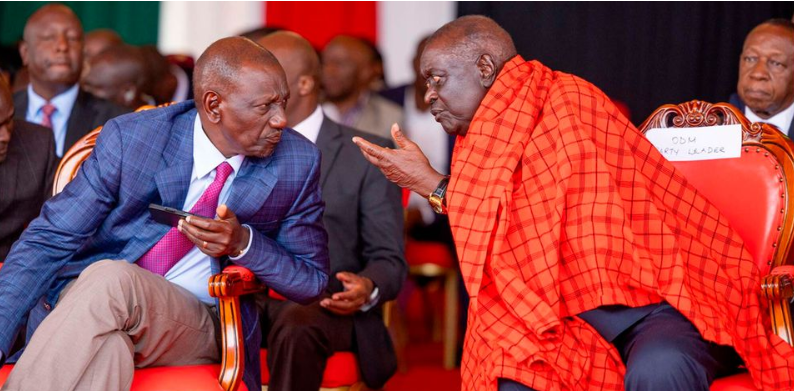
Homa Bay Governor Gladys Wanga follows at 12 per cent, while Mining Cabinet Secretary Hassan Joho has nine per cent. ODM leader Oburu Oginga receives only four per cent, matching Prime Cabinet Secretary Musalia Mudavadi and National Assembly Speaker Moses Wetang’ula.
TIFA says Kindiki’s commanding lead “suggests that Ruto’s supporters favour continuity in the Deputy Presidency rather than a change in running mate.”
The findings raise questions about ODM’s bargaining power as it negotiates a possible pre-election coalition with the ruling United Democratic Alliance (UDA), having already settled on Ruto as its preferred presidential candidate.
Kindiki has the numbers
The 55 per cent support for Kindiki is a significant lead over the ODM figures, suggesting that Ruto’s political base is not particularly enthusiastic about changing the current presidential ticket.
For ODM, the numbers present a difficult choice. The party has been pushing for the Deputy President’s position as part of its demands in the proposed coalition, but the latest findings suggest that such a request may face resistance from the President’s supporters.
If Ruto wins re-election with Kindiki as his running mate, ODM could instead seek to retain its existing Cabinet representation and negotiate for additional ministries, senior appointments and other influential positions in the next administration.
TIFA, however, does not predict the final coalition agreement. It notes that what position ODM will take if its two key demands—the Deputy President’s slot and zoning of its strongholds—are not met “remains to be seen.”
Ruto makes fresh promise
The findings come days after Ruto renewed his promise to ensure equitable distribution of government positions among Kenya’s communities as UDA and ODM negotiate a possible coalition agreement.
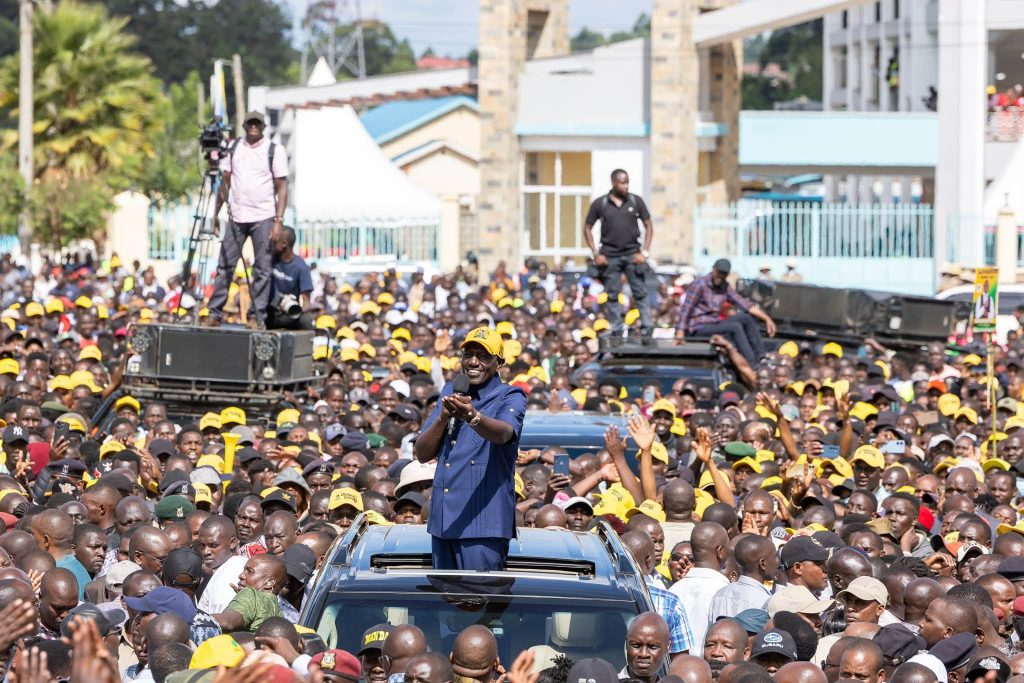
Speaking during a rally in Nyamira County on November 8, the President said the two parties would sit down and agree on an arrangement that gives every community and region a stake in national leadership.
“Tumesema tutaketi chini UDA na ODM na tutanegotiate na tutakubaliana vile Kenya hii tutahakikisha ya kwamba tunaondoa ukabila, tunaondoa chuki na ubaguzi, tuwe na usawa katika taifa letu la Kenya,” Ruto said.
He added: “Nafasi ya uongozi katika serikali yetu ipatikane na ijumuishe kila jamii ya Kenya na kila sehemu na pande ya Kenya ndo usawa ipatikane na Kenya iweze kupiga hatua ya kwenda mbele.”
Although the President promised equitable representation, he did not name the positions ODM would receive or confirm whether the Deputy President’s office would be available to the party.
The promise could nevertheless give ODM room to negotiate for a bigger share of government should the two parties agree on a joint campaign.
Oburu insists on deal
ODM leader Oburu Oginga has maintained that the party will not support Ruto unconditionally, insisting that its participation in the broad-based government is deliberate and that a formal coalition must be negotiated.
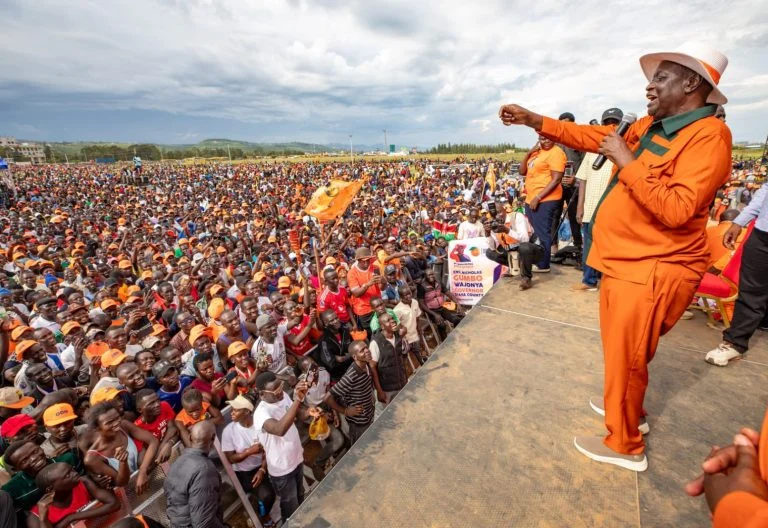
Speaking through a video message played at the Jacaranda Grounds rally on October 31, Oburu said ODM was not in government blindly.
“We are in this broad-based government and we are not there blindly. Raila did not go there blindly and we are not ourselves there in this broad-based government blindly. We are there consciously and we are there knowing what we are doing,” he said.
Oburu also announced that a separate political negotiating team would be formed before February 2027 to handle the proposed coalition agreement with Ruto’s side.
The ODM leader’s position reflects the party’s desire to secure written guarantees before committing its political machinery to the President’s re-election campaign.
Other positions in play
The coalition talks have increasingly focused on what ODM will receive in exchange for supporting Ruto’s presidential bid.
National Assembly Minority Leader Junet Mohamed has said the presidential candidate question is settled, leaving positions below the presidency open for negotiation.
“We have agreed that President Ruto will be our presidential candidate in 2027. That one is sorted. We are not searching for any presidential candidate. Anything below the presidency is up for grabs,” Junet said.
The Daily Nation has reported that the two parties have agreed to work on a joint campaign committee and a single campaign treasury account, but have yet to agree on the distribution of government positions.
ODM currently holds four Cabinet positions and wants to protect its existing influence while negotiating for more appointments.
With Kindiki enjoying strong backing among Ruto supporters, the Deputy President’s position could prove the hardest prize for ODM to secure. The party may therefore have to weigh whether it is better to insist on the seat or negotiate for other powerful positions in a Ruto-led government after the 2027 election.