
Pedestrians and motorcyclists accounted for nearly 64 per cent of all road deaths in Kenya, with 3,362 people killed in the 12 months to August 2026 as fatalities continued to rise.
Pedestrians and motorcyclists are bearing the biggest burden of Kenya’s road safety crisis, with new government figures revealing that nearly two out of every three people killed on the country’s roads belong to these two categories.
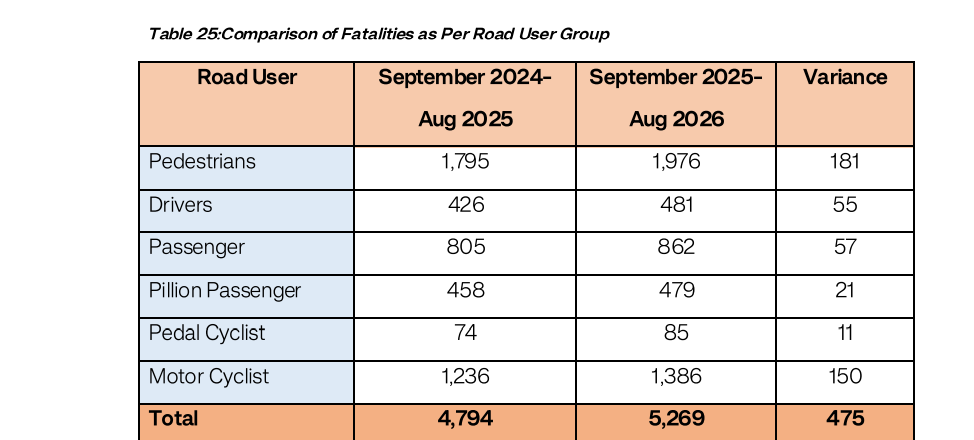
A total of 5,269 people died in road accidents between September 2025 and August 2026, representing a 9.9 per cent increase from the 4,794 fatalities recorded in the previous reporting period.
Of these, 1,976 were pedestrians while 1,386 were motorcyclists, bringing their combined deaths to 3,362, or 63.8 per cent of all fatalities.
The figures are contained in the 2026 Annual Report to Parliament on the State of National Security, which identifies rising road deaths, reckless driving and weaknesses in the regulation of the boda boda sector among the country’s road safety challenges.
Pedestrian deaths increase by 10 per cent
Pedestrians remain the biggest victims of road accidents in Kenya.
The 1,976 deaths recorded during the reporting period represent an increase of 181 fatalities from the 1,795 recorded in the previous year, translating to a 10.1 per cent rise.
This means an average of approximately five pedestrians died every day.
The Government identifies increasing incidents of reckless and drunk driving as major threats to pedestrians and other road users.
Infrastructure gaps also feature prominently in the report, which acknowledges the need for pedestrian walkways in urban centres and major towns.
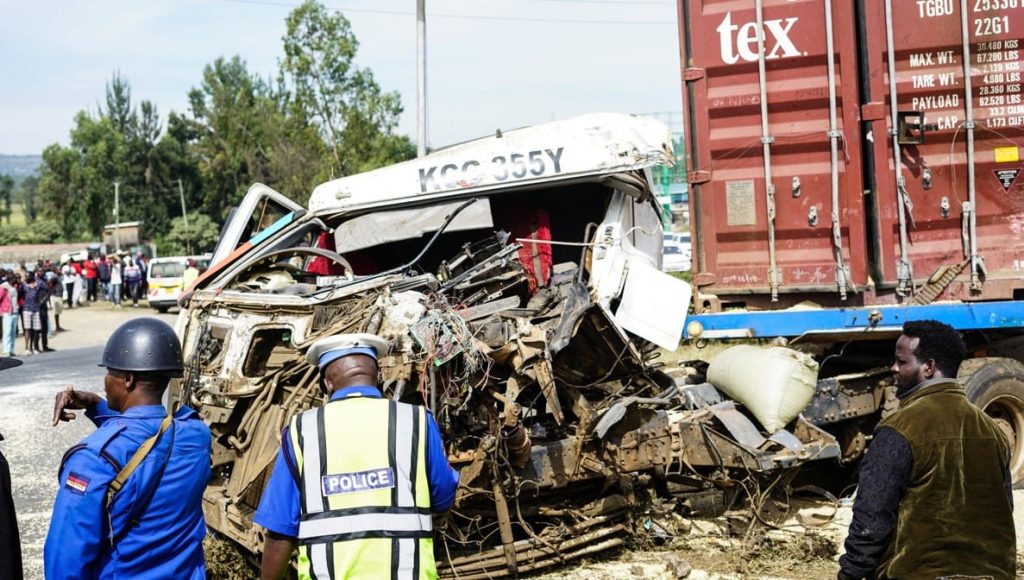
The report further identifies vandalism of road furniture, including signage and road markings, as contributing to frequent accidents and reduced navigability.
To address these challenges, the Government says it is undertaking continuous road maintenance, installing road furniture and providing pedestrian walkways in urban centres and major towns.
It has also committed to expanding pedestrian awareness campaigns and strengthening enforcement against traffic offenders.
Motorcyclist deaths rise as boda boda sector expands
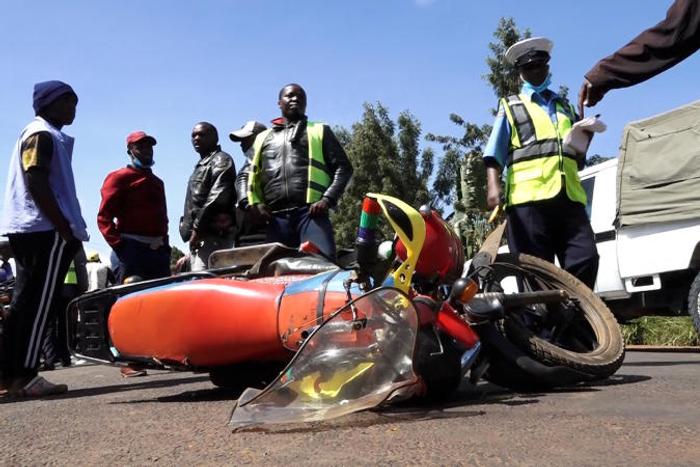
Motorcyclists recorded the second-highest number of road deaths, with 1,386 fatalities compared with 1,236 in the previous reporting period.
The 150 additional deaths represent a 12.1 per cent increase, equivalent to nearly four motorcyclists losing their lives every day.
The figures come as Kenya’s boda boda industry continues to expand, with more than two million riders actively engaged in the sector.
Despite its contribution to employment and the economy, the Government acknowledges that the industry’s growth has created significant regulatory challenges.
The report describes the situation as “rapid and underregulated growth” of the sector, compounded by “fragmented oversight, limited licensing and enforcement gaps”.
It also identifies reckless riding, inadequate rider training and failure to adhere to safety standards as major contributors to road accidents.
Low compliance with traffic laws and inadequate safety skills training among some riders remain additional concerns.
The report separately records 479 pillion passengers killed during the period. Including these deaths brings motorcycle-related fatalities to 1,865.
December records highest road deaths
December was the deadliest month, recording 567 road fatalities compared with 466 in the previous year.
The report attributes the high numbers, probably, to increased traffic during the festive season.
March also recorded a significant increase, with deaths rising from 387 to 473, representing a 22.2 per cent jump.
Government promises tougher road safety measures
To reverse the trend, the Government has committed to mandatory rider training, testing, certification and licensing.
It also plans to work with county governments to establish designated boda boda stages, parking bays and, where feasible, dedicated motorcycle lanes.
Other interventions include mapping accident blackspots, installing speed and surveillance cameras, introducing live tracking of public and commercial vehicles and strengthening the arrest and prosecution of traffic offenders.
However, the report acknowledges that enforcement gaps, fragmented oversight and limited licensing continue to undermine road safety efforts.
With pedestrians and motorcyclists accounting for nearly two-thirds of all road fatalities, the latest figures highlight the urgency of turning these government commitments into practical interventions that protect the country’s most vulnerable road users.