
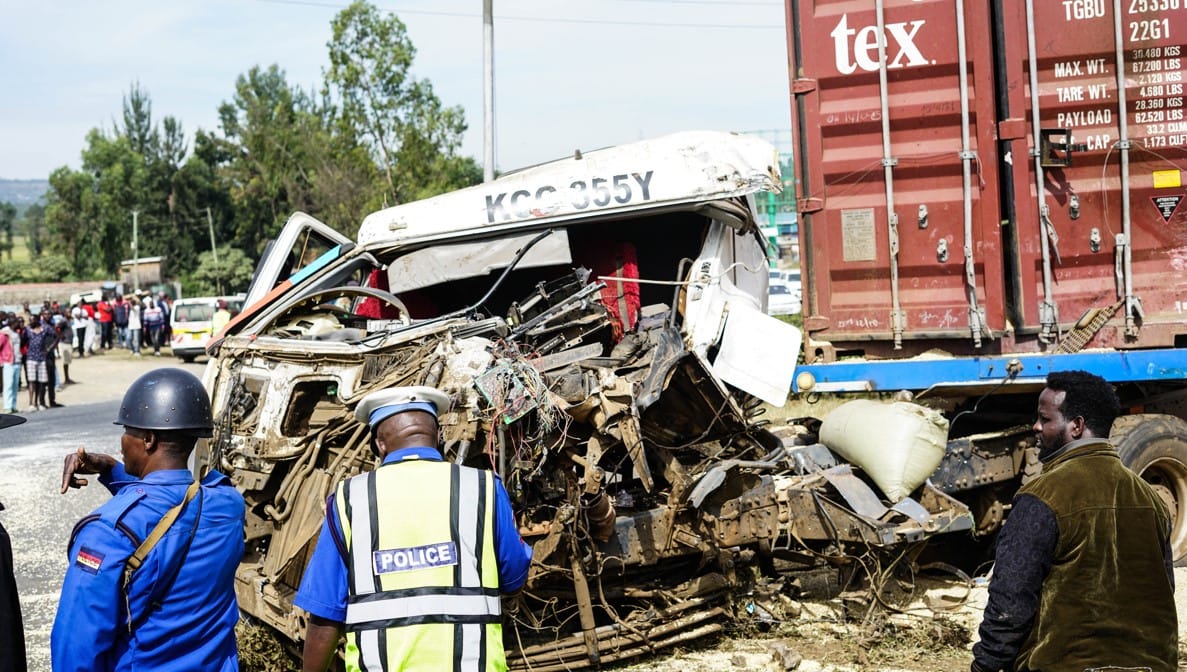

Kenya recorded 5,269 road deaths in the 12 months to August 2026, a 9.9 per cent increase, with pedestrians and motorcyclists accounting for nearly two-thirds of all fatalities.
Kenya’s road safety crisis has worsened, with new government figures revealing that 475 more people died in road accidents between September 2025 and August 2026 compared with the previous 12-month period.
The 2026 Annual Report to Parliament on the State of National Security puts road fatalities at 5,269, up from 4,794 recorded between September 2024 and August 2025.
Pedestrians were the most affected, accounting for 1,976 deaths, while motorcyclists recorded 1,386 fatalities.
Together, the two categories accounted for 3,362 deaths, representing 63.8 per cent of all road fatalities during the reporting period.
The figures highlight the disproportionate risks faced by people walking and using motorcycles on Kenyan roads, while raising questions about the effectiveness of existing road safety interventions, traffic enforcement and infrastructure planning.
Pedestrian deaths remain highest in Kenya
Pedestrians accounted for approximately 37.5 per cent of all road deaths, making them the largest category of road accident victims.
Their fatalities increased from 1,795 in the previous reporting period to 1,976, a rise of 181 deaths or 10.1 per cent.
The government acknowledges that inadequate road infrastructure remains a challenge, despite ongoing interventions to improve pedestrian safety.
According to the report, authorities have undertaken road maintenance, installed road furniture and provided pedestrian walkways in urban centres and major towns.
However, vandalism of road signage and markings continues to undermine road safety, contributing to accidents and reduced navigability.
The government also identifies the absence of a comprehensive national transport master plan as a constraint to strategic planning, investment coordination and long-term infrastructure development.
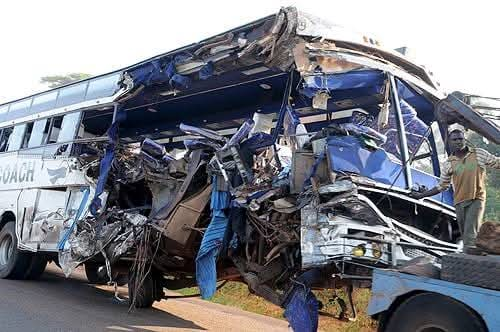
Boda boda accidents expose regulatory gaps
Motorcyclists recorded 1,386 deaths, representing a 12.1 per cent increase from the 1,236 fatalities recorded in the previous period.
Another 479 pillion passengers were killed, bringing combined motorcycle rider and passenger fatalities to 1,865.
The figures place renewed attention on the safety of Kenya’s boda boda industry, which has expanded rapidly over the past two decades.
The security report estimates that more than two million riders are actively engaged in the sector, driven by unemployment, urbanisation and demand for last-mile transport.
Despite its economic contribution, the government identifies reckless riding, inadequate rider training and failure to observe safety standards as major causes of motorcycle-related accidents.
It also points to low compliance with traffic laws, fragmented oversight and licensing enforcement gaps.
To address the problem, authorities are encouraging operators to register with structured Savings and Credit Cooperative Organisations (SACCOs), strengthen self-regulation and transition to digital application-based platforms to improve accountability.
Speeding and enforcement remain major concerns
The road safety challenge extends beyond motorcycles. The report identifies increasing incidents of reckless and drunk driving as threats to both motorists and pedestrians.
Government interventions include speed-limit checks, surveillance and speed cameras, blackspot mapping and live tracking of public service and commercial vehicles.
Authorities have also conducted driver sensitisation programmes, pedestrian awareness campaigns, medical screening and multi-agency traffic enforcement operations.
However, the persistence of rising fatalities raises questions about whether these interventions are achieving sufficient results.
The government plans to digitise crash data collection, vehicle registration and driver licensing to strengthen evidence-based policymaking and enforcement of traffic penalties.
It also proposes tougher measures targeting dangerous driving, improved emergency response systems and infrastructure investment in high-risk areas.
December records highest road fatalities
December recorded the highest number of deaths, with 567 fatalities compared with 466 during the corresponding period in the previous year.
The report suggests that increased festive-season traffic may have contributed to the spike.
March also experienced a sharp increase, with deaths rising from 387 to 473, representing a 22.2 per cent jump.
The government says it will establish County Transport and Safety Committees to strengthen local road safety planning and coordination.
But with pedestrians, motorcycle riders and their passengers continuing to account for a substantial proportion of fatalities, the latest figures expose the scale of Kenya’s road safety challenge.
The central test for authorities will be whether planned infrastructure improvements, stronger enforcement and better regulation can translate into fewer deaths.