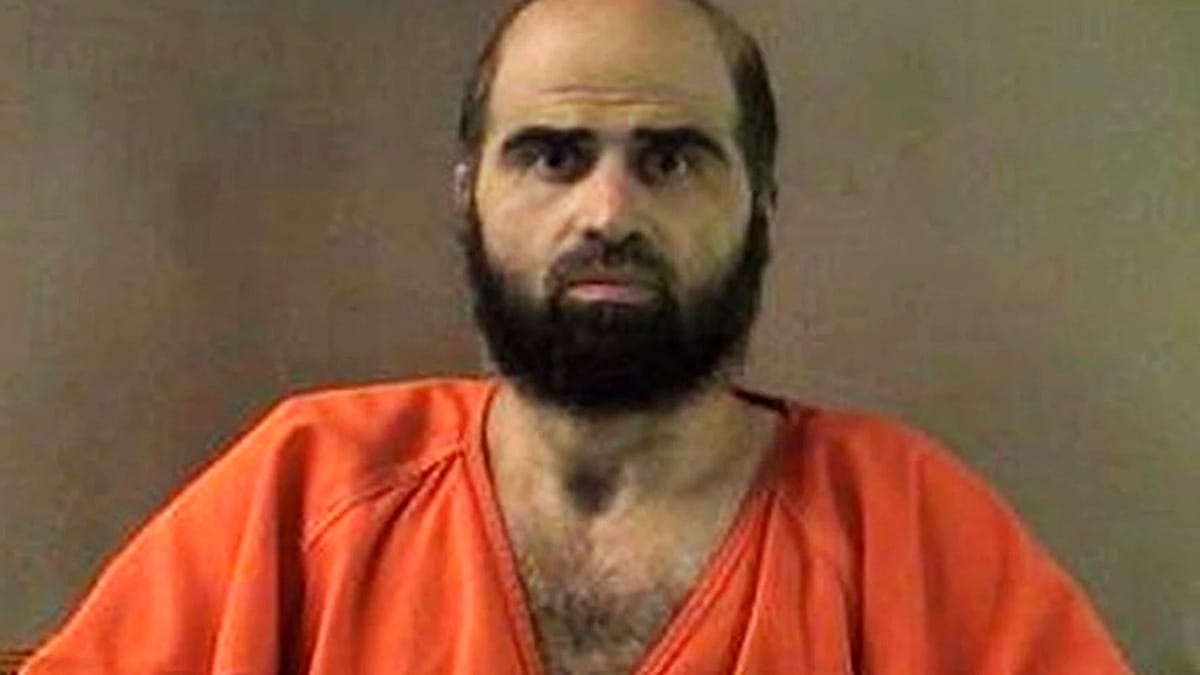
The Pentagon’s plan to livestream the scheduled execution of former US Army Major Nidal Malik Hasan has triggered a growing legal and human rights debate, with the United Nations warning that broadcasting the killing could violate international protections against torture and inhumane punishment.
Hasan, who was convicted of killing 13 people and injuring 32 others during the November 5, 2009, shooting at Fort Hood, Texas, is scheduled to be executed by firing squad on December 3, 2026, at the military installation where the attack occurred.
The US Army has announced the execution date, while the Pentagon has confirmed that the execution is intended to be livestreamed. The proposed broadcast would be an unprecedented development in modern US military executions, raising questions about the rules governing military punishment, public access and the treatment of prisoners.
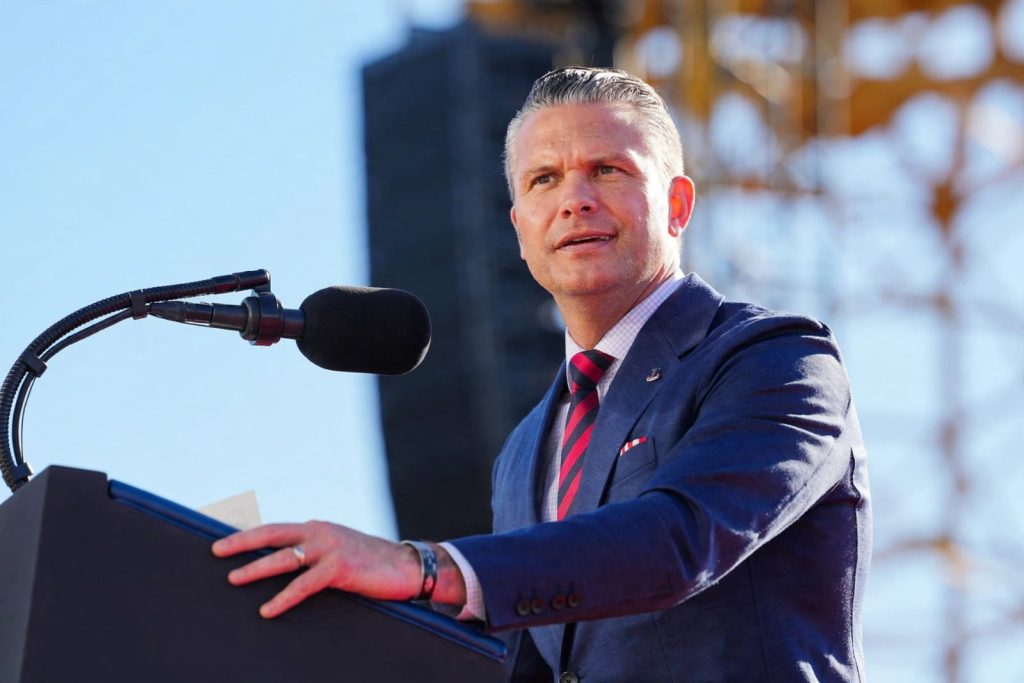
The execution has been approved by President Donald Trump following a recommendation from Defence Secretary Pete Hegseth. However, it remains scheduled rather than completed, and potential legal proceedings could affect the timetable
UN raises legal concerns
The United Nations has strongly criticised the proposed livestream, arguing that broadcasting an execution could breach international human rights standards.
UN human rights office spokesperson Shabia Mantoo said the livestreaming of an execution was tantamount to a public execution and would breach the prohibition of torture.

The UN also warned that such a practice could constitute cruel, inhuman or degrading treatment or punishment, potentially raising questions about the right to life under international law.
The criticism places the US administration under international scrutiny over whether the proposed broadcast is compatible with its human rights obligations.
The UN’s position concerns the proposed public transmission, rather than changing the fact that Hasan was convicted and sentenced to death under the US military justice system.
Legal challenges remain
Whether the livestream can be stopped through the courts remains uncertain.
Legal experts have said Hasan himself may have the clearest legal standing to challenge the broadcast. However, the Army’s execution regulations do not specifically address livestreaming, leaving unresolved questions about how existing restrictions would apply to an online audience.
Brenner Fissell, a Villanova University law professor specialising in military justice, questioned whether anyone other than Hasan would have the legal standing to seek an injunction against the broadcast.
One potential complication concerns regulations prohibiting people under 18 from witnessing military executions. Fissell said it was unclear whether a livestream would fall within the meaning of those rules.
Legal expert Eugene R. Fidell, who specialises in military law, said he saw limited prospects for a challenge brought by someone other than Hasan, while acknowledging that Hasan could pursue a federal court petition challenging his execution.
No outcome can be assumed, and it remains unclear whether Hasan will seek further legal action against the sentence or the planned broadcast
Political backlash grows
The livestream proposal has also drawn criticism from US lawmakers across party lines, exposing divisions over how the government should carry out and present the punishment.
Republican Representative Austin Scott said he supported Hasan’s death sentence but opposed broadcasting it publicly.
“Live-streaming executions is what jihadists do,” Scott wrote in a statement reported by ABC News.
Adam Smith, the top Democrat on the House Armed Services Committee, also criticised the plan, arguing that broadcasting an execution risked turning the justice system into a spectacle.
Vice President JD Vance has expressed doubts about the proposal and said he would not watch the execution if it were broadcast. His remarks added to questions over whether the administration would proceed with the livestream as announced.
The debate has therefore extended beyond capital punishment to the purpose and consequences of making a state execution available for public viewing
December date stands
Hasan’s execution is scheduled for December 3 at Fort Hood, with the proposed livestream expected to make the event accessible to viewers beyond the military installation.
Hasan, a former Army psychiatrist, was convicted by a military jury in 2013 after representing himself during the trial. The shooting killed 13 people and wounded 32 others, making it one of the deadliest attacks on a US military installation.
The planned execution would be the first carried out by the US military since 1961. The use of a firing squad would also mark the first such military execution since the Second World War.
The Federal Communications Commission has said it would defer to the Pentagon on decisions concerning a potential broadcast on television. The Pentagon, however, has announced a livestream without confirming that television networks will carry it.
As of October 10, the execution remains scheduled, but its legal and logistical arrangements remain subject to developments. Any court challenge, if filed and successful, could affect the timetable or the proposed broadcast.
The immediate question is no longer simply when Hasan will face execution, but whether the US government will proceed with a public livestream amid mounting legal, political and international human rights objections.