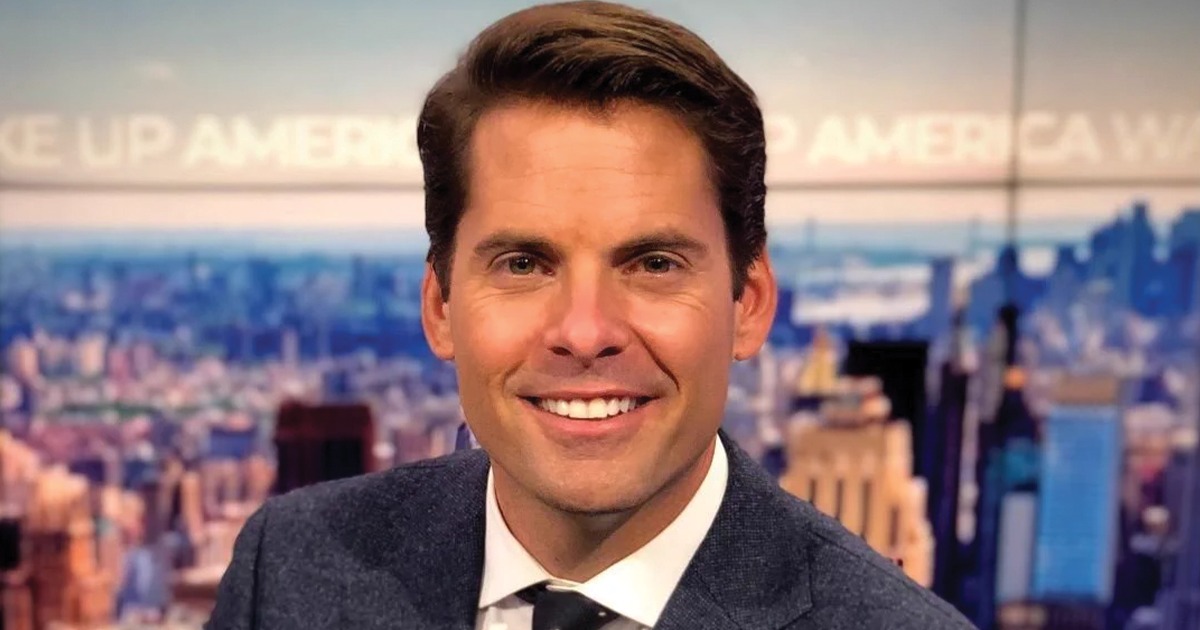
Newsmax journalist Rob Finnerty has apologised to Kenyans after facing widespread criticism for remarks in which he suggested that some parts of New York City were beginning to resemble Nairobi amid changes linked to immigration.
Finnerty issued the apology on Tuesday, October 13, 2026, acknowledging that he had misspoken during a broadcast that triggered an online backlash, particularly among Kenyans who questioned why the Kenyan capital had been used as a negative comparison.
In his statement, the journalist expressed regret over the remarks and recognised the pride Kenyans have in their country and its capital.
“I want to offer an apology to the people of Nairobi, Kenya. The passion you have for your city and homeland is amazing… We all make mistakes. I misspoke, and I am sorry to anyone I have offended,” Finnerty said.
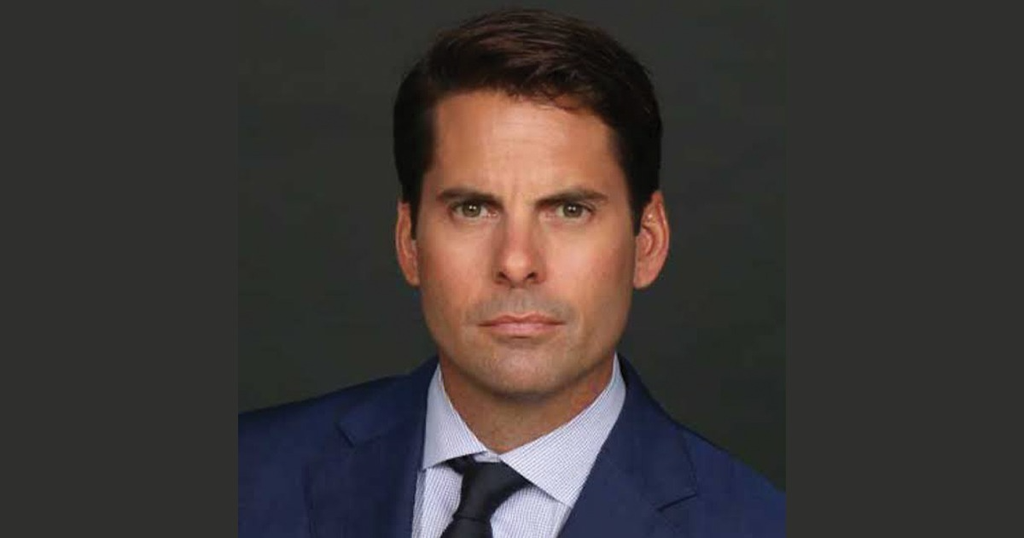
The apology followed criticism from Kenyans who accused the journalist of relying on negative stereotypes about African cities while discussing immigration and changing urban conditions in the United States.
What Finnerty Said About Nairobi
The controversy arose during a Newsmax segment examining immigration, street conditions and the growing presence of delivery workers in New York City.
During the broadcast, Finnerty argued that immigration from developing countries under former US President Joe Biden had altered the character of some American cities, particularly those governed by Democrats and operating sanctuary-city policies.
“They move to blue sanctuary cities, and the cities then start to look more like Nairobi than New York City,” he said.
Finnerty also questioned the extent to which mainstream media outlets were reporting on the changes he described, extending his comparisons to developments in the United Kingdom and France.
The segment included interviews with people who identified themselves as originating from countries such as Guatemala, Bangladesh, Burkina Faso, Senegal, Mexico and Guinea.
However, none of the individuals featured in the supplied clip identified themselves as Kenyan or as coming from Nairobi, a detail that became a major point of contention among critics.
Kenyans Demand an Apology
Finnerty’s comments quickly drew reactions on social media, with Kenyans questioning the decision to invoke Nairobi in a discussion about immigration and urban challenges in American cities.
Some users directed their criticism at both the journalist and Newsmax, demanding an explanation for the comparison and calling for an apology to Nairobi residents.
Critics argued that the remarks appeared to portray Nairobi as a symbol of urban decline without providing evidence to support the comparison.
Others questioned why the Kenyan capital had been singled out when the people interviewed in the segment came from several other countries.
The backlash eventually prompted Finnerty to address Kenyans directly, expressing regret over the language he used during the broadcast.
Debate Over Foreign Media Portrayal of African Cities
The controversy has also revived a broader debate about how African cities are represented in international media, particularly in discussions involving immigration, insecurity, infrastructure and urban living conditions.
For some Kenyans, the comparison touched on longstanding concerns that foreign commentators often use African cities as shorthand for poverty, disorder or underdevelopment, overlooking the diversity and transformation taking place across the continent.
Nairobi is one of East Africa’s major commercial and technological hubs, hosting regional headquarters for multinational companies, international organisations and businesses operating across the continent.
The city, however, also faces challenges associated with rapid urbanisation, including traffic congestion, pressure on public services, housing shortages and unequal access to infrastructure.
These realities have fuelled debate over whether international comparisons offer meaningful context or simply reinforce stereotypes when they are made without clear evidence or consideration of the circumstances involved.
Finnerty’s apology marks a response to the criticism, although it does not settle the wider debate about the language foreign media personalities use when discussing African cities.
The incident highlights the growing ability of Kenyans to challenge international media narratives through social media, where remarks about the country can quickly attract scrutiny beyond national borders.