President William Ruto’s visit to Moscow presents Kenya with a diplomatic challenge beyond trade and investment: securing answers about Kenyans recruited to fight for Russia in the war against Ukraine, including those reported killed, missing or held as prisoners of war.
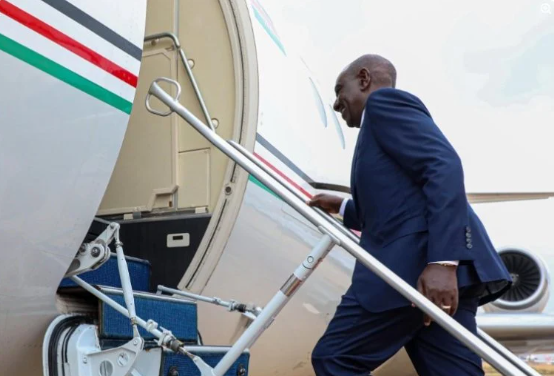
Ruto departs for Russia to attend the Third Russia-Africa Economic and Humanitarian Forum, according to a statement released by State House on Tuesday. His visit comes as families seek information about relatives who travelled to Russia and subsequently became involved in the conflict.
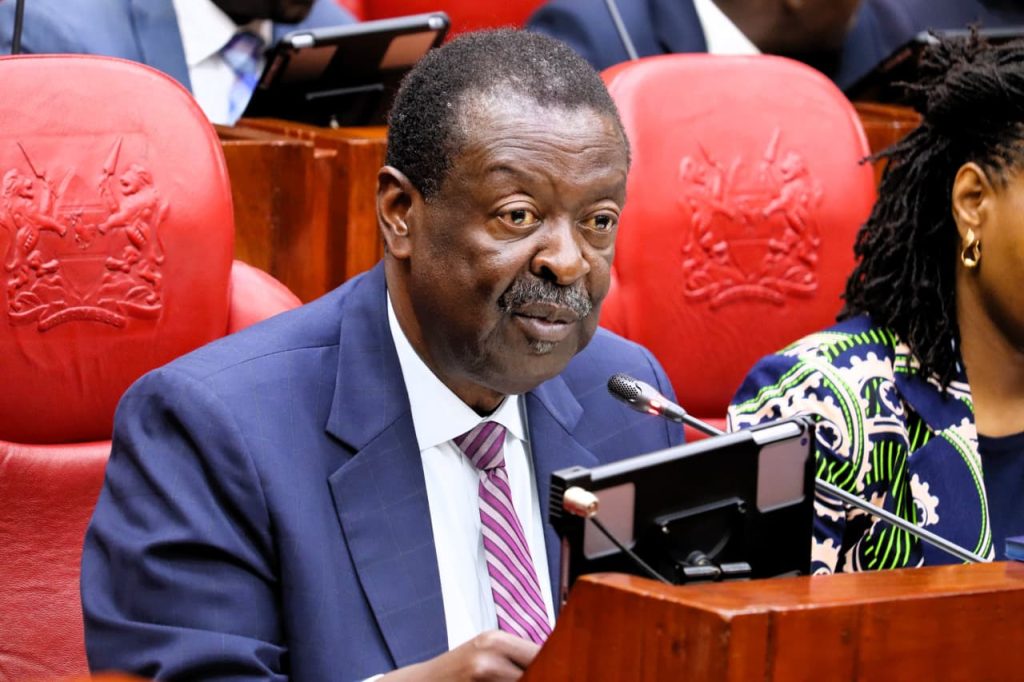
The government’s figures underline the scale of the issue. Foreign Affairs Cabinet Secretary Musalia Mudavadi told Parliament on October 8 that Kenya had recorded 354 nationals connected to the Russia-Ukraine conflict, including 84 reported killed or missing in action.
Another 52 were classified as having unknown or unconfirmed whereabouts in the parliamentary figures. The categories must be kept distinct because they describe different circumstances.
For families still waiting for confirmation, the central question is whether Kenya’s diplomatic engagement with Moscow can produce verifiable information about individual cases.
Missing Kenyans put Kenya-Russia relations under scrutiny
In its October 27 statement, State House spokesperson Hussein Mohamed said Ruto would pursue expanded export markets, foreign investment, job creation and cooperation in technology.
The President is expected to seek greater access for Kenyan tea, coffee, cut flowers, fresh produce and value-added products. Other priorities include investment in manufacturing, agro-processing, energy and infrastructure.
The statement also said African leaders would engage Russia on “efforts to address global peace, regional security challenges, promote peaceful resolution of conflicts and strengthen regional stability.”
However, it did not explicitly confirm that Ruto would raise the cases of missing Kenyan recruits in bilateral talks or announce a plan to secure the return of deceased nationals.
That leaves an important question unanswered: will the humanitarian crisis feature directly in Kenya’s discussions with Russian authorities?
Government figures and recruitment concerns
Mudavadi has told Parliament that the government is working through diplomatic channels to trace missing nationals, pursue the release of prisoners of war and facilitate the return of Kenyans seeking to leave the conflict.
The government has also said Kenya was included on a Russian recruitment “Stop List” intended to prevent further enlistment of Kenyan nationals.
“The Embassy of Kenya in Moscow has since confirmed that no additional Kenyan nationals have been enlisted in the Special Military Operation following the implementation of the Stop List,” Mudavadi said.
But questions remain over the overall number of Kenyans recruited and the circumstances in which they entered military service.
During parliamentary proceedings, petitioner Peter Kamau presented a list containing approximately 841 Kenyan recruits, substantially more than the government’s recorded figure. Mudavadi said the list required verification.
The difference between the figures highlights the need for a reconciled register to establish who travelled to Russia, who entered military service and who remains unaccounted for.
Families of Kenyans reportedly recruited after being promised civilian employment have sought government intervention to establish the fate of their relatives. Their concerns include missing persons, reported deaths, access to prisoners and the return of remains.
The cases raise broader questions about recruitment networks, the protection of Kenyan citizens abroad and the government’s ability to respond when nationals become involved in a foreign conflict.
State House has not confirmed that the Moscow visit will produce specific commitments on these issues.
For Kenya, the forum offers an opportunity to pursue economic partnerships while engaging Russia on regional security and conflict resolution. For families, however, the immediate priority is not a trade agreement but reliable information about loved ones whose whereabouts remain uncertain.
A test for Kenya’s diplomatic engagement
Ruto’s visit does not, by itself, establish that Russia will agree to new measures on missing Kenyans. Any assessment of the outcome will depend on what the two governments confirm and whether that leads to practical progress.
Potential measures include exchanging verified lists of missing nationals, sharing information about hospitalised personnel and prisoners, identifying deceased Kenyans and facilitating the return of those seeking repatriation.
These are possible outcomes, not commitments announced by State House.
As Ruto heads to Moscow, the unresolved cases present Kenya with a clear diplomatic challenge: translating engagement with Russia into information that families can verify and action that affected citizens can see.