

More than 350 Kenyan migrant workers have been forced to abandon their employment journeys to Saudi Arabia, raising fresh concerns over the impact of the Kingdom’s Ebola-related travel restrictions on Kenyans seeking opportunities abroad.
The workers returned to Kenya on Monday, November 2, after Saudi authorities denied them entry despite their possession of valid work visas, leaving them stranded in transit for four days at Sharjah Airport in the United Arab Emirates.
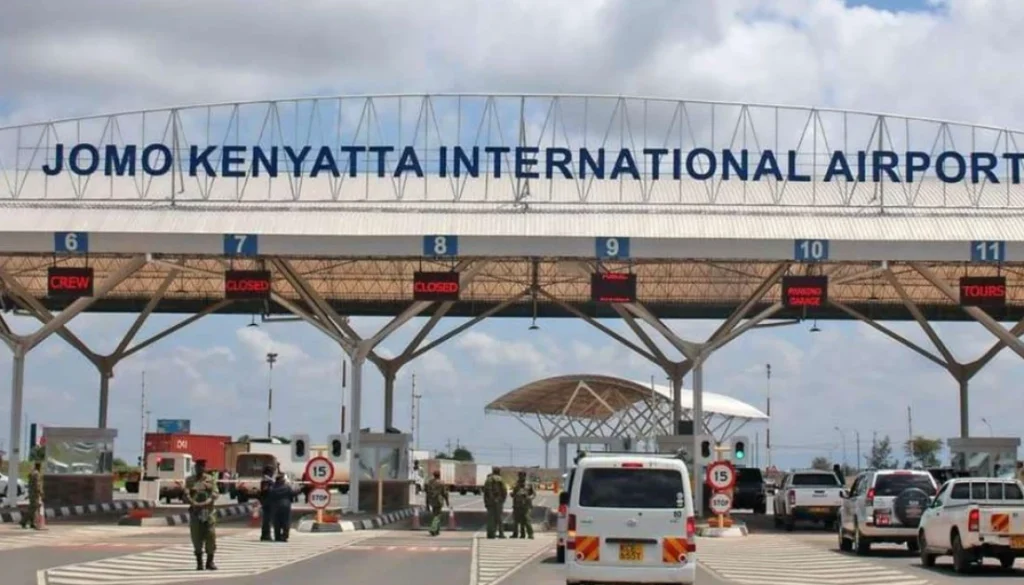
They arrived at Jomo Kenyatta International Airport (JKIA) at approximately 1:30 pm, having been forced to make an unexpected journey back home instead of beginning their anticipated employment.
For many of the affected workers, the disruption represents more than an interrupted trip, with uncertainty now surrounding their job offers, immigration documents and the possibility of securing alternative travel arrangements.
One of the returnees, Mary Njau, said the group had left Kenya with high expectations but was disappointed after being denied entry into Saudi Arabia.
“We have come back, and it is very much frustrating. We had a lot of hopes, but when we arrived at the nation we were very much disappointed. We urge for the intervention of the government,” Njau told KBC.
The workers have appealed to the Kenyan government to intervene diplomatically and engage Saudi authorities to find a solution, warning that continued restrictions could leave them without employment opportunities as their visas approach expiry.
The crisis follows Saudi Arabia’s October 30 decision to restrict travel involving Kenya amid concerns over the Ebola outbreak.
Under the measures, Saudi citizens were barred from travelling to Kenya, while the Kingdom suspended the issuance of all categories of visas to Kenyan travellers.
Authorities also prohibited entry to travellers who had been in Kenya or another country experiencing an active Ebola outbreak within the preceding 21 days, including those attempting to reach Saudi Arabia through third countries.
The restrictions have since triggered diplomatic concern in Nairobi, with Kenya formally protesting the decision through a diplomatic note.
The government argued that the measures were disproportionate and lacked sufficient scientific justification, maintaining that the nine confirmed Ebola cases recorded at the time were linked to a single cluster originating from an imported infection, with no evidence of community transmission.
Kenya has also opened diplomatic engagements with Saudi Arabia and Kuwait in an effort to secure a review of the restrictions. Both countries agreed to relay Nairobi’s concerns to their respective governments and facilitate technical discussions.
The implications extend beyond the hundreds of workers recently returned home.
Government estimates indicate that more than 350,000 Kenyans were living and working in Saudi Arabia as of July 2026, making the Kingdom one of the largest destinations for Kenyan migrant labour.
The ongoing dispute therefore threatens to disrupt an important employment corridor, with prospective workers facing uncertainty over travel arrangements while those already employed could be concerned about the wider implications of the restrictions.
For the hundreds who arrived back at JKIA on Monday, the immediate concern is whether diplomatic intervention will come in time to salvage the employment opportunities they had travelled abroad to pursue.