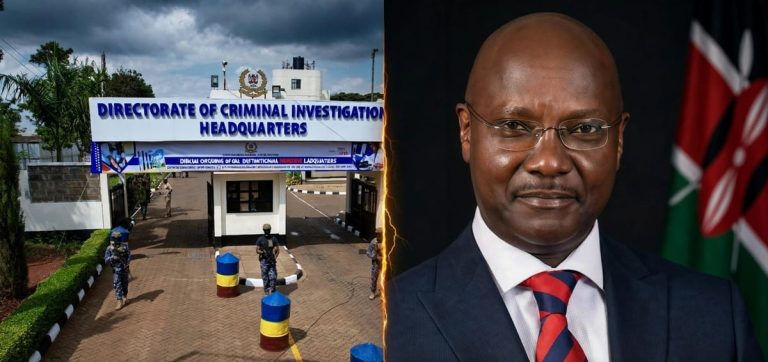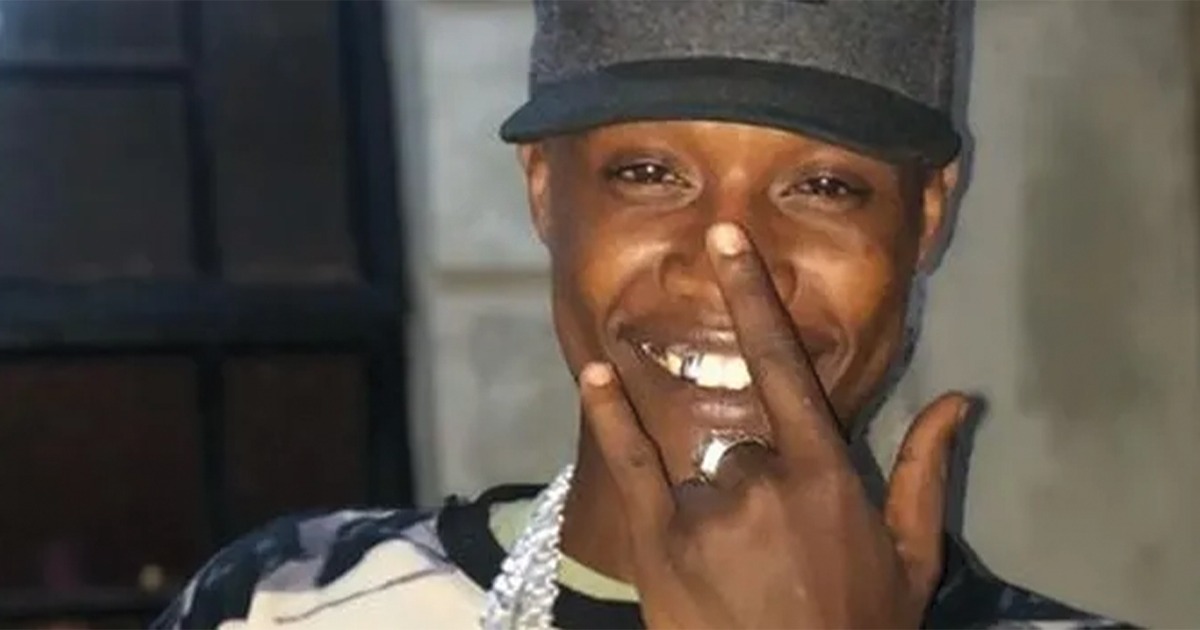
The fatal shooting of Ihab Salim Kariuki, known as Bugii King Ihab, in April 2020 ended a police pursuit of a man linked by investigators to serious crimes.
But questions remain over the evidence behind the allegations, an earlier murder case and the circumstances of the police operation.
On 29 April 2020, detectives attached to the Directorate of Criminal Investigations (DCI) Special Service Unit shot dead Kariuki and another man in the Kamakis area of Ruiru.
Police had linked the two men to the killing of Rodgers Opiyo, a Meru University student who was reportedly buying medicine for his sick mother at a chemist in Nairobi’s Umoja estate when he was shot.
Detectives said they had traced the suspects to the Ruiru area. A pistol and a motorcycle were recovered after the confrontation.
However, the deaths did not, by themselves, establish the suspects’ responsibility for the alleged crimes or resolve questions about the evidence and the police operation.

A student’s final errand
Opiyo’s killing prompted a police search for those responsible.
According to contemporaneous reporting, three men entered the chemist on the evening of 24 April 2020, allegedly posing as customers. Opiyo reportedly recognised one of them during the robbery.
Then Buruburu sub-county police commander Adamson Bungei said: “In the process the man identified one of them and called out his name.”
According to the police account, one of the assailants drew a pistol and shot Opiyo before the men fled.
Bungei said officers were pursuing the suspects. “We must get them. This is sad. There will be justice to this incident,” he told the newspaper.
Five days later, reports emerged that Kariuki and his alleged accomplice had been fatally shot during a police operation in Ruiru.
Police linked the men to Opiyo’s killing. However, the contemporaneous reports available for this article do not establish the subsequent status of all investigative leads or whether the family received a final account of the case.
An earlier murder charge
Kariuki had also been linked to an earlier fatal robbery in Umoja. On 30 April 2020, he had been charged at Makadara Law Courts in May 2018 with the murder of James Ndae Chege, who was killed on 19 September 2015.
The report quoted a senior Special Service Unit detective as saying: “One of the slain suspects had a robbery case before court in which he robbed and killed a man in Umoja.”
The statement reflects the detective’s account, not a judicial finding of guilt.
What happened to the case after Kariuki’s death remains a key question. The published report establishes that he had been charged but does not establish the final disposition of the proceedings.
Court records would be needed to confirm whether the case was formally terminated, what evidence had been presented and whether related investigations continued.
A murder charge is not a conviction. Establishing the case’s outcome is essential before drawing conclusions about whether the victim’s family obtained justice.
Questions over shooting
Contemporaneous reports placed the fatal encounter in the Kamakis area along the Eastern Bypass, near Ruiru.
The then Kiambu police boss Ali Nunow (Coast Regional Police Commander) described the operation.
“At around 11am, we received information that they had been spotted along Eastern Bypass. The two were fatally injured as we engaged them,” Nunow said.
The newspaper reported that officers had called on the men to surrender before a shootout lasting more than an hour. Police said they recovered a pistol and a motorcycle.
The following day, the recovered firearm was a Heckler & Koch P30 pistol and was due to undergo ballistic examination. The reports reviewed for this article do not establish the subsequent findings.
The recovery of a firearm does not, on its own, prove that it was used in a particular crime. Ballistic findings, witness statements and other forensic evidence would be needed to establish any connection.
The published accounts also do not independently establish every detail of the encounter or whether an independent investigation into the deaths was conducted.
The questions are specific: Were post-mortem examinations conducted? Were the firearm and other evidence forensically examined? Did the Independent Policing Oversight Authority investigate the deaths, and were any findings made public?
Answers would help establish whether the operation was properly scrutinised. They would not, by themselves, determine the suspects’ responsibility for the earlier allegations.
Evidence still missing
Kariuki’s social media activity also featured in coverage of his death. A Facebook account associated with him contained posts projecting a confrontational image.
One post reproduced by the newspaper read: “Even though I’m marked for death, I’m gonna spark till my last breath.”
Such posts may offer context about a person’s public persona, but they do not establish responsibility for a specific crime.
Other allegations linked Kariuki to a robbery in Mururui in which a businessman was reportedly robbed of Ksh350,000. The contemporaneous reports reviewed for this article do not independently establish that amount or the full circumstances of the alleged incident. It should therefore remain an attributed allegation unless corroborated.
The outstanding questions require documentary evidence, not speculation. Court records could establish the outcome of the Chege murder case. Police and forensic records could clarify the evidence linking the suspects to Opiyo’s killing. Records from IPOA could establish whether the fatal operation was independently examined.
Interviews with the victims’ families would also help establish what information they received from investigators and prosecutors. The DCI, IPOA and relevant prosecutors should be allowed to respond.
The available contemporaneous reporting does not establish whether these questions were subsequently resolved.
Kariuki’s death ended the police pursuit. It did not, by itself, establish the truth of every allegation associated with his name or demonstrate that the cases involving the victims had concluded.
For Opiyo’s family, the central issue is what investigators established about his killing. For Chege’s family, it is what became of the reported murder proceedings.
A suspect’s death may end a prosecution against that individual. It does not remove the need to establish the facts, account for the evidence or answer the questions left behind.