The High Court’s decision to nullify the Government’s sale of a 15 per cent stake in Safaricom has opened a new business question worth more than Ksh200 billion: what happens to the money and shares if the judgment ultimately stands?
The Government sold the stake to Vodacom through Vodafone Kenya for Ksh204.3 billion at Ksh34 per share, with the transaction completed on June 30, 2026. The deal increased Vodacom’s effective holding in Safaricom to about 55 per cent.
But on September 15, the High Court declared the divestiture invalid and ordered the 15 per cent stake to be restored to the Government on behalf of the people.
The judgment has therefore created an unusual corporate situation: the shares have already changed hands, the Government has already received the sale proceeds, and Vodacom has already incorporated the enlarged Safaricom holding into its ownership structure.
Safaricom said it is reviewing the judgment and its implications, while stressing that the matter remains subject to further legal processes.
“Given that the matter remains subject to legal processes, further updates will be provided in due course and as appropriate,” the company said in its market announcement.
The Ksh204.3B question
At the centre of the dispute is the Ksh204.3 billion paid for the Government’s 15 per cent stake.
The High Court ordered the shares to be restored to State ownership after finding that the divestiture did not comply with constitutional and legal requirements, including meaningful public participation and disclosure of material information.
However, the court ruling does not mean the practical unwinding of the transaction has already occurred.
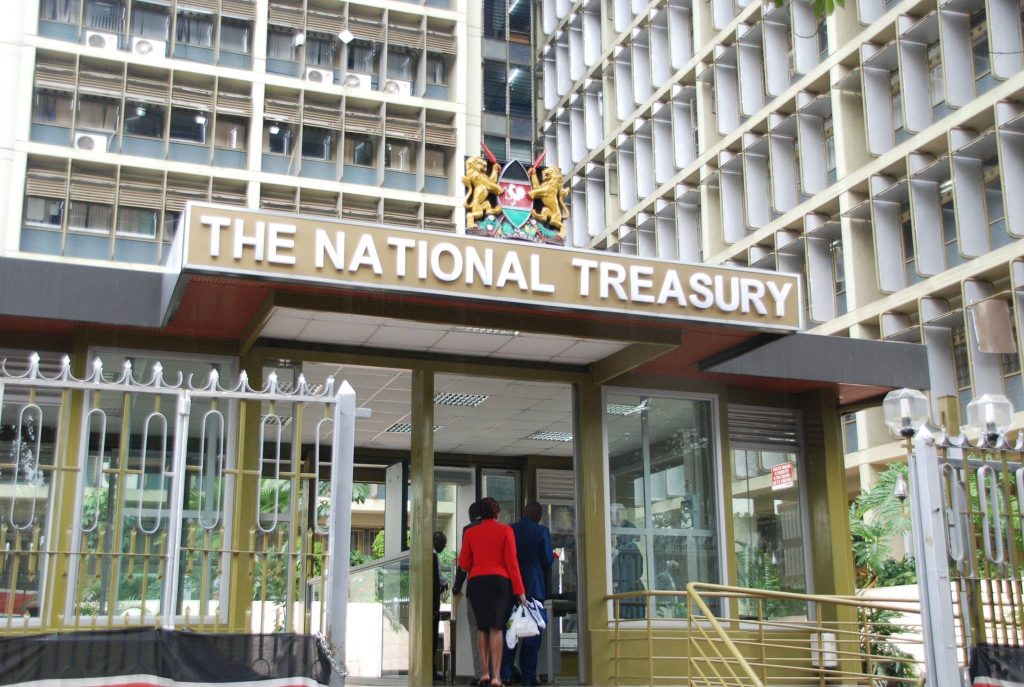
The Government has moved to appeal the judgment. Treasury Cabinet Secretary John Mbadi said the State would challenge the decision at the Court of Appeal.
Vodacom has also said it will appeal and seek a stay of the High Court decision pending determination of the appeal.
That means the Ksh204.3 billion payment sits at the heart of a potentially complicated process.
If the transaction is ultimately reversed, the parties would have to deal with the financial consequences of restoring the shares. The precise mechanics will depend on subsequent court orders and the outcome of the appeal.
The bigger Ksh244B transaction
The financial picture extends beyond the Ksh204.3 billion share sale.
The Government also received about Ksh40.2 billion through an arrangement involving future dividend rights attached to its remaining 20 per cent Safaricom holding, according to reports on the transaction.
That puts the wider proceeds described in the transaction at roughly Ksh244.5 billion.
The two amounts should not be treated as the same payment. The Ksh204.3 billion was consideration for the 15 per cent shareholding, while the additional amount related to future dividend rights on the Government’s remaining stake.
This distinction could become important if the wider arrangement is affected by the eventual outcome of the legal proceedings.
Safaricom’s ownership is also in play as the transaction transformed Safaricom’s ownership structure.
Vodacom acquired the Government’s 15 per cent stake and an effective additional 5 per cent interest from Vodafone Group, taking its effective holding to approximately 55 per cent. The Government retained 20 per cent.
The High Court found that what had been presented as a partial divestiture effectively gave Vodacom control of Safaricom.
The court subsequently ordered the 15 per cent stake restored to the State.
For investors, the unresolved issue is therefore not simply whether a court ruling has been issued. It is whether and how Safaricom’s ownership structure will ultimately be changed after the appeals are exhausted.
Why the next court battle matters to business
The dispute now moves beyond the original sale and into the mechanics of reversing or preserving a completed multibillion-shilling corporate transaction.
For the Government, the stakes include the ownership of 15 per cent of one of Kenya’s largest listed companies and the financial proceeds associated with the divestiture.
For Vodacom, the dispute concerns the enlarged stake that gave it approximately 55 per cent control of Safaricom.
For Safaricom shareholders, the immediate issue is uncertainty over the final ownership structure.
The company itself has indicated that it is continuing to operate while reviewing the judgment.
Until the appeals are determined, therefore, the most important number in the Safaricom dispute may not be 15 per cent or 55 per cent.
It is Ksh204.3 billion the value attached to the shares whose ownership has now become the subject of a major legal and corporate battle.