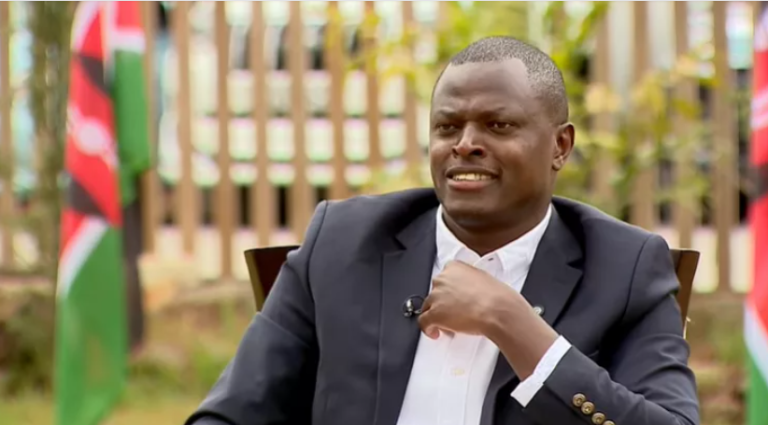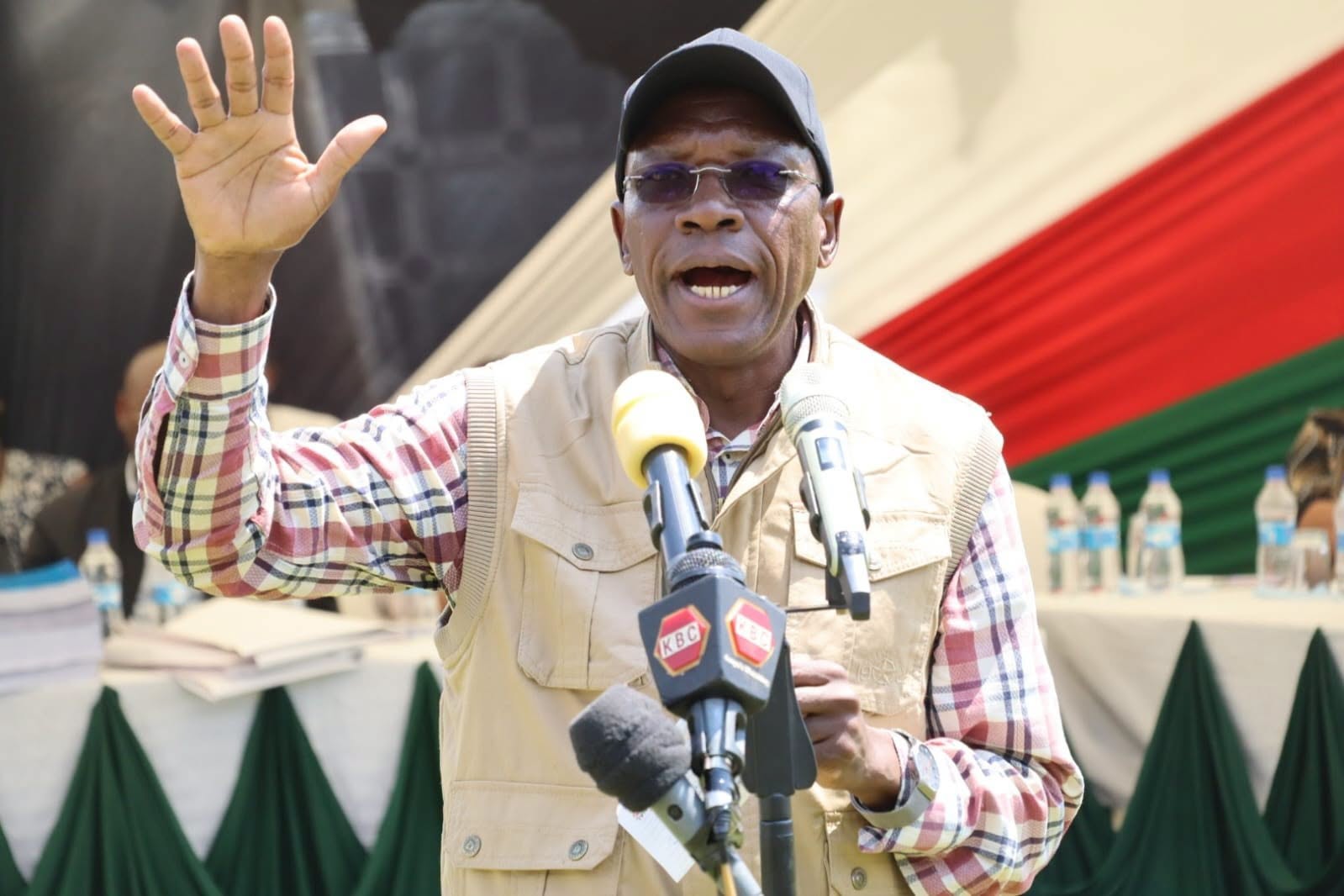
Kakamega Senator Boni Khalwale has challenged recent opinion polls showing President William Ruto leading the 2027 presidential race, claiming the Head of State cannot secure more than 10 per cent in any credible national survey.
Khalwale made the remarks on Sunday during the launch of The Equitable Party (TEP), the new political party led by Nairobi Senator Edwin Sifuna.
The launch brought together several political leaders, including Siaya Governor James Orengo, Trans Nzoia Governor George Natembeya, senators Godfrey Osotsi, Richard Onyonka and Khalwale, as well as several MPs. Sifuna was formally unveiled as TEP’s party leader.
Khalwale used the occasion to question the credibility and influence of opinion polls, arguing that surveys can shape public perceptions of political contests rather than simply measure them.
“I am the father of the opinion polling law in Kenya,” Khalwale said, before warning that opinion polls were “a double-edged sword.”
“It can cut this way and it can cut this,” he added.
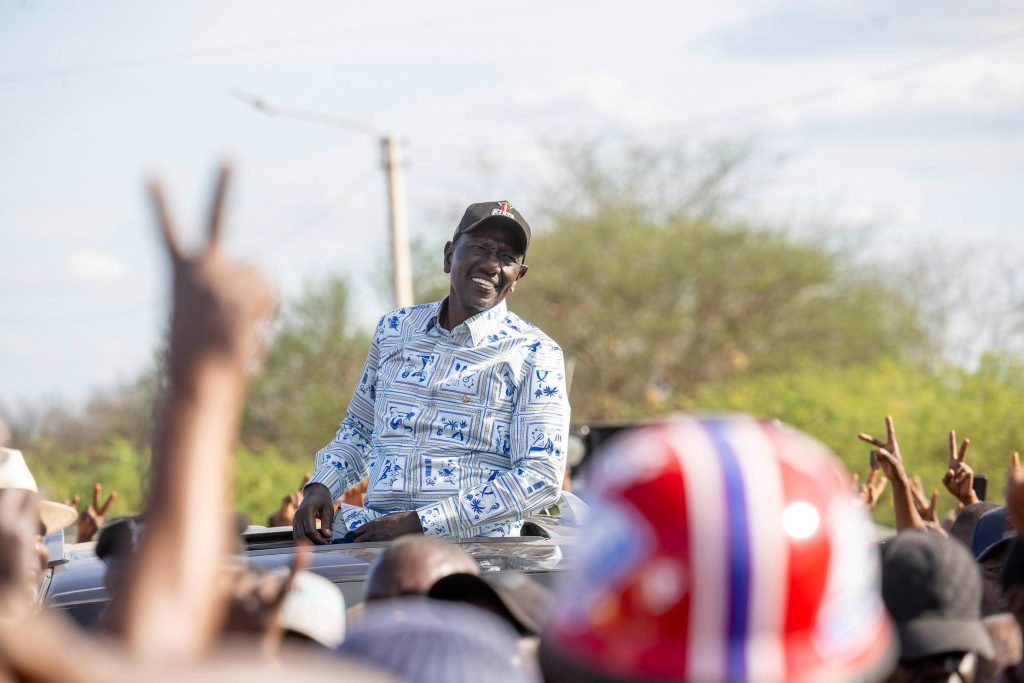
His comments came just days after Politrack Africa released a national presidential preference survey placing Ruto at 45.1 per cent, with Sifuna second at 19.6 per cent and Wiper leader Kalonzo Musyoka third at 10.3 per cent.
The Politrack survey was conducted between September 15 and 25, 2026, among 20,419 respondents across the country. The polling firm reported a 95 per cent confidence level and a margin of error of plus or minus three percentage points.
It was the latest figures showing Ruto with the largest individual share of presidential preference, although the survey itself represents a snapshot of opinion at the time of fieldwork and is not an election result or a prediction of the eventual winner.
Khalwale nevertheless rejected the figures and urged Kenyans to scrutinise polling reports instead of accepting them at face value.
“Please, Kenyans, don’t believe them,” he said.
The 2027 matrix
“Even when they say someone is leaving, find out why they are saying that. How can they tell?”
The senator then directly challenged the latest figures attributed to Ruto.
“How can they tell? Last week that William Ruto is 45 per cent?” Khalwale asked.
He followed the question with his strongest assessment of the President’s support.
“Let me tell you, William Ruto cannot score over 10 per cent in any credible poll in this country,” he said.
Khalwale also linked his concerns about opinion polling to Kenya’s political history, citing the 2007 General Election and arguing that polls had influenced public perceptions of who was leading the contest.
“It was opinion polls in 2007 that swung the country until people didn’t know who had won,” he said.
His comments put him at odds with recent polling data. The latest Politrack survey puts Ruto at 45.1 per cent, while a recent Daily Nation analysis noted that the President had consistently led a series of opinion polls released in recent months, although the individual surveys have produced varying figures.
The latest Politrack findings also show a sizeable bloc of voters who have not settled on a presidential candidate, with 8.4 per cent of respondents undecided. That figure, alongside the different results produced by polling firms, illustrates why individual surveys provide only a snapshot of political sentiment rather than a definitive measure of how Kenyans will vote in 2027.

Khalwale’s intervention comes as political parties and presidential aspirants intensify their mobilisation ahead of the 2027 General Election.
Sifuna’s launch of TEP adds another political vehicle to an increasingly fluid opposition landscape. His 19.6 per cent showing in the latest Politrack survey places him ahead of several other opposition figures, including Kalonzo at 10.3 per cent, former Interior Cabinet Secretary Fred Matiang’i at 7.2 per cent and former Deputy President Rigathi Gachagua at 6 per cent.
For Khalwale, however, the immediate issue is not simply who is leading individual polls, but whether Kenyans should trust the methodology, assumptions and interpretation behind the numbers.
His 10 per cent assessment remains a political claim and is substantially different from the 45.1 per cent reported by Politrack. The contrasting positions are likely to keep opinion polling at the centre of political debate as Kenya moves closer to the 2027 election.
For now, the emerging polling picture shows significant variation between surveys, while Khalwale has made clear that he does not accept the latest figures as an accurate reflection of Ruto’s support.