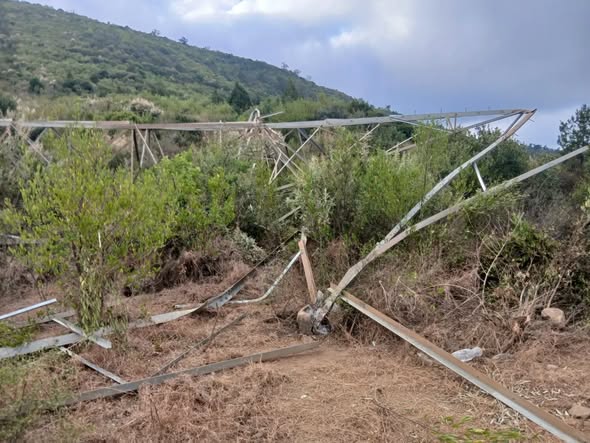
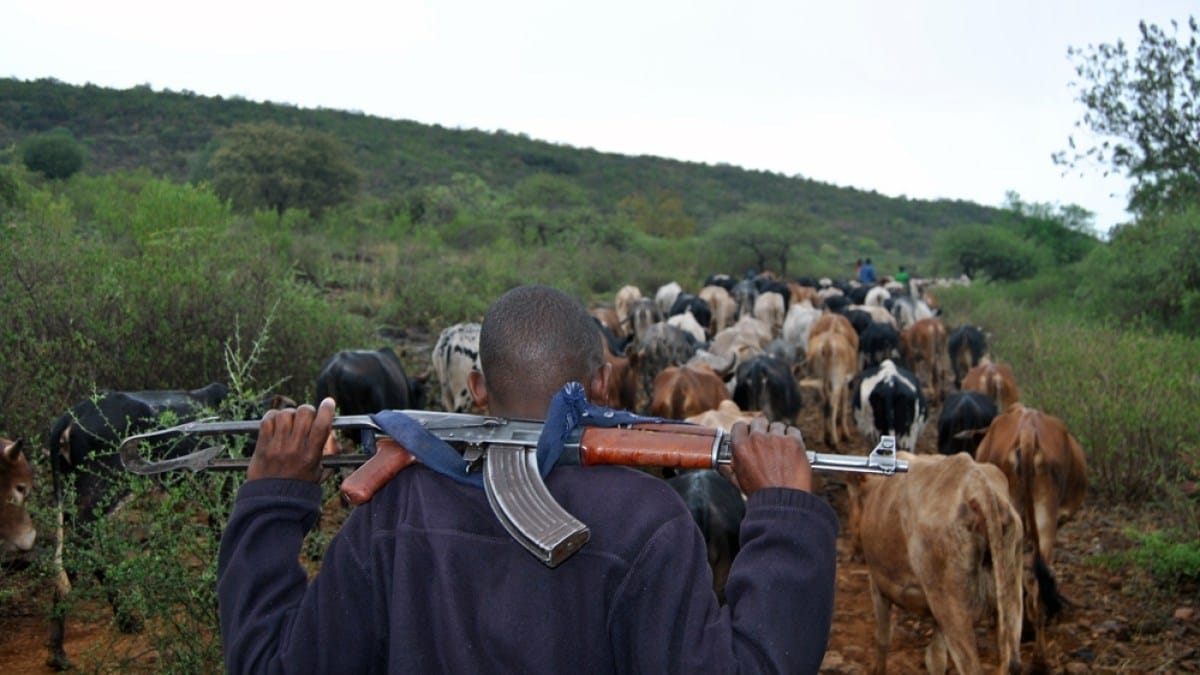

Kenya recorded a sharp increase in cattle rustling raids, with incidents rising to 913 in the year to August 2026 as livestock theft and violent attacks continued to threaten communities in parts of the country.
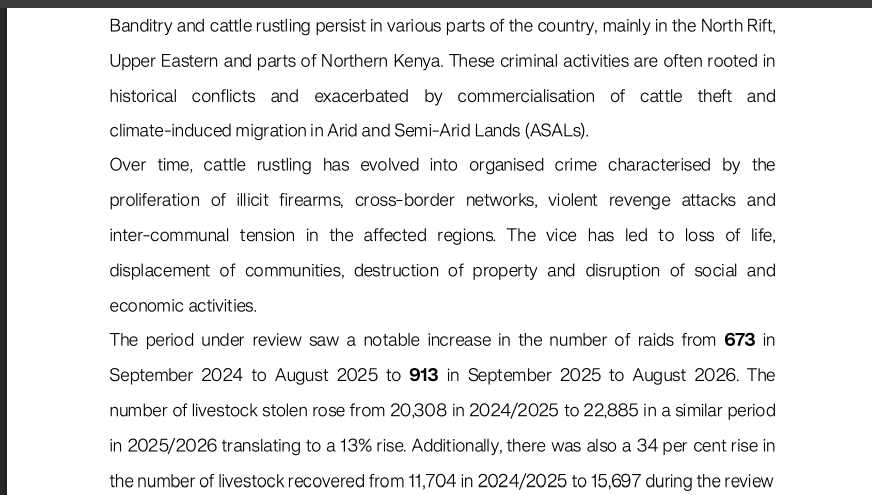
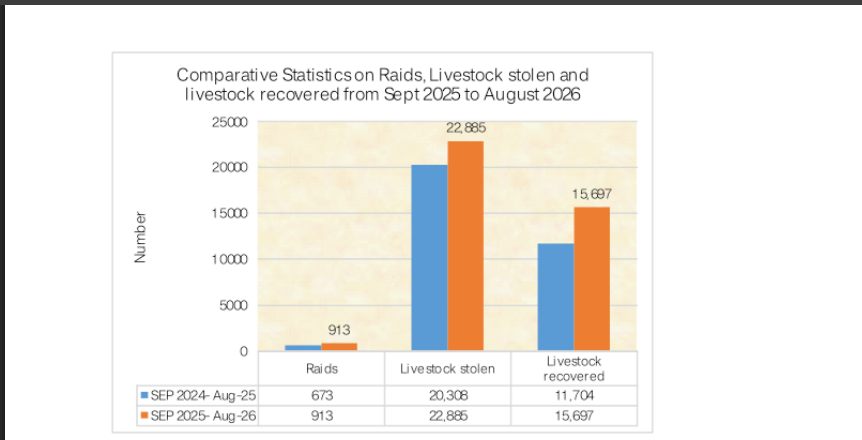
The Annual Report to Parliament on the State of National Security for 2025/2026 shows that cattle rustling raids increased from 673 between September 2024 and August 2025 to 913 in the subsequent 12-month period.
The increase of 240 raids represents a rise of approximately 36 per cent, highlighting the persistent security challenges facing livestock-owning communities, particularly in the North Rift, Upper Eastern and parts of Northern Kenya.
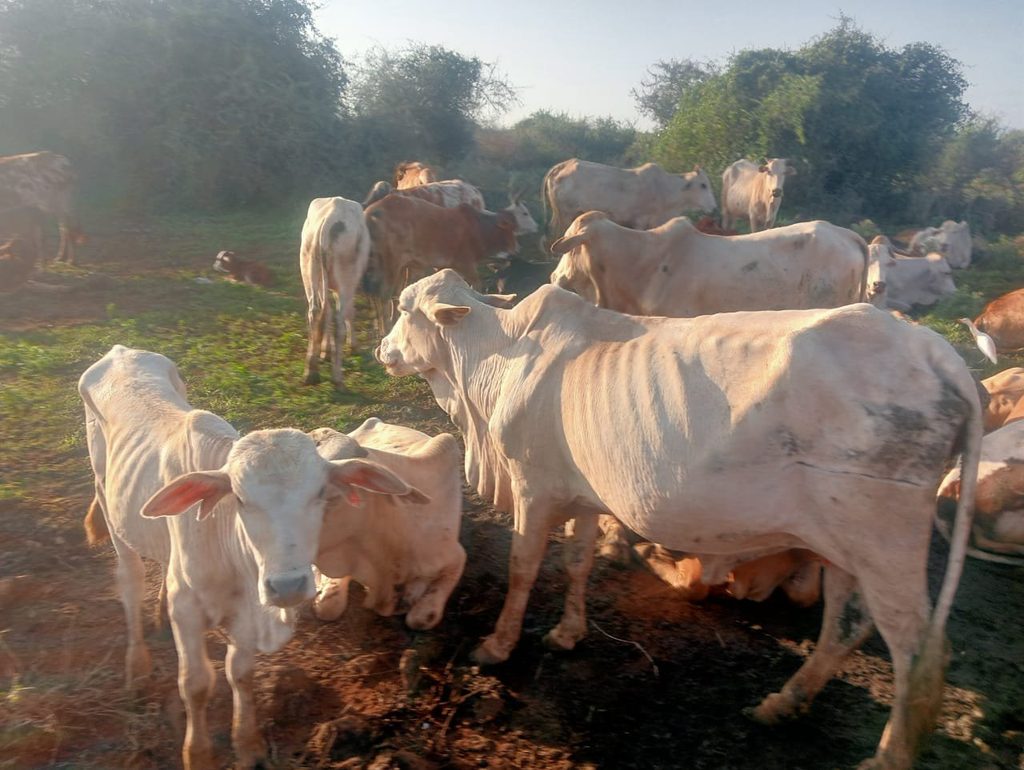
The report further reveals that 22,885 livestock were stolen during the reporting period, compared with 20,308 in the previous year, representing a 13 per cent increase.
The figures point to the growing economic and security consequences of livestock theft, which has increasingly been linked to organised criminal activity, illegal firearms and cross-border networks.
22,885 livestock stolen as cattle rustling increases
According to the report, cattle rustling has evolved beyond traditional livestock theft into a more organised criminal activity involving armed groups and violent attacks.
“Over time, cattle rustling has evolved into organised crime characterised by the proliferation of illicit firearms, cross-border networks, violent revenge attacks and inter-communal tension in the affected regions,” the report states.
The government identifies North Rift, Upper Eastern and parts of Northern Kenya as areas where banditry and cattle rustling persist.
It attributes the problem partly to historical conflicts, the commercialisation of cattle theft and climate-induced migration in Arid and Semi-Arid Lands (ASALs).
The number of livestock recovered by security agencies also increased during the period.
A total of 15,697 animals were recovered between September 2025 and August 2026, compared with 11,704 in the previous reporting period, representing a 34 per cent increase.
Despite the improvement in recoveries, the number of stolen animals continued to rise, underlining the scale of the challenge facing security agencies and affected communities.
94 killed and 108 injured in banditry attacks
The human cost of insecurity in banditry-affected areas remained high.
The national security report records 94 people killed and another 108 injured as a result of banditry attacks during the reporting period.
This compares with 93 deaths and 71 injuries in the previous year.
The number of people injured therefore increased by 52 per cent, while fatalities rose by one per cent.
Police also arrested 354 suspects in connection with banditry and cattle rustling, compared with 288 in the preceding reporting period, representing a 23 per cent increase.
The figures demonstrate that the threat extends beyond livestock losses, with communities facing deaths, injuries, displacement, property destruction and disruption of economic activities.
Why cattle rustling remains difficult to stop
The government identifies several obstacles undermining efforts to contain banditry and livestock theft.
These include porous borders that facilitate the movement and disposal of stolen animals, the continued proliferation of illegal firearms and challenging terrain that makes livestock recovery difficult.
The report also identifies limited information-sharing between communities and security agencies, citing mistrust and fear of reprisals.
Other contributing factors include climate change, competition over grazing resources and the commercialisation of cattle rustling.
These challenges make the problem more complex than ordinary livestock theft, particularly where armed networks operate across community and national boundaries.
Government recovers 2,394 illegal firearms
The government says it has intensified security operations and strengthened the capacity of security agencies operating in banditry-prone areas.
Among the measures outlined in the report is the recovery of 2,394 illegally held firearms through targeted disarmament operations.
Authorities have also established strategic security deployments and rapid-response capabilities in affected areas.
Other interventions include intelligence-led operations to recover stolen livestock, arrests of suspects, improved security roads and rehabilitation of schools affected by banditry.
The government says it has also strengthened community policing, information-sharing and peacebuilding initiatives to address disputes over grazing resources and administrative boundaries.
Going forward, it plans to improve livestock identification and traceability systems, strengthen surveillance of livestock markets and enhance cooperation with neighbouring countries to dismantle cross-border criminal networks.
The report also proposes climate-smart livestock production, sustainable management of natural resources and affordable livestock insurance schemes to help pastoral communities withstand climate-related shocks.
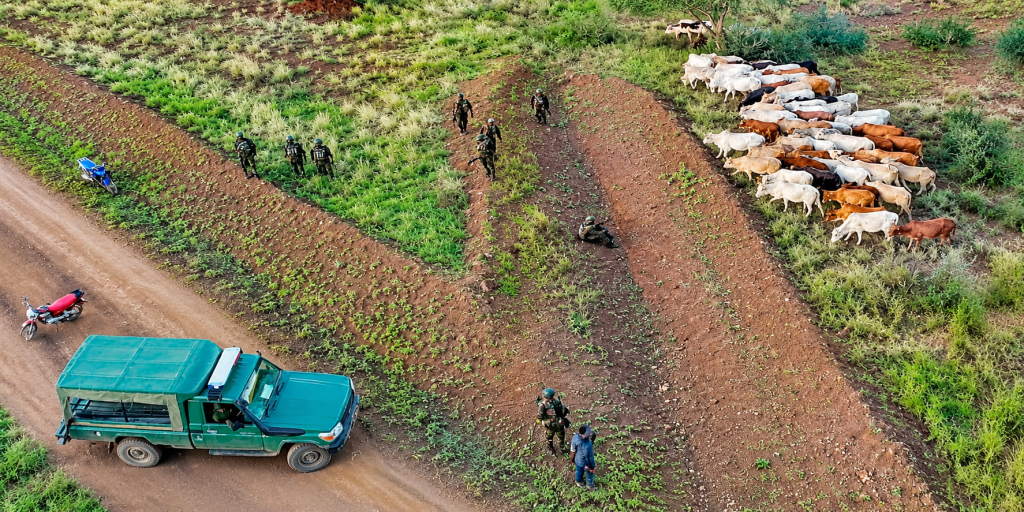
The challenge facing livestock-owning communities
The latest figures reveal a difficult security picture: more livestock are being stolen, more people are being injured in banditry attacks, and security agencies continue to confront illegal firearms and organised networks.
Although livestock recoveries and arrests have increased, the rise in raids suggests that enforcement efforts have not yet stopped the expansion of the threat.
For pastoral communities whose livelihoods depend on livestock, the challenge is not simply recovering stolen animals. It is restoring security, protecting lives and ensuring that grazing, trade and other economic activities can continue without the threat of armed attacks.