
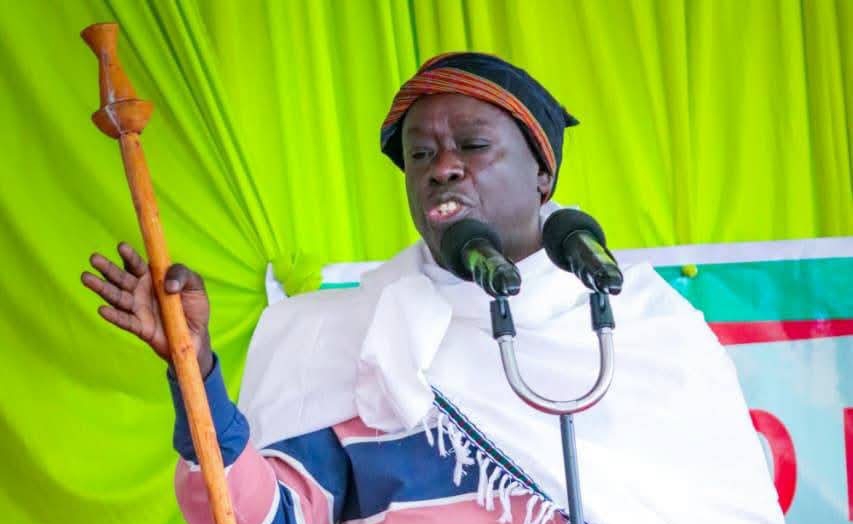
Democracy for Citizens Party (DCP) Leader Rigathi Gachagua has raised fresh concerns over the procurement of Kenya’s Integrated Elections Management System, alleging that the process is being designed to favour South Korean technology firm Miru Systems.
In a statement, Gachagua questioned the independence of the Independent Electoral and Boundaries Commission (IEBC) and challenged its chairman, Erastus Edung Ethekon, to assure Kenyans that the procurement process will be transparent and competitive.
The IEBC advertised Tender Ref. No. IEBC/OIT/01/2026-2027 on August 11 for the supply, installation, testing, commissioning, support and maintenance of an Integrated Elections Management System, including hardware and accessories. The tender is scheduled to close on September 1, 2026.
Gachagua alleged that the outcome of the tender had already been predetermined in favour of Miru Systems before the bidding process is completed.

He also claimed that IEBC had removed its procurement manager and replaced the official with what he described as a person who would facilitate the alleged plan.
Gachagua further alleged that Ethekon and IEBC Vice Chairperson Fahima Araphat Abdallah had received advance commissions to ensure Miru Systems wins the contract.
He did not provide documentary evidence in the statement to support the allegations.
Gachagua questions Miru Systems’ election record
Gachagua questioned why Kenya would consider a company whose election technology has faced controversy in other countries.
He cited the Democratic Republic of Congo, where Miru Systems supplied biometric voter registration equipment ahead of the 2018 elections, and alleged delays and equipment problems.
He also referred to reported technology challenges during the DRC’s 2023 elections and controversies surrounding election technology associated with Miru Systems in the Philippines.
Gachagua also cited claims of malfunctioning voting machines during elections in Iraq’s Kurdistan Region.
He argued that Kenya should not introduce a new election management technology less than a year before the 2027 General Election.
“Vulnerable and defective electoral voting technology threatens electoral transparency and the credibility of an electoral process,” Gachagua said.
Claims of voter suppression
The former deputy president made his most serious allegation by claiming that the proposed transition from the existing Smartmatic KIEMS technology to Miru Systems could be used to interfere with the voter register.
He alleged that the transfer of voter data could be conducted at the last minute, leaving insufficient time for voters to correct errors.
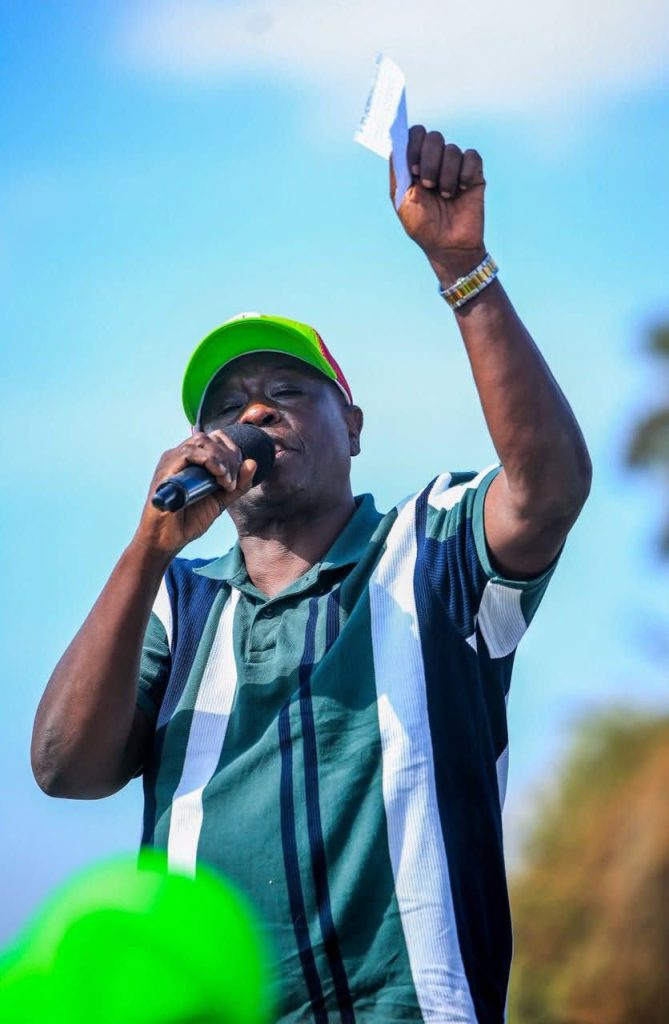
Gachagua further claimed that the alleged plan would target voters in parts of Western Kenya, Nyanza, the Mt Kenya region, Lower Eastern, Nairobi, Taveta, Lamu and selected parts of the Rift Valley.
He provided no evidence demonstrating that such a voter suppression plan exists.
The allegations come as political parties and leaders intensify preparations for the 2027 election and scrutiny of the technology that will be used to manage the vote.
Questions over tender specifications
Gachagua challenged the IEBC to explain whether the technical specifications contained in the tender were designed around Miru Systems’ products and capabilities.
He asked the commission to disclose documents showing who drafted the specifications, including minutes of internal committees, technical papers, market surveys and approval records.
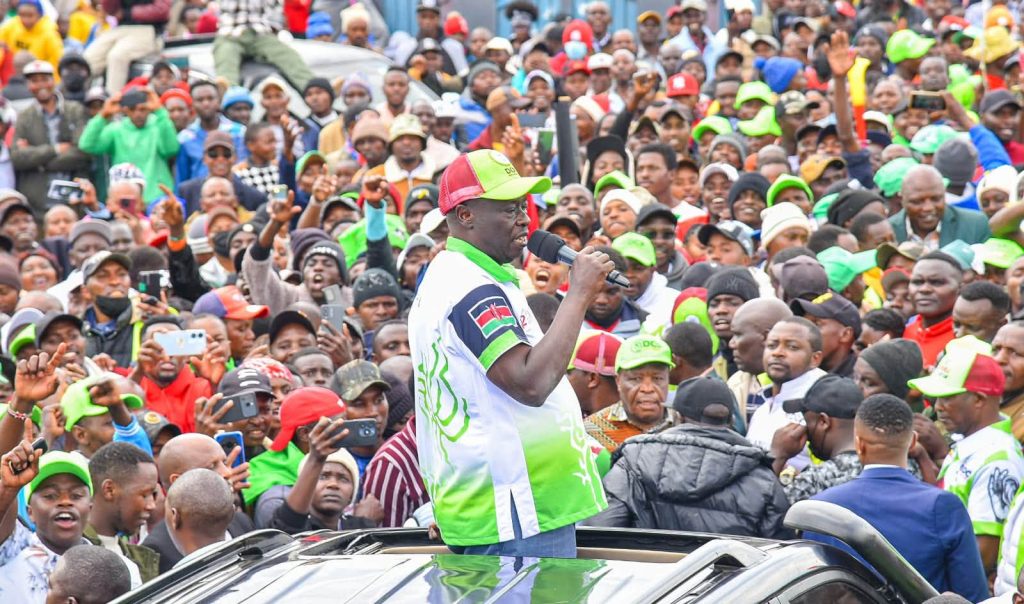
He also questioned whether IEBC had established that several qualified companies could meet all the mandatory requirements.
Among the issues he raised was the Ksh30M tender security requirement and whether the commission had provided sufficient information about the procurement’s commercial scope and estimated value.
Gachagua argued that the procurement must comply with Article 227 of the Constitution and the Public Procurement and Asset Disposal Act.
Gachagua links tender to wider political concerns
The DCP leader also linked the election technology debate to the Elections Amendment Bill, 2024, which he said contains provisions relating to ownership of election technology and intellectual property.
He claimed the Bill had stalled in the National Assembly after being passed by the Senate.
Gachagua further raised questions about the recent ownership changes involving De La Rue Kenya Limited, alleging that they could be connected to preparations for the 2027 elections.
He did not provide evidence linking the ownership changes to electoral manipulation.
Gachagua called on Kenya’s development partners and diplomatic missions to monitor the procurement process and urged that Miru Systems should not be allowed to manage Kenya’s election technology.
He challenged IEBC to publicly address his allegations and provide evidence that the procurement process is independent, competitive and compliant with Kenyan law.
The allegations now place renewed focus on IEBC’s planned election technology procurement, with the September 1 tender deadline expected to be an important point in the process ahead of the 2027 General Election.