Safaricom reveals security steps Kenyans should take to protect M-PESA accounts from phone repair fraud

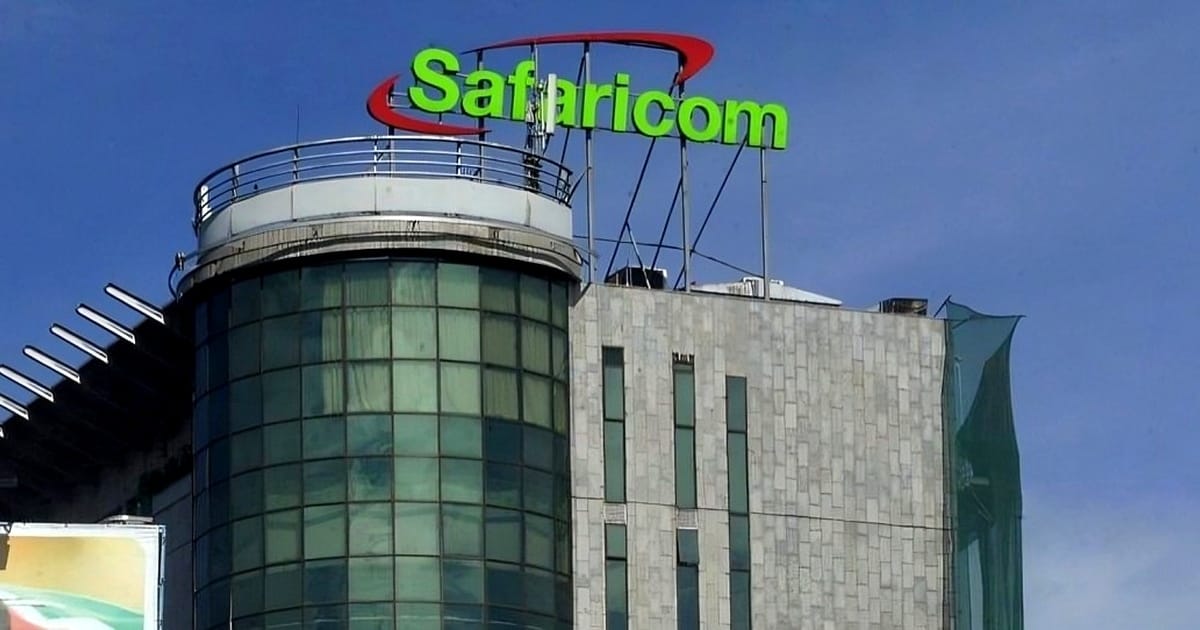
Safaricom customers have been urged to take additional precautions to protect their M-PESA accounts and mobile phone numbers from unauthorised access, particularly when handing their devices to repair technicians.
The telecommunications company has highlighted several security measures subscribers can use to protect their accounts, including checking registered phone numbers, securing their SIM cards and reporting suspicious activity.
The advisory comes after Safaricom cautioned customers against leaving their SIM cards with phone repair technicians or disclosing confidential PINs, warning that unscrupulous individuals could exploit access to steal personal information.
How Kenyans can protect their SIM cards
One of the measures available to Safaricom subscribers is the *106# USSD service, which allows customers to check phone numbers registered under their identification details.
The service can help subscribers identify unfamiliar numbers that may have been registered using their personal information without their knowledge.
Safaricom also provides a SIM-swap protection feature through 100100#, which customers can activate to strengthen protection against SIM replacement without their presence.
SIM-swap fraud occurs when criminals fraudulently transfer a victim’s mobile number to another SIM card, potentially allowing them to receive calls and SMS messages intended for the legitimate subscriber.
This can expose accounts that rely on SMS-based verification, particularly where criminals can exploit weaknesses in account recovery procedures.
What to do if someone knows your M-PESA PIN
Customers who have disclosed their M-PESA PINs to phone technicians or other individuals should change the affected PIN immediately.
They should also avoid reusing the same PIN across different financial services and digital accounts.
Subscribers who suspect their SIM cards have been accessed without permission should contact Safaricom through its official customer support channels for assistance.
Customers should additionally review their M-PESA transaction history for unfamiliar payments, withdrawals or other suspicious activity.
Safaricom has also encouraged subscribers who suspect suspicious behaviour to report incidents through SMS 333 or the My OneApp.
Why phone repair services require caution
Mobile phones increasingly provide access to financial accounts, personal communication, banking applications and private information.
Consequently, handing over a device without considering the information it contains can expose customers to risks beyond physical SIM card theft.
Customers are advised to retain their SIM cards whenever possible, avoid sharing M-PESA PINs and one-time passwords, and use trusted technicians when seeking repair services.
Safaricom’s warning highlights the importance of protecting personal security credentials as mobile money and digital services become increasingly integrated into everyday financial transactions in Kenya.