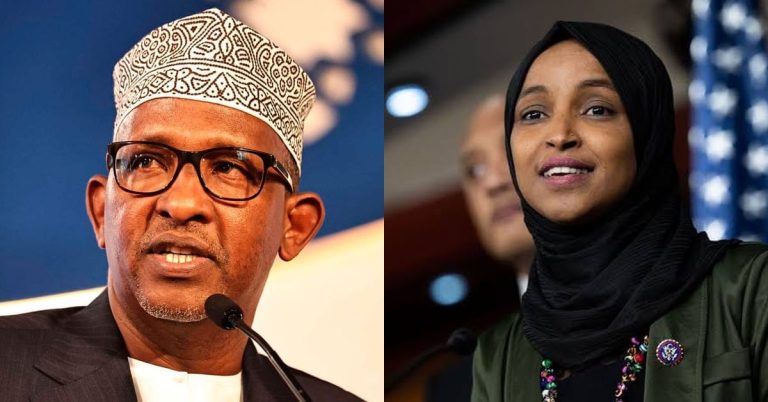
Nairobi Senator Edwin Sifuna has brought former Meru Governor Kawira Mwangaza and former Law Society of Kenya (LSK) President Faith Odhiambo into the centre of Linda Mwananchi’s proposed party leadership as the movement prepares to expand its political operations ahead of the 2027 General Election.
The two women have been proposed for senior positions in the emerging political outfit, with Sifuna naming them among four proposed deputy party leaders during the unveiling of the movement’s national secretariat in Lavington, Nairobi, on Friday, October 30.
Their proposed appointments bring together two women with different political backgrounds: Mwangaza, who has experience in elective politics and county-level mobilisation, and Odhiambo, whose national profile rose during the Gen Z-led protests against the Finance Bill 2024.
The proposed lineup also includes Mavoko MP Patrick Makau, while the fourth deputy party leader position has been reserved for a representative from the Coast region.
Sifuna said the proposed arrangement was intended to accommodate the different regions where the movement has established a presence or hopes to expand.
“We will be proposing to the National Delegates Convention of the Linda Mwananchi Party that we restructure the party so that we have a party leader, and then we have four deputies to accommodate all the regions in which we have support and in which we are looking for support,” Sifuna said.
The names are expected to be presented to delegates for consideration and endorsement during the November 13 National Delegates Convention.
Mwangaza’s growing role in Linda Mwananchi mobilisation
Mwangaza’s proposed elevation follows her visible participation in Linda Mwananchi’s political activities, particularly in the Mt Kenya region.
The former governor has accompanied Sifuna during political engagements and publicly positioned herself as one of the movement’s principals.
During the group’s August 30 tour of Meru, Mwangaza joined Sifuna and other opposition leaders as they held rallies across several parts of the county. Her participation came amid opposition from some local groups that had warned against her presence in parts of Meru.
Ahead of the tour, Mwangaza declared that she would continue accompanying Sifuna despite threats directed at her.
“I am a principal of Linda Mwananchi, and it is my responsibility to attend Linda Mwananchi activities and rallies,” she said.
Her involvement is significant because she brings experience in county politics and an established public profile in Meru, where she served as governor before her removal from office in 2024.

Mwangaza has also used Linda Mwananchi platforms to criticise political leaders she accuses of using young people to disrupt opposition activities.
During a rally in Nyandiwa, Homa Bay County, on August 16, she criticised alleged attempts to block political meetings and involve young people in confrontations.
“Ukiona kiongozi, awe mwanamke, mwanaume, anapanga barabara zifungwe, anatumia vijana vibaya kama mchawi, huyo ni mkora. Na lazima aende nyumbani,” she said.
Her remarks demonstrated that her participation has extended beyond attending rallies to publicly defending the movement’s political activities.
However, her proposed position also comes against the background of contested local politics in Meru. Before the August tour, some youths in Igembe South had publicly opposed her participation in the region’s political engagements.
The competing reactions underline the challenges the movement may face as it seeks to establish a stronger presence in the county.
Faith Odhiambo brings constitutional and Gen Z protest credentials
Odhiambo’s proposed appointment offers Linda Mwananchi a different kind of political profile.
The former LSK president became one of the prominent legal voices during the 2024 Gen Z protests against the Finance Bill, speaking out against police brutality, abductions and violations of constitutional rights.
Under her leadership, the Law Society of Kenya took an active role in monitoring the treatment of protesters and raising concerns about the protection of civil liberties.
Her involvement in the protests also extended to public commentary on the relationship between young Kenyans and the political establishment.
In an article published by the Commonwealth Lawyers Association in September 2024, Odhiambo argued that the political class remained detached from the challenges facing ordinary Kenyans.

“The fact that the youth are no longer in the streets must not be misconstrued to mean all is well,” she wrote.
She further cited Article 55 of the Constitution, which requires the State to take measures to ensure young people have opportunities to participate in political, social and economic life.
Her proposed inclusion in Linda Mwananchi’s senior leadership comes as political formations seek to engage a generation that demonstrated its capacity to organise around governance, taxation and accountability issues in 2024.
However, her appointment should not automatically be interpreted as an endorsement of Linda Mwananchi by the wider Gen Z movement. Her public record as an advocate for constitutional rights is distinct from the political choices of individual young Kenyans.
Unlike Mwangaza, whose participation in the movement’s rallies has been publicly documented, Odhiambo’s most prominent national engagements have so far been associated with her legal advocacy and the proposed responsibilities announced by Sifuna.
Sifuna has also proposed her as deputy chairperson of the party’s Board of Trustees, which is expected to be chaired by Trans Nzoia Governor George Natembeya.
Women also proposed for other party positions
Beyond the two senior appointments, Sifuna’s proposed leadership structure includes other women in administrative and organisational positions.
Pauline Njoroge has been proposed as deputy secretary-general, working alongside Suba South MP Caroli Omondi, who has been nominated for the secretary-general position.
Abigael Gikonyo has been proposed as deputy national treasurer, while Caroline Mayunzu has been put forward to head the women’s alliance.
Eunice Juma has also been proposed as secretary for diaspora affairs.
The proposed appointments indicate that women are being considered for positions across different levels of the party’s national structure, rather than being confined to the women’s wing.
Nevertheless, the extent of their influence will depend on the responsibilities and decision-making authority attached to the positions once the proposed structure is endorsed.

A broader political strategy ahead of 2027
The proposed appointments come as Linda Mwananchi seeks to transform its political movement into an organised party with a national presence.
Sifuna has proposed Vihiga Senator Godfrey Osotsi as party chairperson, with former Makadara MP Reuben Ndolo as his deputy.
Natembeya has been proposed to chair the Board of Trustees and lead the presidential campaign, with Odhiambo proposed as his deputy on the board.
Other proposed appointments include Boni Khalwale as secretary for political affairs and Kisii Senator Richard Onyonka as national treasurer.
The movement’s proposed leadership brings together politicians and public figures from different regions and professional backgrounds as it seeks to establish county-level structures ahead of the next election.
For Mwangaza, the proposed deputy leadership position follows her participation in the movement’s political mobilisation, particularly in Meru. For Odhiambo, it represents a proposed transition from prominent legal advocacy into formal party leadership.
Whether the two women will translate their different public profiles into influence within the party will become clearer after the delegates’ convention and the establishment of its grassroots structures.
For now, their proposed appointments place them among the prominent women being considered for leadership as Sifuna’s political outfit prepares for the 2027 electoral contest.