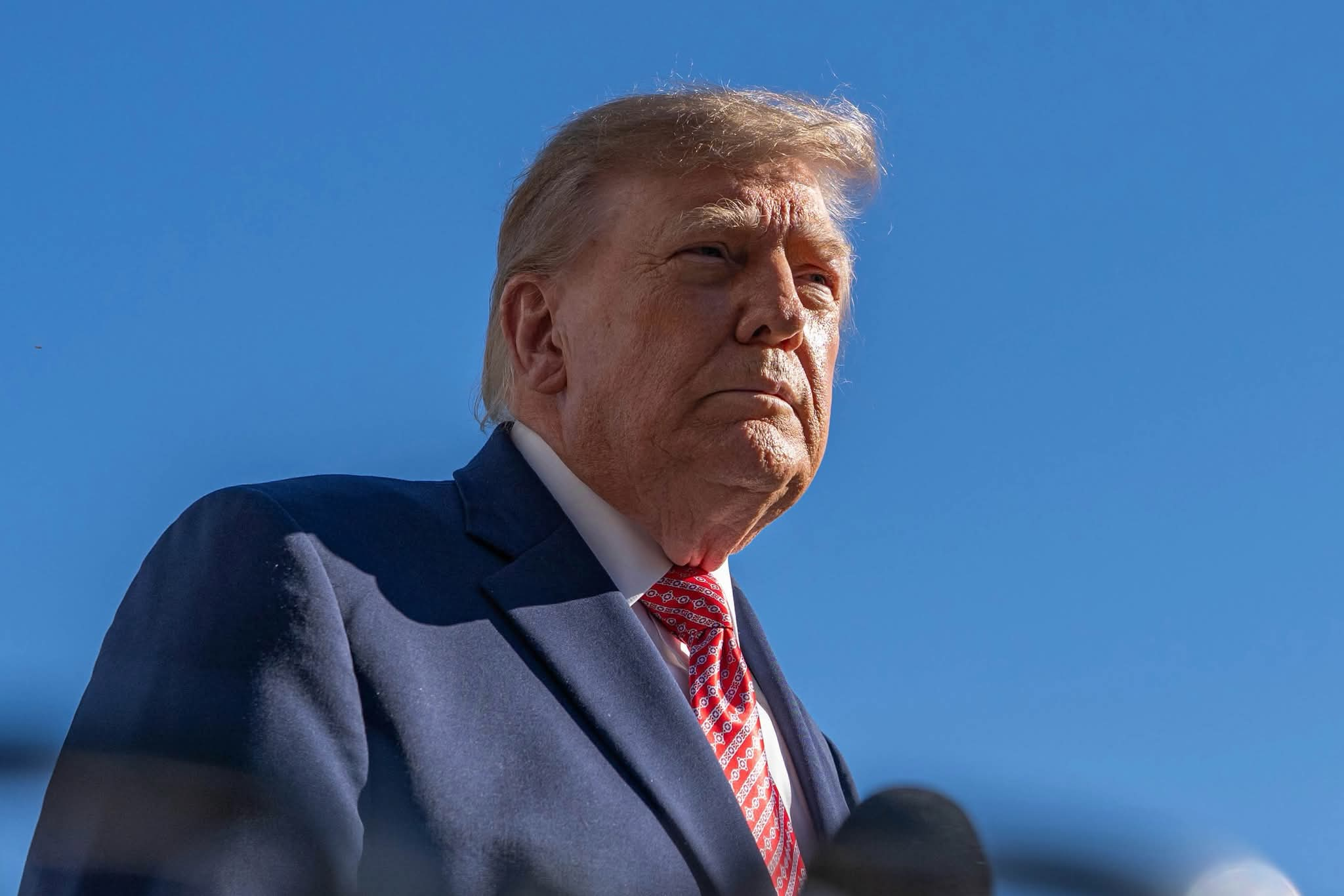
US President Donald Trump has announced a new whistleblower programme to reward people who expose fraud involving government funds, promising a 1 per cent commission on the money uncovered, potentially worth billions of Kenyan shillings.
Trump unveiled the Fraud Whistleblower Incentive Program at the White House on Tuesday, October 20, 2026, alongside Vice President JD Vance, who leads the administration’s task force targeting fraud, waste and abuse in federal programmes.
“If you turn somebody in and you, let’s say report and you find $1 billion, we are giving a commission to that person of 1%,” Trump said.
Under the president’s example, 1% of US$1 billion would amount to US$10 million, equivalent to approximately KSh1.3 billion at the October 21 exchange rate.
However, the US Department of Justice’s published programme rules specify initial rewards of between US$10,000 and US$30,000, equivalent to approximately Ksh1.3 million to Ksh3.9 million, for qualifying information that leads to criminal charges in covered cases.
The relationship between Trump’s promise of a 1 per cent commission and the formal reward structure remains unclear, making it important for potential whistleblowers to distinguish the president’s remarks from the programme’s published conditions.
How it operates
The US Department of Justice will administer the Fraud Whistleblower Incentive Program, supported by an initial US$25 million commitment from the Treasury Department, equivalent to approximately Ksh3.25 billion.
The programme offers financial rewards to individuals who voluntarily provide original, specific and credible information about suspected fraud involving designated federal healthcare programmes and government benefits.
Covered areas include federal healthcare offences and fraud involving programmes administered by the departments of Agriculture, Labour, Health and Human Services, Housing and Urban Development, Education, Veterans Affairs and the Small Business Administration.
The initiative places particular emphasis on suspected hospice, home healthcare, daycare and special services fraud.
According to the Justice Department, qualifying information must lead to criminal charges before an individual can be considered for an award. Payments are discretionary, and submitting a tip does not automatically guarantee compensation.
The department says eligible tipsters may receive between Ksh1.3 million and Ksh3.9 million around the time charges are filed. Additional payments may be available through other applicable government reward programmes, subject to their requirements.
YouTuber receives Ksh1.3 million
Trump’s announcement included a US$10,000 reward for Nick Shirley, a conservative online personality whose video alleging fraud at childcare centres in Minnesota attracted national attention.
The proposed reward is equivalent to approximately Ksh1.3 million.
The administration credited Shirley’s reporting with helping bring scrutiny to suspected misuse of public funds. However, Minnesota officials disputed aspects of his claims, and allegations in the video should not be treated as facts without supporting evidence.
Separately, investigations into alleged fraud involving publicly funded programmes in Minnesota have resulted in criminal proceedings. Any specific conviction or guilty plea must be distinguished from allegations that have not been proved in court.
The administration has used the Minnesota controversy to highlight its broader campaign against suspected fraud in publicly funded programmes.
Questions over the commission
Trump also said he would arbitrate disputes over who deserved rewards when several people claimed to have exposed the same fraud.
“I will be the arbitrator of all of these decisions,” he said, indicating that he intended to be generous when determining payments.
However, the Justice Department’s published terms state that awards are discretionary and subject to eligibility requirements.
The programme’s initial Ksh3.25 billion funding commitment raises questions about how the administration will handle claims involving large sums and whether additional funding or other legal reward mechanisms will be required.
For now, the initiative establishes a new incentive for people to report suspected fraud involving specified federal programmes. Its impact will depend on the quality of tips received, the investigations they generate and the government’s ability to establish criminal wrongdoing.
The central distinction remains between Trump’s promise of a 1 per cent commission and the initial rewards formally described by the Justice Department. Whistleblowers should not assume that reporting a particular amount of suspected fraud automatically entitles them to 1 per cent of that sum.