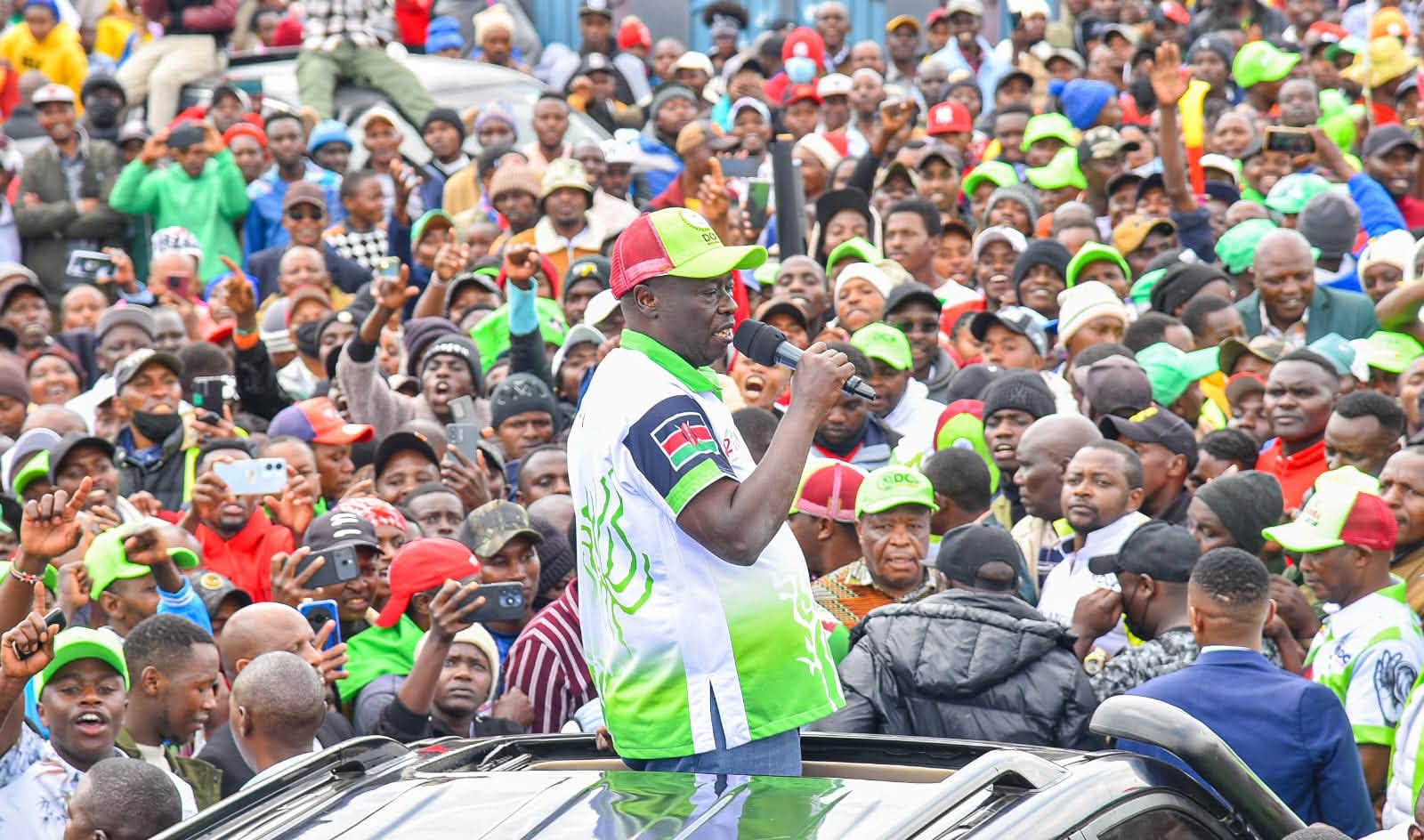
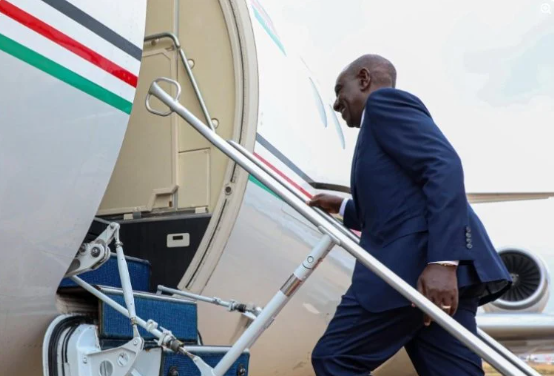
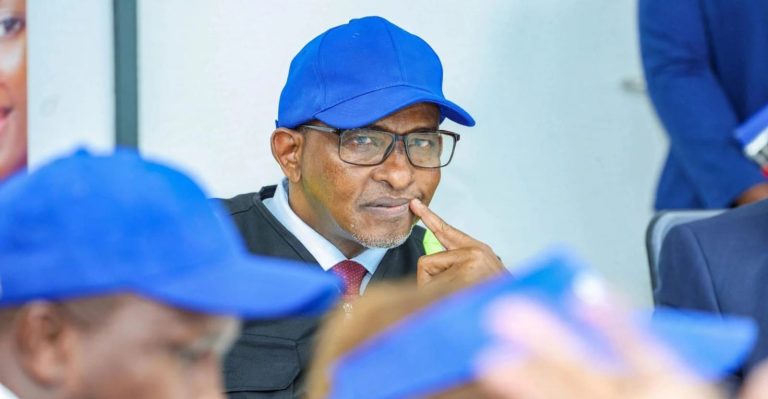
Rigathi Gachagua, in Nanyuki. PHOTO/@DPGachagua/FacebookRigathi Gachagua, in Nanyuki. PHOTO/@DPGachagua/Facebook
The joint press conference by PNU leader Peter Munya, Democratic Party (DP) leader Justin Muturi, and MBUS Party leader Lenny Kivuti was more than a routine political statement.
It was a direct challenge to Rigathi Gachagua’s growing influence in the Mt Kenya region and a declaration that the battle for political control of the Mountain is far from over.
While the statement was signed by all three leaders, Peter Munya emerged as the most forceful voice in articulating why smaller political parties are resisting pressure to fold into the Democracy for the Citizens Party (DCP).
Munya’s central argument: Political parties are not personal property
At the heart of Munya’s message was the argument that political parties belong to their members, not individual politicians.
Speaking on behalf of the coalition, Munya stated that every political party is an independent institution established under the Constitution, with its own members, elected officials, delegates, and governance structures.
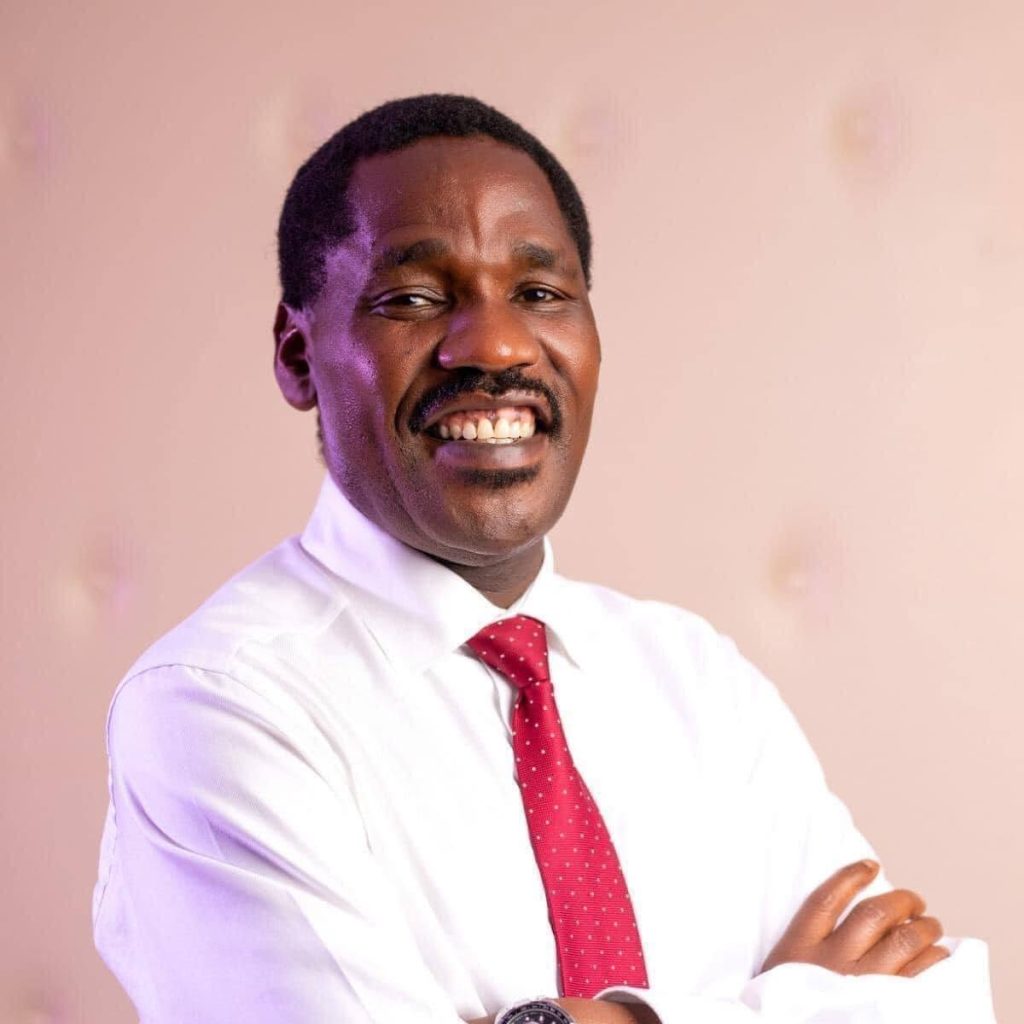
Former Meru Governor Peter Munya, who is also PNU Leader. PHOTO/@CSMunya/Facebook
He argued that no political leader has the authority to decide the future of another party.
“We wish to state unequivocally that every political party is an independent institution established under the constitution and the laws of Kenya with its own members, delegates, elected officials and governance structures.”
This was a direct response to Gachagua’s recent remarks urging parties such as PNU, DP, MBUS, and others to dissolve and join DCP.
For Munya, such a proposal goes beyond politics. It touches on the constitutional rights of party members who have spent years building their political organizations.
The real fight is about political relevance
Beneath the constitutional arguments lies a deeper political reality.
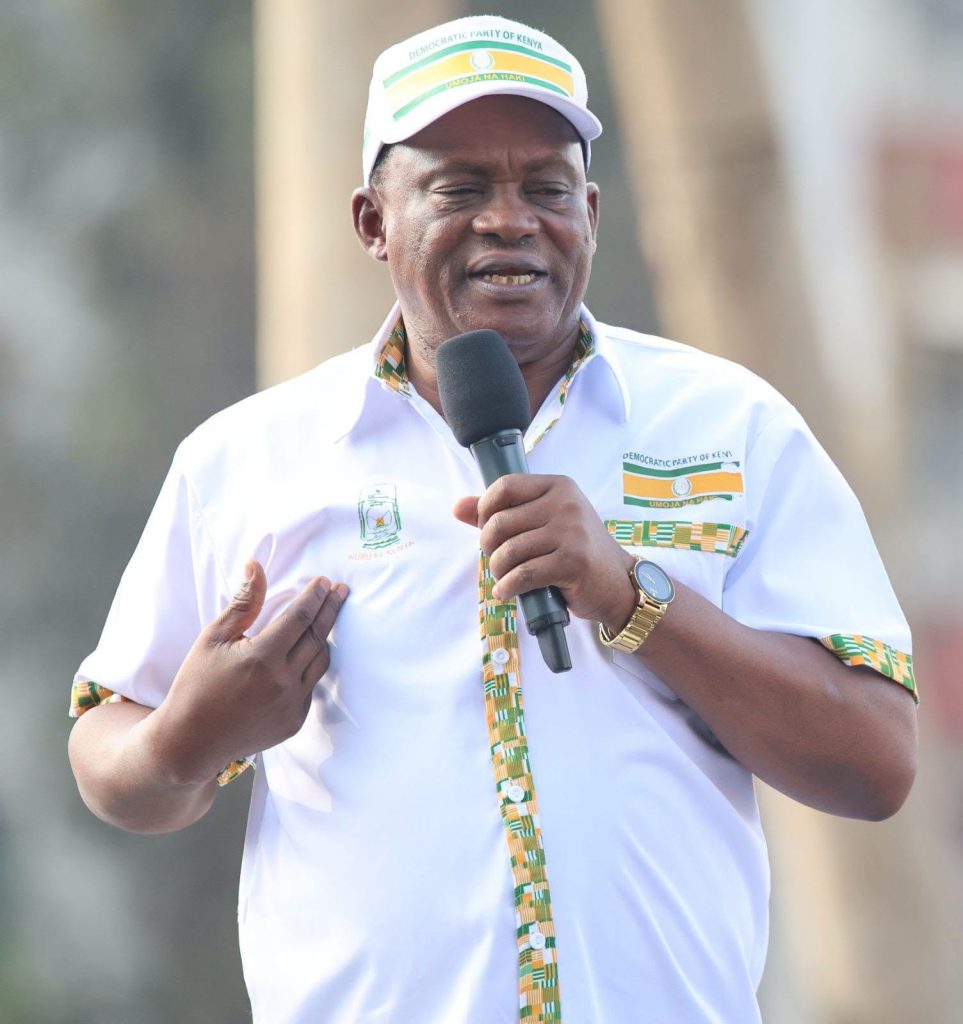
DP Leader Justin Muturi during a past event. PHOTO/@justinbmuturi/Facebook
Munya, Muturi, and Kivuti understand that dissolving their parties into DCP would significantly reduce their bargaining power ahead of the 2027 elections.
Political parties are not just election vehicles. They are negotiating tools during coalition talks, nomination processes, and power-sharing discussions.
By defending their parties, the three leaders are effectively defending their political relevance.
Munya rejects Gachagua’s claim to Mt Kenya leadership
Perhaps the most significant section of the statement was Munya’s rejection of the perception that Gachagua speaks for the entire Mt Kenya region.
The PNU leader argued that no meeting has ever been held to grant Gachagua such authority.
“We also reject any impression that honorable Gachagua has been appointed or mandated to speak on behalf of all the people or political parties associated with the Mount Kenya region.”
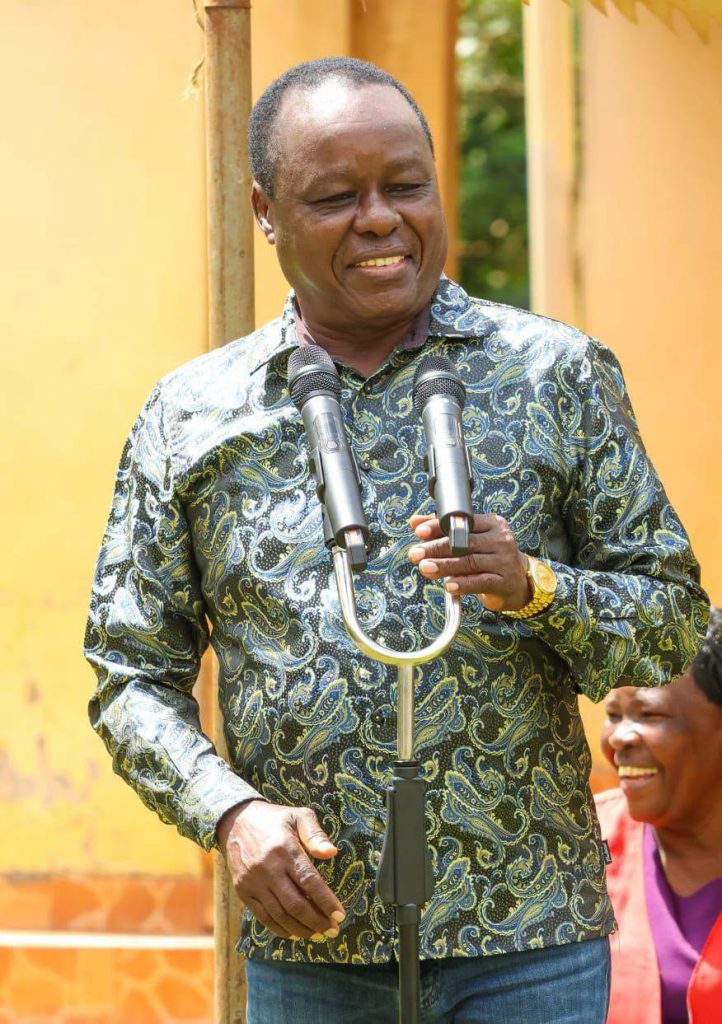
MBUS Party Leader Lenny Kivuti. PHOTO/@LennyMaxwellKivuti
The statement went further by invoking former Presidents Mwai Kibaki and Uhuru Kenyatta.
According to Munya and his colleagues, even leaders who commanded overwhelming support in the region never demanded the dissolution of other political parties or proclaimed themselves the sole political voice of Mt Kenya.
That comparison was carefully chosen. It seeks to challenge Gachagua’s growing image as the region’s undisputed political kingpin.
A warning against political domination
Another key theme in Munya’s remarks was the fear that opposition politics could become dominated by a single party.
The former Meru governor emphasized that unity should be built on consultation, respect, and voluntary cooperation.
“Such unity must be anchored on mutual respect, consultation and voluntary cooperation, not coercion, political bullying or demands for surrender.”
This suggests that Munya, Muturi and Kivuti are not opposed to working with Gachagua. Rather, they are opposed to entering an arrangement where DCP becomes the only acceptable political vehicle in the region.
Why this matters ahead of 2027
The press conference reveals growing competition within the anti-Ruto camp.
While the three leaders agree with Gachagua on the need to challenge President William Ruto in 2027, they disagree on who should lead that movement and how it should be organized.
Gachagua’s strategy appears to be building one dominant political machine capable of speaking for Mt Kenya during coalition negotiations.
Munya, Muturi, and Kivuti are advocating a different model, one where several parties retain their identities and negotiate as equal partners.
The significance of the statement is therefore not that it creates a split within the opposition. Rather, it confirms that the struggle for leadership in Mt Kenya politics has already begun.