Kenya’s food security outlook is coming under renewed pressure as poor rainfall cuts maize production prospects in key agricultural regions, while the possibility of intense El Niño-driven rains threatens to expose farmers to another wave of crop losses.
The country could record a 28 per cent shortfall in national maize yields, with deficits reaching 43 per cent in high-potential production areas, according to a new assessment by the Famine Early Warning Systems Network (FEWS NET).
The November 13 assessment paints a difficult picture for the agricultural sector, with farmers having endured prolonged dry spells and above-average temperatures during the June–September 2026 growing season.
Trans Nzoia, Uasin Gishu and Nakuru, three important maize-producing counties, were among the areas that experienced substantial rainfall deficits during critical crop development stages.

The emerging crisis presents a difficult balancing act for farmers as Kenya enters the peak of the October–December short-rains season, with forecasts pointing to increased precipitation from November.
Although the anticipated rains could help restore soil moisture and support crop recovery, the possibility of flooding, waterlogging and flash floods threatens to compound losses already recorded during the previous growing season.
False start to planting season leaves farmers exposed
The impact of the prolonged dry conditions has extended beyond the traditional maize-growing belt, disrupting agricultural activities in several parts of the country.
FEWS NET says poor rainfall distribution and unusually high temperatures during the June–September period caused significant moisture stress, resulting in below-average crop production prospects.
“Poor rainfall performance, prolonged dry spells and above-average temperatures throughout the June–September 2026 season resulted in significant moisture stress and below-average crop production,” the assessment states.
Preliminary estimates put national maize yield deficits at approximately 28 per cent, with losses rising to 43 per cent in high-potential production counties.
However, the initial rains did not last, with subsequent dry spells threatening the establishment of newly planted crops.
According to FEWS NET, the premature planting is likely to force affected farmers to replant, increasing production expenses at a time when many are already struggling with losses from the previous season.
In eastern and southeastern Kenya, most farmers had not planted by the time of the assessment. The expected improvement in rainfall during early to mid-November could provide an opportunity for them to begin planting.
However, the success of the season will depend on whether rainfall is sufficiently distributed to sustain crop establishment.
Flooding could wipe out gains from improved rainfall
The prospect of heavier rains presents another challenge for farmers who desperately need adequate moisture to recover from the prolonged dry conditions.
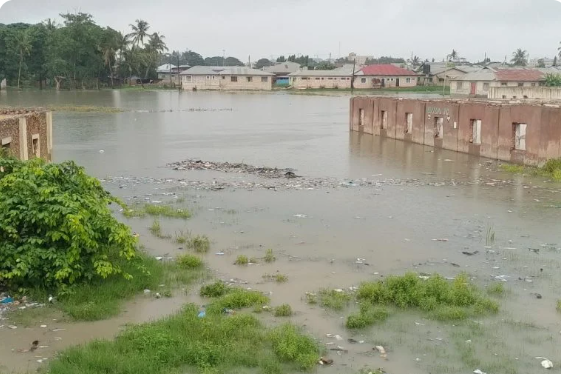
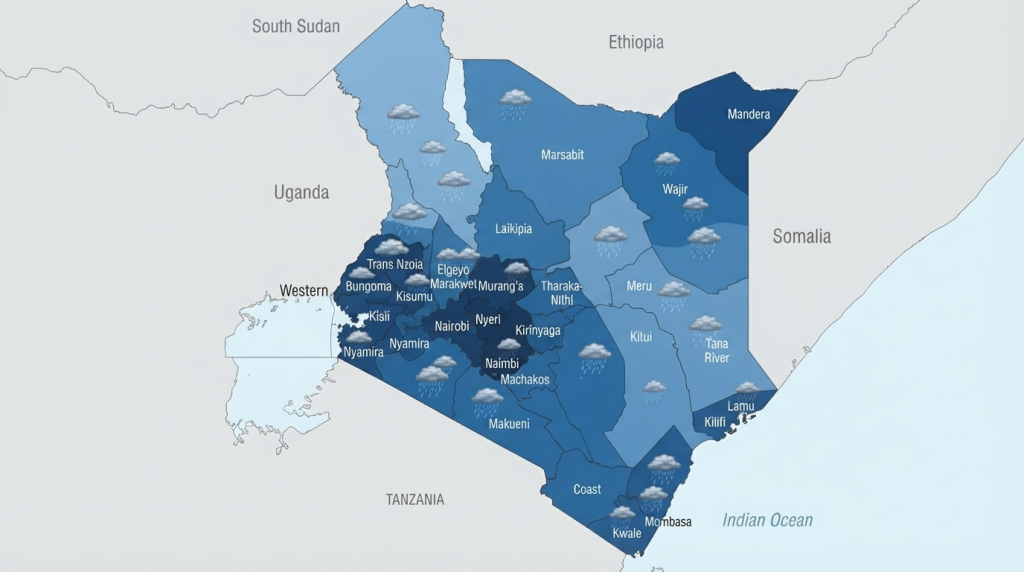
FEWS NET warns that above-average rainfall during November and December could increase the likelihood of flash floods, riverine flooding and waterlogging in vulnerable areas.
Recent incidents have already demonstrated how quickly intense rainfall can trigger flooding.
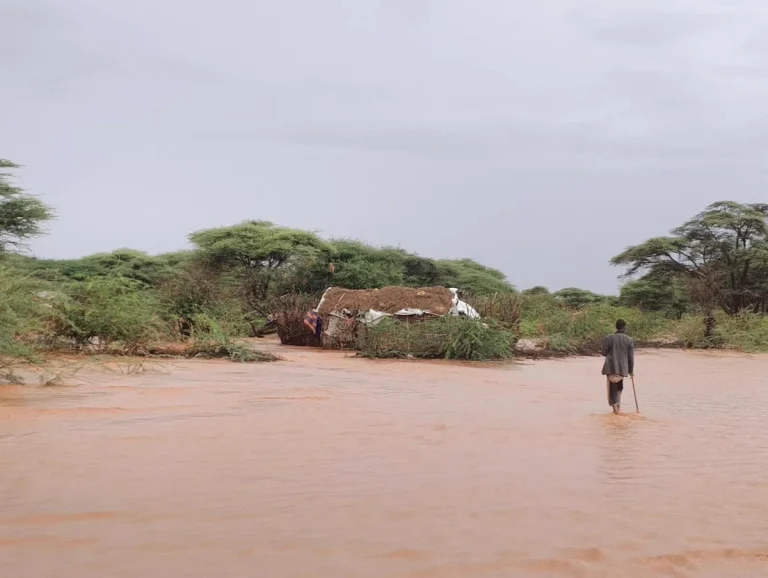
In Moyale, seasonal rivers reportedly reached bankfull levels within 24 hours after an estimated 133 millimetres of rainfall was recorded on October 28.
Tana River County also experienced localised flooding during the same week, highlighting the vulnerability of communities and agricultural activities to sudden heavy downpours.
The agency warns that flood risks remain elevated across East Africa as cumulative rainfall is expected to increase during the remainder of the October–December season.
For farmers, excessive rainfall could destroy crops, delay planting and disrupt agricultural operations, particularly in areas where drainage systems are inadequate.

The uneven distribution of rainfall also means that some counties could experience improved agricultural conditions while others face flooding and crop damage.
This presents a major concern for Kenya’s food production, given that the country is already facing significant maize yield deficits following the previous dry spell.
Climate patterns point to prolonged rainfall risks
According to FEWS NET, the two climate phenomena are expected to contribute to enhanced rainfall across much of East Africa during the October–December season.
November is projected to be the peak rainfall month, while El Niño conditions are expected to strengthen further towards December.
The Indian Ocean Dipole is forecast to weaken slightly but remain in its positive phase.
“Current climate outlooks indicate a high likelihood of El Niño conditions persisting into early 2027,” the report states.
The persistence of these climate patterns could extend the risk of extreme rainfall beyond the current short-rains season.
However, the expected precipitation is not entirely negative for Kenya’s agricultural sector.
Areas that have experienced prolonged dry conditions could benefit from improved soil moisture, pasture regeneration and replenishment of surface water resources.
FEWS NET notes that pasture and water availability in several pastoral areas have started improving following the onset of the October–December rains, although the recovery remains uneven.
Garissa, Tana River and Lamu are among the counties that recorded above-average rainfall in October, contributing to gradual improvements in water availability.