Donald Trump faces mounting congressional scrutiny after Democrats captured both chambers of the US Congress, while Benjamin Netanyahu confronts his biggest political challenge after Israeli President Isaac Herzog handed opposition leader Gadi Eisenkot the mandate to form a new government.
Two powerful political figures who have shaped the direction of American and Israeli policy are entering an increasingly uncertain political period.
US President Donald Trump is preparing to confront a Democratic-controlled Congress following a sweeping Republican defeat in the November 3 midterm elections. In Israel, Prime Minister Benjamin Netanyahu faces the possibility of losing power after opposition leader Gadi Eisenkot received the mandate to form the next government.
The developments have raised fresh questions about the future of the Trump-Netanyahu alliance, particularly as the two governments navigate the war with Iran, the Gaza conflict, regional security and mounting international diplomatic pressure.
For Trump, the Democratic victory creates a new political reality in Washington, where congressional investigations could expose his administration to sustained scrutiny and complicate his remaining presidency.
For Netanyahu, the challenge is more direct. Eisenkot now has the opportunity to negotiate a coalition capable of ending Netanyahu’s long political dominance.
Both leaders remain in office, but the balance of political power is shifting around them.
And the consequences could extend far beyond Washington and Jerusalem.
Democrats seize Congress
The November 3 midterm elections delivered a major setback to Trump’s Republican Party, with Democrats projected to take control of both the House of Representatives and the Senate when the new Congress convenes in January 2027.
Democrats have secured at least 54 Senate seats, while projections put their eventual House representation between 251 and 268 seats.
The result gives the opposition party control over congressional committees, legislative investigations and a substantial part of Washington’s political agenda.
For Trump, the implications are considerable. A Democratic-controlled House can launch investigations into presidential decisions, demand documents, subpoena administration officials and hold public hearings examining the conduct of government.
The Senate majority will also give Democrats greater influence over legislation, government appointments and oversight of the administration’s foreign policy.
The political consequences are already emerging.
House Speaker Mike Johnson has announced that he will not seek another term as Republican leader, while divisions within Trump’s political movement are becoming more visible.
The administration is also facing questions about its handling of the Iran war, which has become a major issue in the political fallout from the elections.
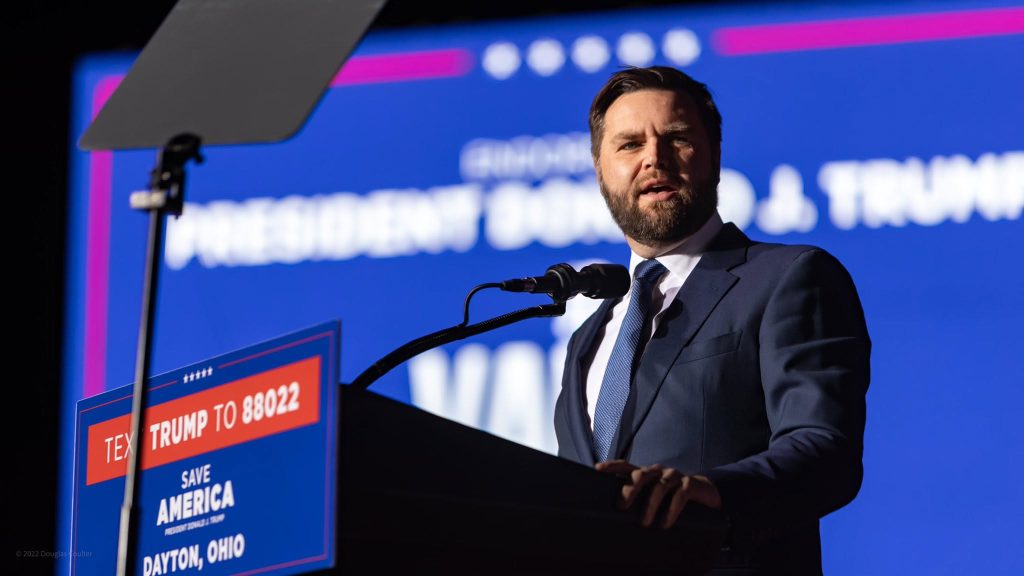
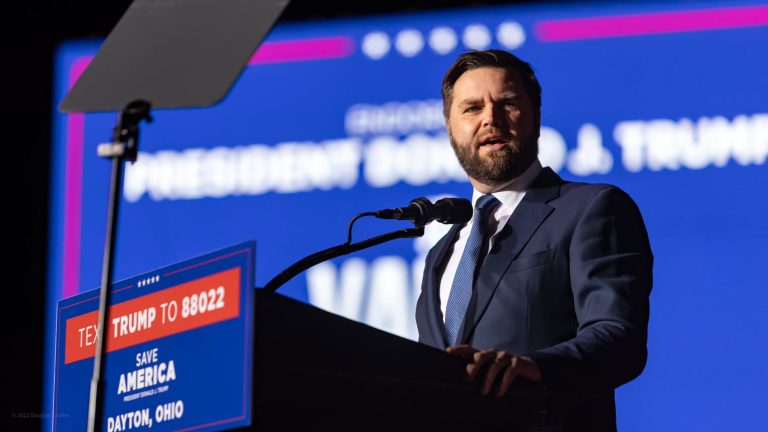
Vice President JD Vance has described the Iran war as “the reason we lost”, highlighting the growing disagreement within Republican ranks over the direction of American foreign policy.
However, the possibility of Trump’s impeachment requires careful distinction.
Democrats have not formally launched an impeachment proceeding against the president, and House Democratic leader Hakeem Jeffries said that impeachment had not been raised within his caucus following the election.
There is a separate impeachment controversy involving Defence Secretary Pete Hegseth, whom Jeffries has publicly indicated he supports investigating through impeachment proceedings.
Nevertheless, Democratic control of Congress creates the institutional opportunity to pursue investigations that could eventually generate impeachment demands.
If evidence of serious presidential misconduct emerges, the House has the constitutional authority to impeach Trump through a majority vote.
Removing him would be considerably more difficult. Conviction in the Senate requires a two-thirds majority of senators present.
With Democrats holding at least 54 seats, Republican support would be necessary for removal.
The immediate threat to Trump, therefore, is not automatic impeachment but the possibility of an increasingly hostile Congress examining his administration from multiple directions.
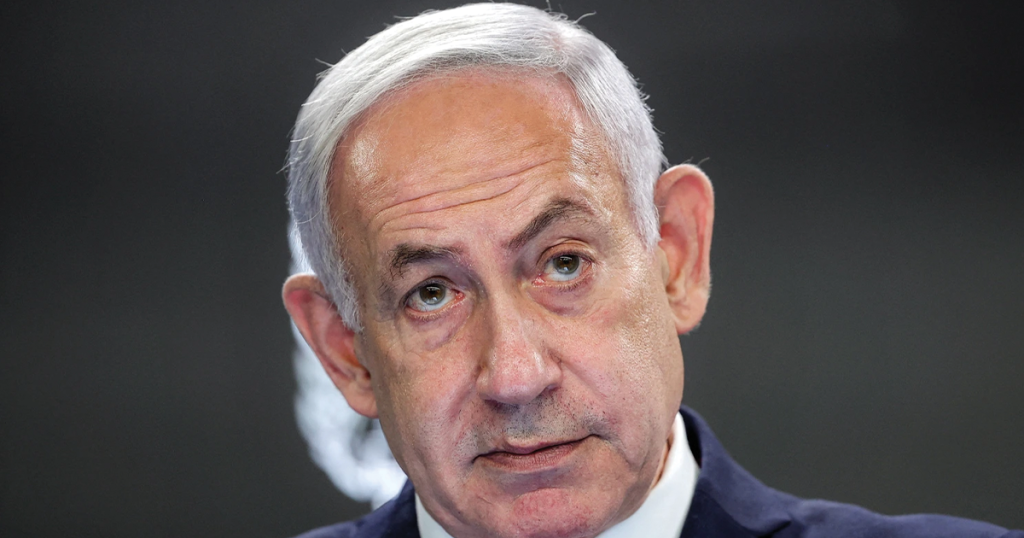
Netanyahu’s power tested
While Trump faces congressional pressure, Netanyahu is confronting a potentially decisive political battle in Israel.
On November 8, President Isaac Herzog formally appointed opposition leader Gadi Eisenkot to attempt to form the country’s next government following the October 27 parliamentary elections.
The decision represented a significant setback for Netanyahu, whose Likud party emerged as the largest individual party but whose wider political bloc failed to secure the 61 seats required for a parliamentary majority.
Herzog’s consultations with elected political factions revealed that representatives of parties holding 67 parliamentary seats supported Eisenkot receiving the mandate.
Representatives of factions holding 46 seats backed Netanyahu, while another seven lawmakers declined to recommend either candidate.
Explaining his decision, Herzog said Eisenkot had received the “clear and unequivocal support of a majority of Members of Knesset” on who had the better chance of forming the next government.
The appointment gives Eisenkot 28 days to negotiate a coalition, with a possible 14-day extension.
However, receiving the mandate does not mean Netanyahu has already lost office.
The challenge facing Eisenkot is considerable.His Yashar party won 21 seats, while his four-party political bloc secured 48 seats. Netanyahu’s wider political bloc holds 53 seats, with Arab-led parties accounting for another 19 seats in the 120-member Knesset.
Eisenkot needs to secure at least 61 lawmakers behind a government that can survive a parliamentary confidence vote.
His options include negotiating a broad national emergency government, securing support from Arab lawmakers or reaching agreements with political factions outside his existing alliance.
Each option carries political difficulties.Eisenkot has called for a national emergency government, arguing that Israel needs political stability to confront its security and economic challenges.
Following his appointment, he declared: “Now is the time to form a national emergency government. I will do everything to ensure we prove ourselves worthy.”
The statement reflects an attempt to build a government beyond the traditional political divisions that have characterised Israel’s recent years.
For Netanyahu, the danger is that parties that previously supported his government could now become part of an alternative political arrangement.
If Eisenkot succeeds, Israel could witness the end of Netanyahu’s current premiership and a major reorganisation of its political leadership.
If he fails, Netanyahu could receive another opportunity to form a government, potentially prolonging the political confrontation.
ICC pressure continues
Netanyahu’s political troubles extend beyond the Israeli parliament.
The Israeli prime minister remains subject to an arrest warrant issued by the International Criminal Court on November 21, 2024, over alleged war crimes and crimes against humanity connected to the Gaza conflict.
The allegations include starvation as a method of warfare, murder, persecution and other inhumane acts.
Netanyahu rejects the allegations, and the arrest warrant is not a criminal conviction.
Nevertheless, it represents an extraordinary international legal challenge for a sitting Israeli prime minister.
The warrant creates potential travel restrictions and diplomatic complications, particularly in countries that are parties to the Rome Statute and have obligations concerning ICC arrest warrants.
Losing the premiership would not automatically result in Netanyahu’s arrest or bring his legal proceedings to an immediate conclusion.
However, it could change the political circumstances surrounding his international legal challenges.
A new government under Eisenkot would also face questions about how Israel should respond to international legal pressure and whether it should pursue a different diplomatic approach to the Gaza conflict.
Eisenkot’s military background is particularly significant. As a former chief of the Israel Defence Forces, he is familiar with the country’s security establishment and regional military challenges.
His potential premiership does not automatically mean a dramatic reversal of Israeli security policy.
Nevertheless, his leadership could introduce a different political approach to relations with Washington, regional diplomacy and the management of Israel’s international reputation.
The ICC case will remain a major challenge regardless of who occupies the prime minister’s office.
Alliance faces uncertainty
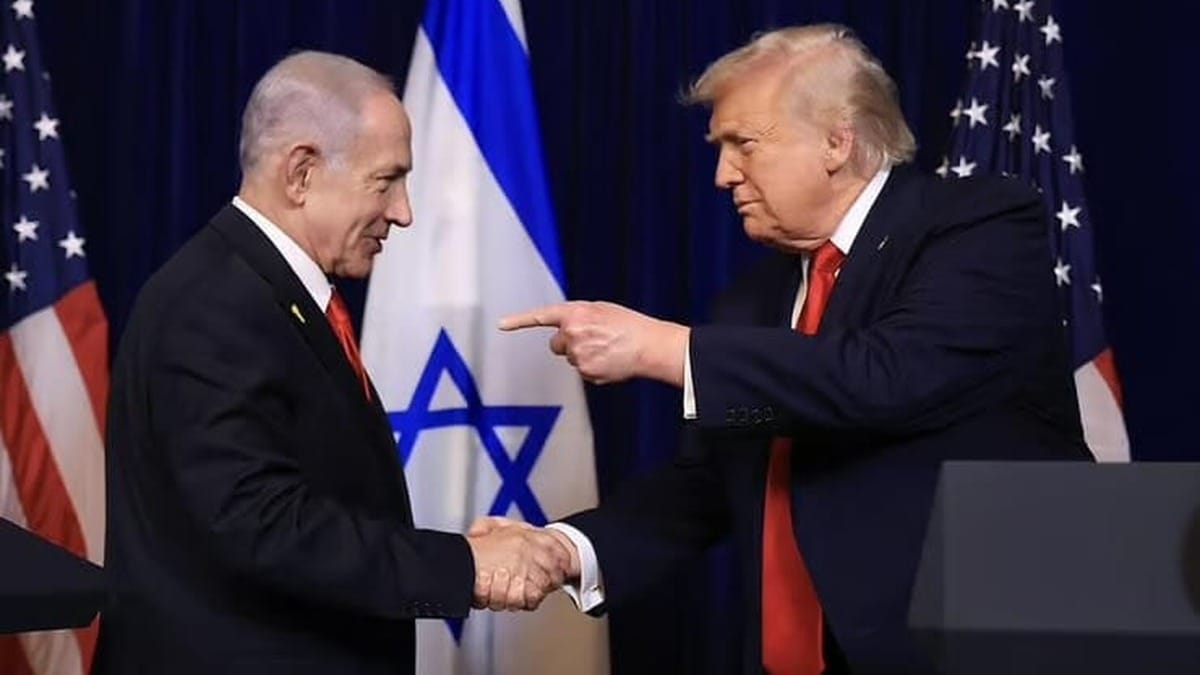
The political developments in Washington and Jerusalem are particularly important because of Trump’s close relationship with Netanyahu.
Trump has consistently presented himself as a strong supporter of Israel and has given Netanyahu significant political backing on major regional security questions.
The relationship has also shaped Washington’s approach to Iran, Gaza and the wider Middle East.
But the political environment surrounding that alliance is changing.
With Democrats preparing to take control of Congress, the administration could face increased scrutiny over American military assistance to Israel, diplomatic protection, the Iran conflict and decisions affecting regional stability.
Congressional investigations could also force administration officials to explain the strategic and financial consequences of American involvement in the Middle East.
For Netanyahu, a politically weakened Trump could become a less reliable source of support.
The Israeli prime minister has historically benefited from having a sympathetic American president, particularly during periods of international criticism.
A Democratic-controlled Congress could introduce additional pressure on the White House to reconsider aspects of its Middle East policy.
However, it would be misleading to suggest that Democrats taking Congress automatically means the United States will abandon Israel.
The US-Israel relationship is built on longstanding security, intelligence and diplomatic arrangements that extend beyond the personal relationship between Trump and Netanyahu.
Eisenkot, if he becomes prime minister, would also have to establish a working relationship with Washington regardless of political differences.
The bigger question is whether the changing political balance in America and Israel will produce a different approach to the region’s most difficult challenges.
For Trump, the coming congressional battle could determine how much political authority he retains during the remainder of his presidency.
For Netanyahu, the coalition negotiations could determine whether he remains Israel’s prime minister or becomes the country’s next opposition leader.
The two political struggles are different, but their consequences could intersect.
A weakened Trump administration could face greater pressure over its Middle East decisions, while a new Israeli government could reassess the diplomatic and political calculations that have defined Netanyahu’s leadership.
Neither outcome is guaranteed. Eisenkot still needs to assemble a majority, while Democrats must translate their electoral victory into an effective congressional strategy.
But the political message is unmistakable. Trump has lost the protection of a Republican-controlled Congress, while Netanyahu has lost the first opportunity to form Israel’s next government.
The coming weeks could determine whether these setbacks become temporary political difficulties or the beginning of a much deeper transformation in American and Israeli leadership.