Nairobi residents could face longer water rationing periods after Nairobi Water announced an immediate 35 per cent reduction in production at two major treatment plants, citing declining water levels at Thika/Ndakaini Dam following below-average rainfall.
Thousands of households and businesses across Nairobi and neighbouring counties could face increased pressure on their daily water needs after Nairobi City Water and Sewerage Company announced a significant reduction in water production at two of its major treatment facilities.
In a public notice on Monday, November 9, 2026, the utility confirmed that water production at Ngethu and Kigoro Water Treatment Plants has been reduced by 35 per cent with immediate effect, warning consumers to prepare for extended water rationing periods.
The development raises fresh concerns about water security in Nairobi, where households, businesses, schools, hospitals and other essential institutions depend on consistent water supplies for their daily operations.
Ndakaini Dam water levels trigger supply reduction
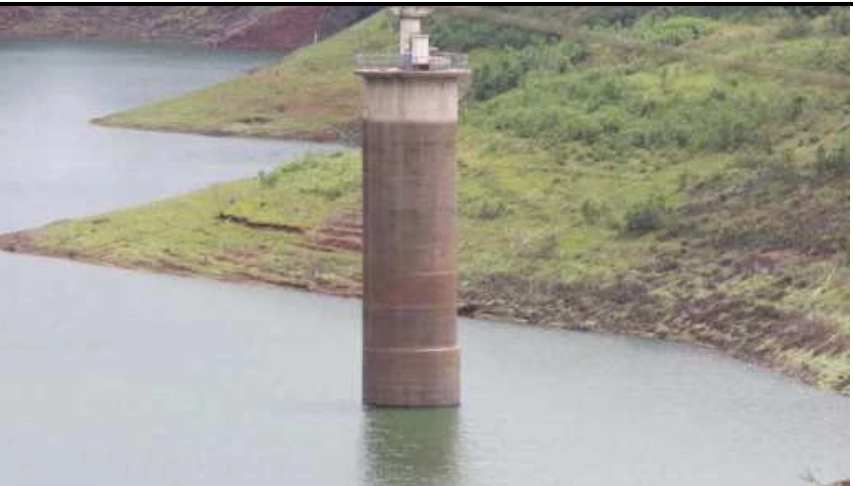
Nairobi Water attributed the production cuts to declining storage levels at Thika/Ndakaini Dam, the principal source of water for Nairobi and surrounding areas.
According to the company, the dam has experienced a significant decline in water storage following below-average rainfall within its catchment area.
Reduced inflows into the reservoir have forced the utility to temporarily reduce water abstraction to preserve available reserves and maintain supply over the coming months.
The company says it will continue monitoring water levels and prevailing weather conditions while periodically reviewing production volumes.
Seven water utilities among those expected to feel the impact
The supply reduction is expected to affect consumers served by several water service providers, including:
- Nairobi City Water and Sewerage Company
- Kiambu Water and Sanitation Company
- Githunguri Water and Sanitation Company
- Karuri Water and Sanitation Company
- Mavoko Water and Sewerage Company
- Oloolaiser Water and Sewerage Company
- Olkejuado Water and Sewerage Company
The impact could extend beyond Nairobi’s residential neighbourhoods, potentially affecting households and businesses in neighbouring communities that depend on these interconnected water supply systems.
Households and businesses face growing pressure
A 35 per cent reduction in production presents a significant challenge for households already managing limited or intermittent water supplies.
For families, longer rationing periods could mean increased dependence on water storage tanks, drums and other storage facilities.
Businesses that rely heavily on water, including restaurants, hotels, laundries, construction companies and manufacturing establishments, may also need to adjust their operations to cope with reduced availability.
Where piped water becomes less reliable, consumers may increasingly turn to alternative suppliers, including water vendors and commercial water delivery services.
This could create additional financial pressure for households and small businesses.
Nairobi Water urges consumers to conserve available supplies
Nairobi Water has appealed to customers to use available water prudently as the company continues monitoring the situation.
The utility expressed regret over the inconvenience caused by the reduction and called for public patience, understanding and cooperation.
However, the public notice does not provide specific neighbourhood-by-neighbourhood rationing schedules, the projected duration of the production cuts or a timeline for restoring normal production.
Consumers are therefore encouraged to follow official communication from their respective water service providers for updates on supply schedules.
What Nairobi residents should do now?
With the production reduction taking immediate effect, households can take practical steps to manage available supplies.
Residents should:
- Store reasonable quantities of water in clean, covered containers.
- Prioritise drinking, cooking and essential hygiene needs.
- Repair leaking taps and pipes to prevent unnecessary wastage.
- Reuse suitable household water where safe and appropriate.
- Monitor official water rationing announcements from their local providers.
- Avoid unnecessary water consumption until supplies stabilise.
Water security concerns return to the spotlight
The latest announcement highlights Nairobi’s continued vulnerability to changing rainfall patterns and declining reservoir levels.
As the city expands and demand for water continues to place pressure on existing infrastructure, the availability of reliable water supplies remains a critical public concern.
For now, the immediate priority is managing the available reserves while ensuring that households and essential services can continue accessing water.
Whether the situation improves will depend partly on rainfall patterns, reservoir recovery and the utility’s ability to manage available water resources.
For Nairobi residents, the message is clear: conserve every available drop and prepare for potentially longer periods without piped water.