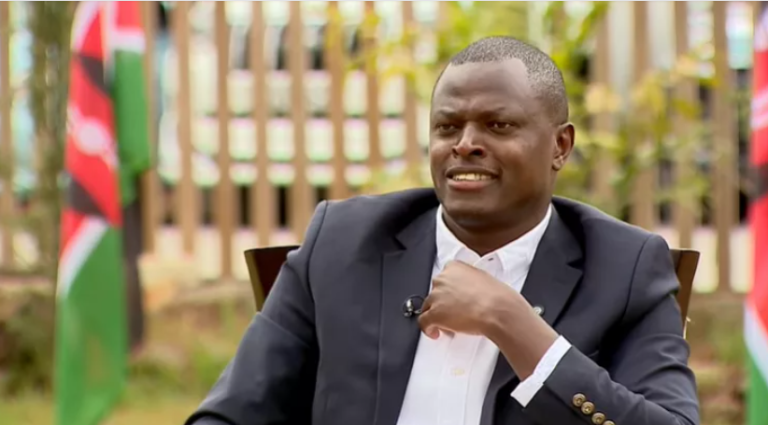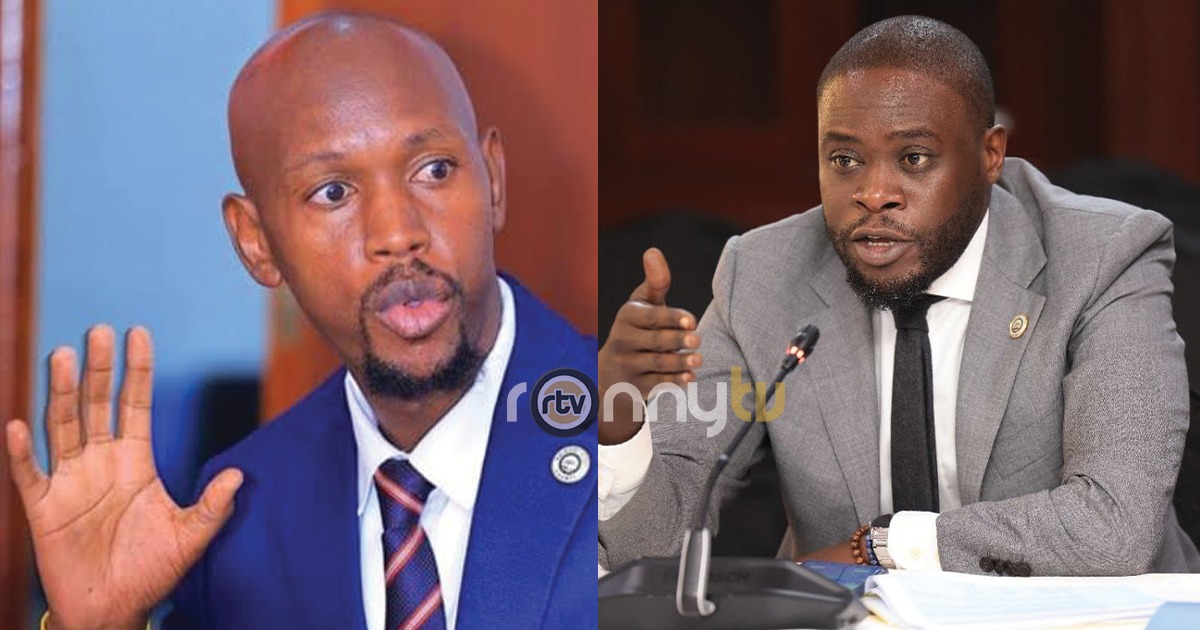
Geoffrey Mosiria’s removal from Nairobi County Government on October 21, 2026, marks the end of a turbulent chapter in which his public visibility, disputes over administrative authority and ambition to become governor increasingly placed him at odds with Governor Johnson Sakaja.
Mosiria built a recognisable public identity through highly publicised enforcement operations, direct engagement with residents and social media updates on Nairobi’s persistent challenges. That profile became an important part of his public service record, but it also coincided with successive departmental transfers and increasingly open criticism of the administration he served.
His declaration on October 11 that he would seek the Nairobi governorship in the 2027 General Election added a new dimension to the relationship. He was no longer simply a county official defending his record; he was positioning himself as a potential alternative to the governor who appointed him.
The county’s October 21 reshuffle removed him from his position as Chief Officer for Public Participation, Citizen Engagement and Customer Service. The notice, signed by County Secretary Machel Waikenda, did not state why Mosiria was removed or explicitly link the decision to his political ambitions.
However, the timing has brought renewed attention to the tensions that had developed during his tenure, raising questions about the relationship between his public profile, his responsibilities within the county executive and his emerging political agenda.
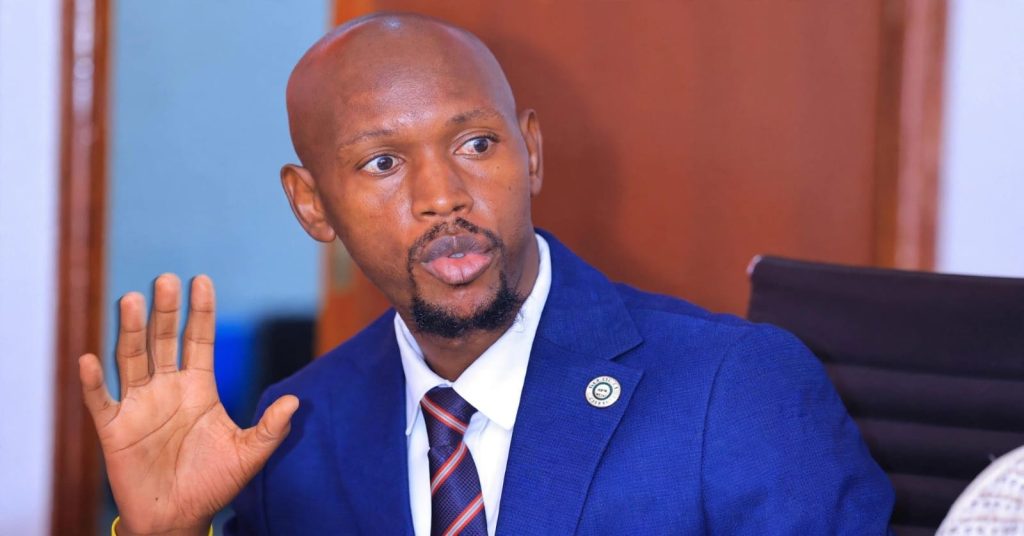
From enforcement to politics
Mosiria’s public prominence grew during his time in the Environment department, where he regularly publicised operations targeting illegal dumping, noise pollution and other violations.
By documenting enforcement activities and engagements with residents, he established a public presence that extended beyond routine county administration. His subsequent transfer to Citizen Engagement and Customer Service in November 2025 moved him away from the Environment docket but retained him in a role involving direct interaction with Nairobi residents.
The transfers, however, were part of a broader series of disagreements that Mosiria says began in 2023, when he was serving in the Health department.
On October 19, Mosiria said he questioned a decision to withdraw his accounting officer powers and transfer them to chief executives of medical facilities.
“I sat down with him and asked him why they stripped me of my accounting officer powers and handed them over to junior officers whom I am supposed to supervise,” he said.
Mosiria argued that the dispute contributed to his subsequent transfers, first to Environment in 2024 and later to Citizen Engagement and Customer Service.
“I have never insubordinated my boss, but when they took away my powers, I started facing sabotage. I was seen as an outsider, and my hard work did not sit well with my bosses,” he said.
These are Mosiria’s accounts of the disagreements. The available reshuffle notices establish the departmental changes but do not independently establish that they were intended to sideline him.
The distinction matters because his political trajectory developed within an administration that continued to reassign him to different responsibilities.

Criticism exposed tensions
The disagreements became increasingly public in October 2026, when Mosiria accused City Hall of failing to deliver services and alleged that officials were attempting to silence him.
“Let me be honest with you, my friends. We are going to unmask the rot in City Hall. We are going to expose and unmask the rot in City Hall,” he said.
His remarks placed him in the unusual position of being both a serving county executive official and a public critic of the administration’s performance.
Mosiria also alleged that he had struggled to secure meetings with Sakaja to discuss his concerns, claiming that the governor contacted him when he needed something but did not grant his requests for appointments.
“Up to date, he only calls me when he wants something, but whenever I try to seek an appointment, he says he will give me a date, which has never happened,” he said.
The allegations provided Mosiria’s explanation for the deterioration of their relationship, but the governor’s position on the specific claims was not established in the reports documenting the dispute.
The growing friction also drew attention to the political implications of Mosiria’s visibility. His public-facing activities gave him a platform to discuss service delivery directly with residents, while his criticism of City Hall increasingly challenged the administration’s own account of its performance.
Whether Sakaja viewed that visibility as a political threat has not been independently established.
What changed decisively was Mosiria’s willingness to move from criticism to an explicit bid for the governor’s office.
Governor bid changed stakes
On October 11, Mosiria declared his interest in the Nairobi governorship during a service at Jesus Is Alive Ministries, hosted by Bishop Margaret Wanjiru.
He presented his experience across the Health, Environment and Citizen Engagement departments as preparation for the county’s top office and proposed Wanjiru as his running mate.
“If you want change in Nairobi, Mosiria is the change. Mosiria will fix Nairobi,” he said.
His declaration also included a pledge to build on development plans associated with former governors Evans Kidero and Mike Sonko, as well as projects initiated under Sakaja.
Days earlier, Mosiria had discussed seeking political backing from former Nairobi Governor Mike Sonko and former Interior Cabinet Secretary Fred Matiang’i. Mosiria said Sonko had tasked him with organising a meeting with Matiang’i to discuss his gubernatorial bid.
Despite announcing his ambitions, Mosiria said he intended to retain his county government position until the formal campaign period.
“I will only resign when the time to start the campaigns comes. Why should I resign from the government job? This is not someone’s job,” he said.
The position highlighted the tension between his continuing executive responsibilities and his intention to challenge the incumbent in the next election.
The October 21 reshuffle subsequently reassigned his functions to Zipporah Njeri Mwangi in an acting capacity. The county notice also made changes affecting two other chief officers and said the changes took effect immediately.
Mosiria later defended his conduct in a statement addressed to Sakaja, saying: “My boss, I served with diligence, and I will not apologise for standing for what is right.”
The dismissal leaves the precise reasons for his removal unresolved. The timing followed his gubernatorial declaration, but the county did not explicitly identify his political ambitions as the cause.
For Mosiria, the immediate challenge is to translate his public service profile and criticism of City Hall into a distinct political platform ahead of the 2027 election. For Sakaja’s administration, the departure removes a prominent public-facing official whose final months in office were increasingly defined by disagreements over leadership, accountability and the direction of Nairobi.
The episode ultimately illustrates how an official’s public identity can evolve beyond the responsibilities of an appointed position. Mosiria’s next political decisions will determine whether that visibility becomes the foundation of an independent campaign or part of a broader political alliance.