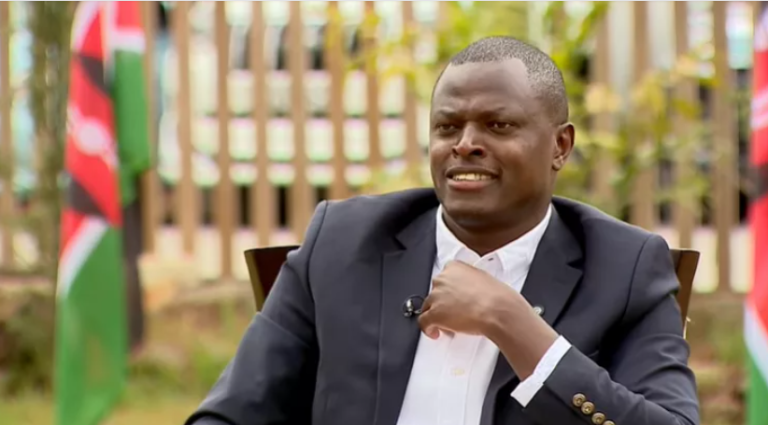
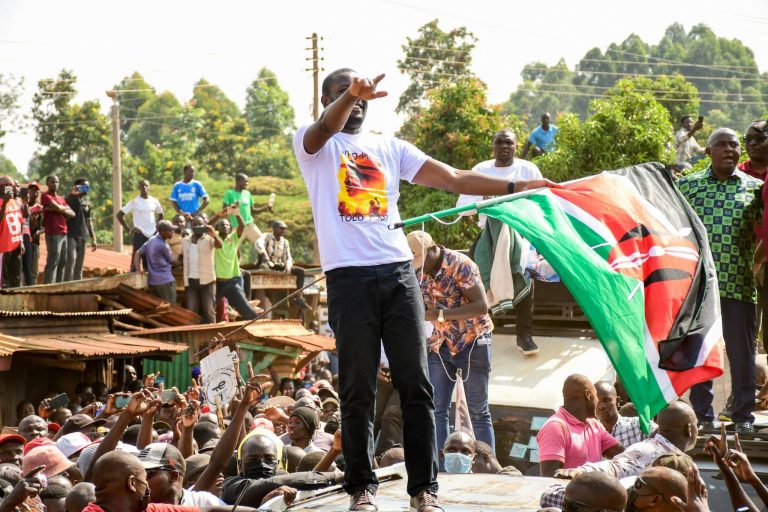
Former Chief Justice David Maraga has vowed to continue campaigning for changes to Kenya’s presidential results tallying system after the High Court upheld the legality of the Independent Electoral and Boundaries Commission’s (IEBC) national tallying centre.
Maraga said the People’s Coalition on Electoral Reforms would not abandon its push for changes ahead of the August 10, 2027 General Election, arguing that Kenyans must have greater transparency and verifiability throughout the electoral process.
“We shall not relent on the matter of the National Tallying Centre and our pursuit of free, fair and credible elections!” Maraga said after members of the coalition addressed journalists in Nairobi.
His statement followed Tuesday’s High Court judgment by Justice Gregory Mutai, which dismissed petitions challenging the constitutionality of national tallying and verification of presidential results. The court maintained that the IEBC can tally and verify presidential results nationally, but cannot alter, cancel or vary results already declared and certified at constituency level.
The ruling leaves the national tallying framework in place ahead of the 2027 election, while imposing limits on how the IEBC can handle constituency results once they have been declared.
Justice Mutai ruled that certified constituency results should be the primary reference documents during national aggregation. He also directed that national verification be undertaken collectively by the IEBC, with commissioners having access to the underlying data. Candidates’ agents and observers should similarly have real-time access to the information available to the commission.
The court further directed the IEBC to document and explain any discrepancies between electronically transmitted results and physical records and make the explanation public before the final presidential result is declared.
Maraga, however, maintains that the existence and operation of a national tallying centre remains a fundamental electoral reform issue.
“The electoral opacity around a National Tallying Centre must be resolved before the 2027 General Elections,” he said.
The former Chief Justice said electoral management must comply with Articles 86 and 138 of the Constitution, which establish requirements governing the conduct and declaration of presidential elections.
“Electoral processes must be transparent, verifiable and conducted in accordance with Articles 86 and 138 of the Constitution. This is not a favor. It is the law,” Maraga said.
The dispute stems from competing interpretations of the role of the national tallying centre. Petitioners, including Busia Senator Okiya Omtatah and other political leaders, had argued that presidential results declared at constituency level should not undergo another layer of tallying or verification at the national centre.
The IEBC, on the other hand, defended national tallying as part of its legal mandate to aggregate constituency results, verify their accuracy and determine whether a presidential candidate has met the constitutional threshold.
The High Court accepted that interpretation but drew a distinction between aggregation and verification on one hand and alteration of constituency results on the other. The judgment said national verification cannot be used to “add, subtract, multiply, divide, cancel or otherwise revise” individual constituency figures.
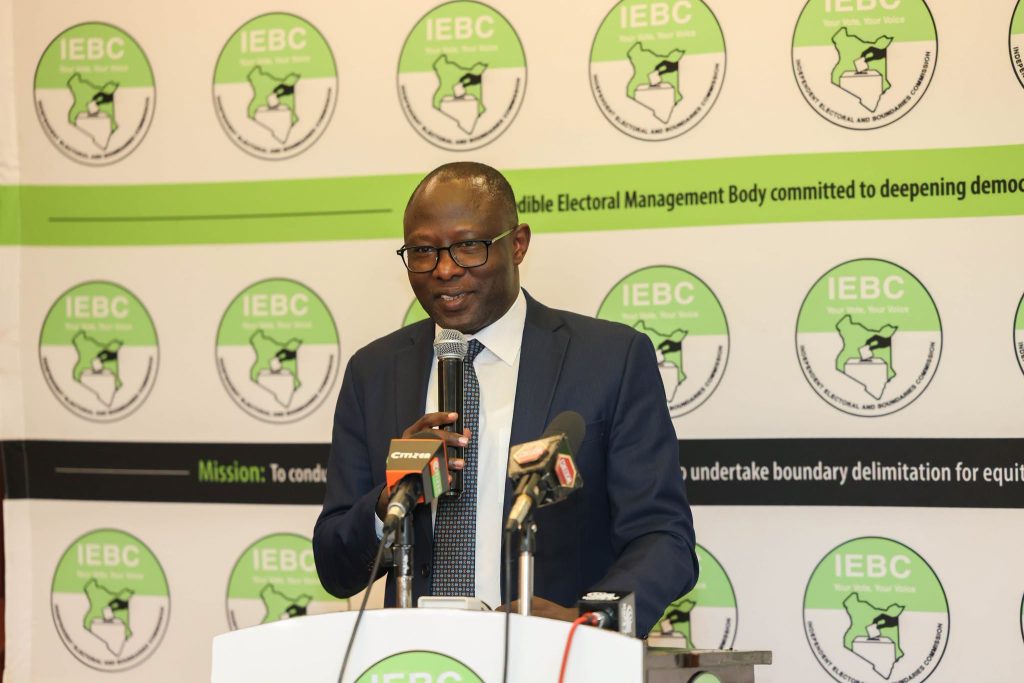
Maraga’s coalition had already made abolition of the national tallying centre one of its principal electoral reform demands. The group has also called for an independent audit of the voters’ register, decentralised election technology, tougher penalties for electoral offences and a more transparent process for recruiting IEBC officials.
The coalition has argued that the Constitution does not expressly establish a national tallying centre and has proposed a system in which constituency-level results would be published through an auditable and publicly accessible process.
The High Court ruling does not adopt that proposal. Instead, it preserves the national tallying system while setting out safeguards intended to protect the integrity of constituency results and improve transparency during the final aggregation process.
With less than a year remaining before the 2027 General Election, the dispute is therefore likely to remain part of Kenya’s wider debate over electoral reform, particularly the handling, verification and public scrutiny of presidential results.
For Maraga and the coalition, the latest judgment has not ended that debate.
“We shall not relent,” Maraga said, reaffirming the group’s pursuit of an electoral system in which results are transparent, verifiable and consistent with the Constitution.