Only 14 of the 443 Shakahola remains being held at Malindi Sub-County Hospital have so far been identified by relatives through DNA matching, with Kilifi County giving families 21 days to come forward before it seeks court authority to bury the unclaimed remains.
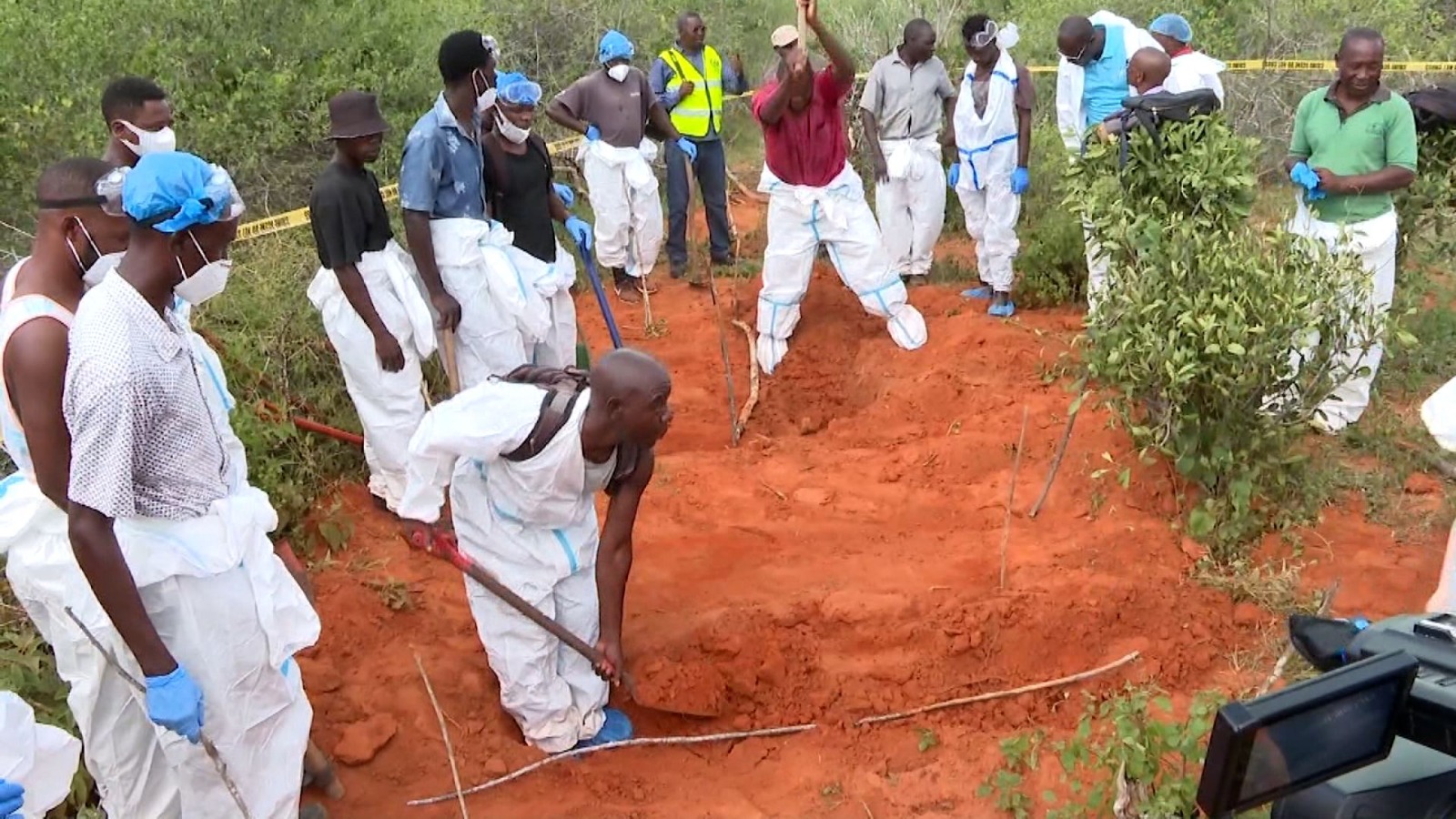
The remains include complete bodies and body parts recovered during the exhumation of mass graves in Shakahola Forest, where hundreds of suspected followers of preacher Paul Mackenzie died.
More than three years after the discovery of the graves, the county is now preparing to bring the identification and storage process to a close.
Kilifi County says it wants the interment process concluded by December. If the 21-day notice expires without the remaining bodies being claimed, officials will approach the courts for permission to proceed with burial.
What happens after the 21-day Shakahola deadline?
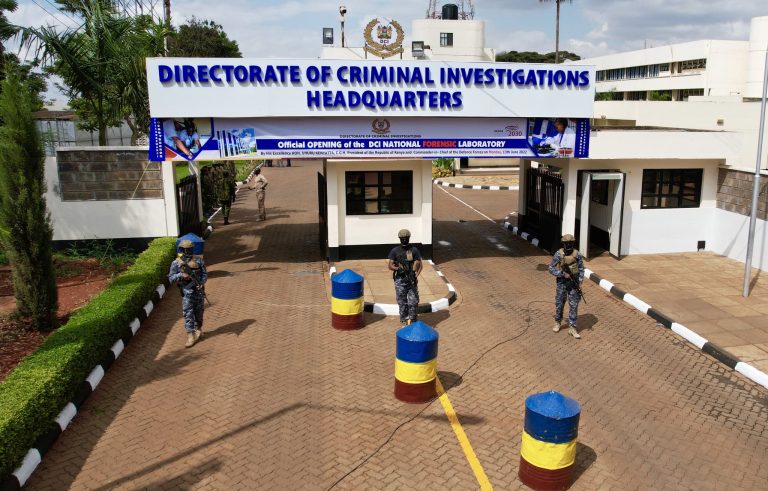
Kilifi County Executive for Health Peter Mwarogo said the Directorate of Criminal Investigations (DCI) has completed its investigations involving the remains and given the county the go-ahead to begin preparations for interment.
“We have embalmed the 443 bodies which are at our base. They have given us the go-ahead for the interment of the bodies,” Mwarogo said.
Mwarogo spoke on Monday during a meeting with members of the Senate committees on Public Investments and Special Funds, and Health, at Malindi Sub-County Hospital.
The county has already published a Gazette notice giving relatives 21 days to identify and collect their family members’ remains.
Mwarogo said land near Shakahola Forest had been identified for the burial of any remains that remain unclaimed after the legal process.
He said the remains would be interred in a manner that allows them to be identified in future.
“They have to be disposed of in a way that they can be identified even several years if somebody comes here,” he said.
The DCI is expected to guide the interment process.
Mwarogo also said investigators had retained records from the DNA matching and identification exercise for purposes of ongoing legal proceedings.
Why some identified families have not collected remains
The county says identification has not necessarily resulted in families collecting the remains.
Mwarogo said some families had managed to trace their relatives but declined to take the bodies because of the stigma associated with the Shakahola tragedy.
“Some people were able to trace their relatives, but they refused to come and take the body because of the stigma that is associated with this whole process,” he said.
The 443 remains include both complete bodies and body parts.
Mwarogo said some of the remains were fragmented or damaged during the period of exhumation and recovery. He also said some body parts had been affected by wild animals before they were recovered.
“Some are full bodies and others are body parts because by the time the exhumation was being done, some had been eaten by wild animals,” he said.
Senators want wider publicity
Senators have questioned whether publishing the deadline in the Kenya Gazette alone will reach all families still searching for relatives.
Elgeyo Marakwet Senator William Kisang urged the county to publicise the notice through television, newspapers and social media.
“Who reads the Gazette notice?” Kisang said.
He argued that wider publicity was necessary because some families could still be trying to establish what happened to relatives who disappeared during the Shakahola tragedy.
The senators’ concern adds another issue to the burial process: ensuring that families who may still be searching for missing relatives are aware of the deadline before the county seeks court approval to inter the unclaimed remains.
Temporary morgue adds pressure
Kilifi County also wants the process completed because the Shakahola remains are occupying space at Malindi Sub-County Hospital.
The remains are being stored separately from the hospital’s conventional mortuary.
Mwarogo said the hospital’s normal mortuary has a capacity of 25 bodies and currently holds 22, leaving limited room for additional cases.
The county is constructing a new mortuary behind the hospital to ease the pressure. The facility is about 90 per cent complete and is expected to become operational in the coming months.
For now, the 443 Shakahola remains remain in temporary storage while the 21-day period runs.
If families come forward, the county can continue the identification and collection process. If the deadline expires without the remaining remains being claimed, Kilifi County will seek a court order before proceeding with the planned interment.
The county has said the burial will be conducted in a way that preserves the possibility of future identification, while DNA records will remain available as part of the ongoing legal proceedings.