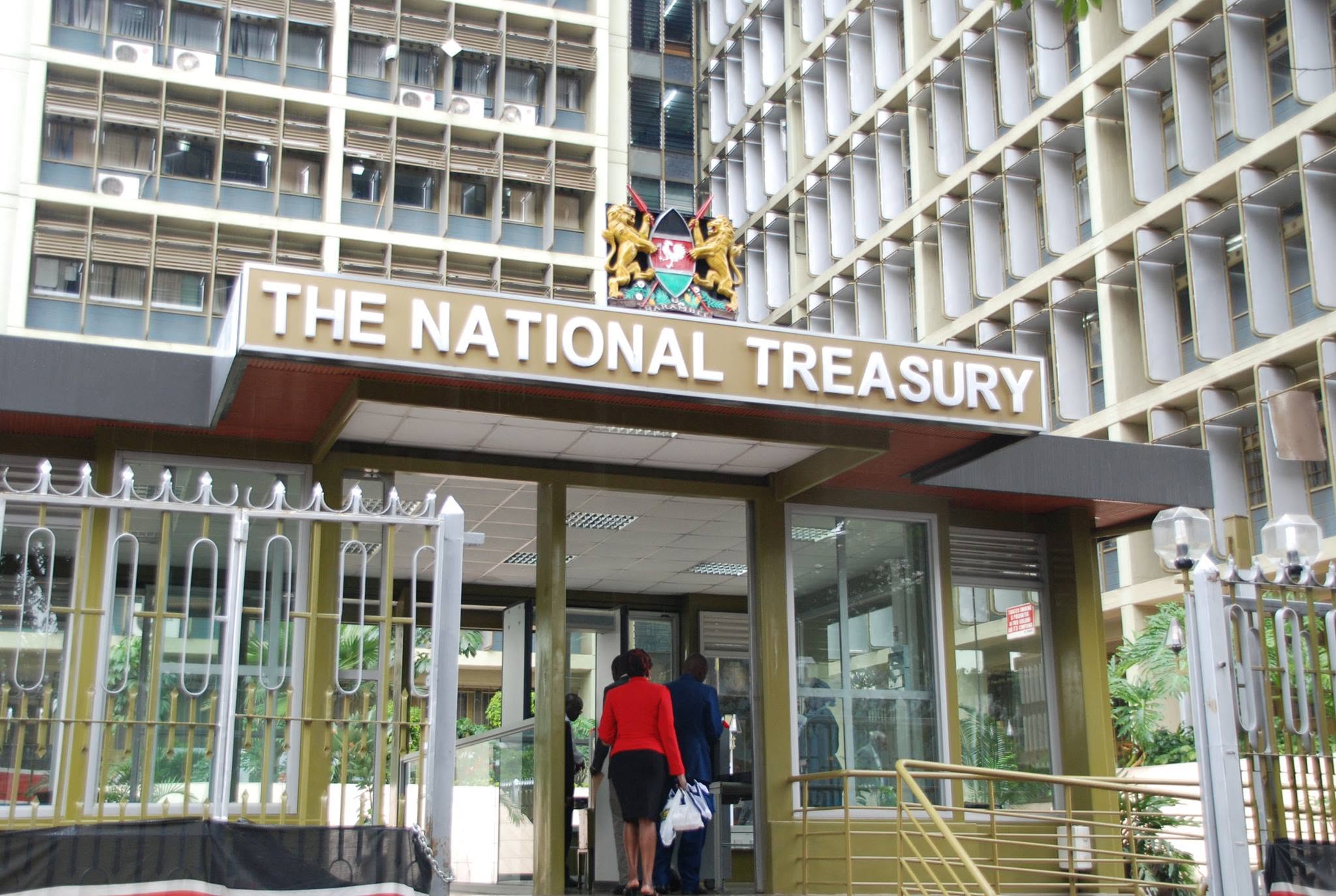

Kenya’s National Treasury has identified a Ksh32.1 billion funding gap affecting government programmes and activities in the proposed 2027/28 budget, with the Kenya Revenue Authority (KRA) accounting for more than half of the amount.
The shortfalls appear in a National Treasury submission to Parliament on its proposed budget allocations for the 2027/28 financial year. The document lists programmes and activities that remain partially funded or unfunded under the proposed Budget Policy Statement (BPS) ceiling.
“Due to the constrained fiscal environment, several programmes and activities remain partially funded or unfunded, amounting to Kshs.32,101.2 million,” the Treasury says in its submission.
The figure is equivalent to approximately Ksh32.1 billion. It represents funding requirements that have not been accommodated within the proposed ceiling; it is not evidence that Parliament has approved cuts of the same amount or that the affected services have already been stopped.
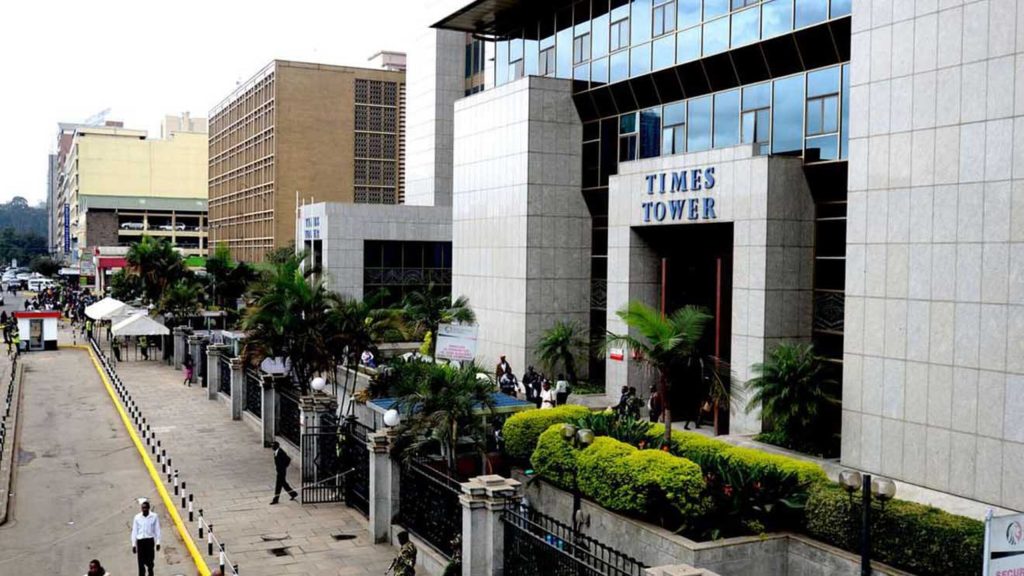
KRA seeks Ksh17.4B
KRA has the largest listed shortfall, at Ksh17.4799 billion, according to Annex III of the Treasury submission.
The authority says the funding is needed for existing contracted services and revenue mobilisation activities. The listed requirements include system licences, field operations, compliance checks, audits, investigations, enforcement, transport, electronic seal maintenance, staff training, taxpayer education and repairs.
The annex warns that inadequate funding “will result in withdrawal of services, pending bills, contract default among others.”
It also identifies Ksh5.3 billion in pending bills linked to court awards, including Ksh4.5 billion in the Habimana Sued Hemed matter, as well as Ksh829 million in EGMS debt.
The KRA requirement is particularly significant because the Treasury’s wider budget proposals rely on increased domestic revenue collection. The document sets an ordinary revenue target of Ksh3.2492 trillion for 2027/28, up from Ksh2.9019 trillion.
The submission does not say that the KRA shortfall will automatically cause the revenue target to be missed. However, it highlights competing funding demands within the government’s plan to raise more revenue.
Agencies face shortfalls
Other institutions have also listed funding requirements for salaries, operations, oversight and financial management.
The Treasury has included Ksh660 million for salaries and allowances of former National Health Insurance Fund staff deployed to the National Treasury. Its headquarters has requested Ksh1.15 billion for general administration and support services, covering maintenance, transport hire, telephone services and other operational expenses.
Treasury technical departments have a further Ksh1.28 billion shortfall for operational needs and statutory reporting.
The Financial Reporting Centre (FRC), which handles financial intelligence and supports efforts against money laundering and terrorism financing, has listed a Ksh1.28128 billion funding gap.
Its annex says nearly four-fifths of the Centre’s core operational, technical and supervisory budget is unfunded. It identifies Ksh533.75 million in requirements linked to Kenya’s efforts to exit the Financial Action Task Force (FATF) grey list and Ksh581.83 million for critical information technology infrastructure and security.
The Centre warns that the funding constraints could affect its anti-money laundering and counter-terrorist financing framework. It also identifies risks involving software licences, ageing network and backup systems, cybersecurity tools, inspections and training.
These are risks set out by the institution in the Treasury annex, rather than confirmation that the listed operations have already been suspended.
No new projects
The funding gap comes as the Treasury says its project allocations are being directed towards existing commitments rather than new projects.
“The National Treasury’s project allocations focus on government counterpart funding, settlement of audited pending bills and court awards, and ongoing projects,” the submission states.
It adds: “No new projects have been included under the current fiscal ceiling.”
The statement refers specifically to the National Treasury’s project allocations. It should not be read as confirmation that every government ministry or agency has halted all new projects.
The Treasury also identifies rising public debt and debt-service costs, refinancing needs and exposure to interest-rate and exchange-rate risks as pressures on the fiscal position.
It says these challenges underline the need for prudent borrowing, debt-risk management, fiscal consolidation and stronger domestic revenue mobilisation.
The Ksh32.1 billion in unfunded priorities therefore illustrates the pressure on the proposed 2027/28 spending ceiling. The submission sets out the institutions’ funding needs and the risks they associate with the gaps; the final allocations will depend on the budget process and Parliament’s decisions.