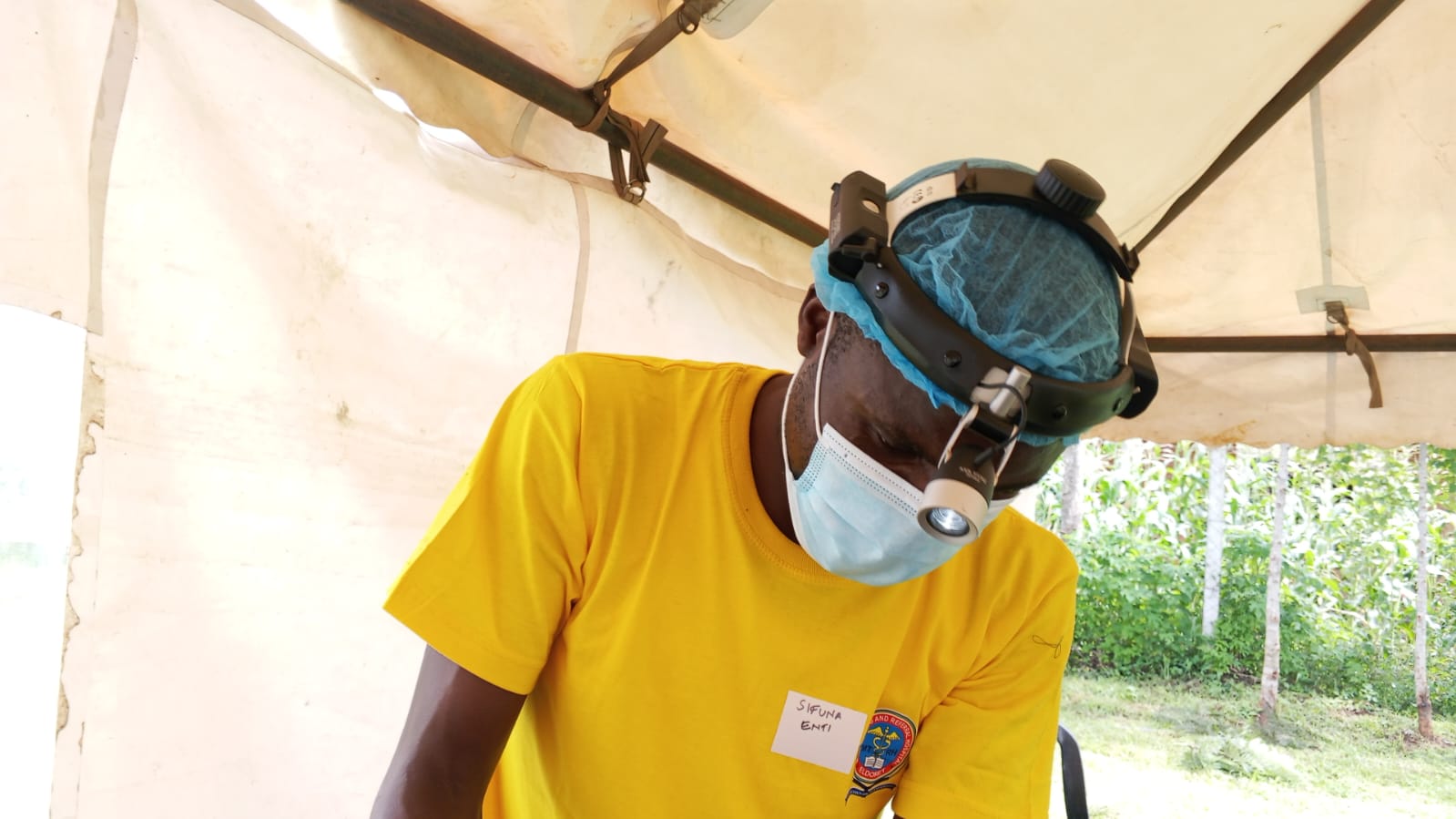

More than 2,000 residents received medical attention on the opening day of the 8th Ndhiwa Healthy Free Medical Camp, where portable ultrasound machines and digital consultation platforms are being used to bring diagnosis and specialist care closer to patients in rural Homa Bay County.
Beyond the free medical services, this year’s outreach has introduced technology aimed at reducing delays in diagnosis and connecting local healthcare workers with specialists who may not be physically present at the facility.
A major highlight is the introduction of portable point-of-care ultrasound machines by Ohana One, an organisation supporting healthcare delivery through digital innovations.
The devices, which connect to mobile phones through Bluetooth and an application, allow healthcare workers to conduct scans at different service points instead of relying on a single machine in a central location.
Dr Peter Rono of Ohana One says the innovation builds on lessons from last year’s camp, when approximately 6,800 people were screened but access to ultrasound services was constrained by limited equipment.
“Last year, we realised that there were a lot of scans that were done, but it took a lot of time because they only had one ultrasound machine from Ndhiwa,” he says.
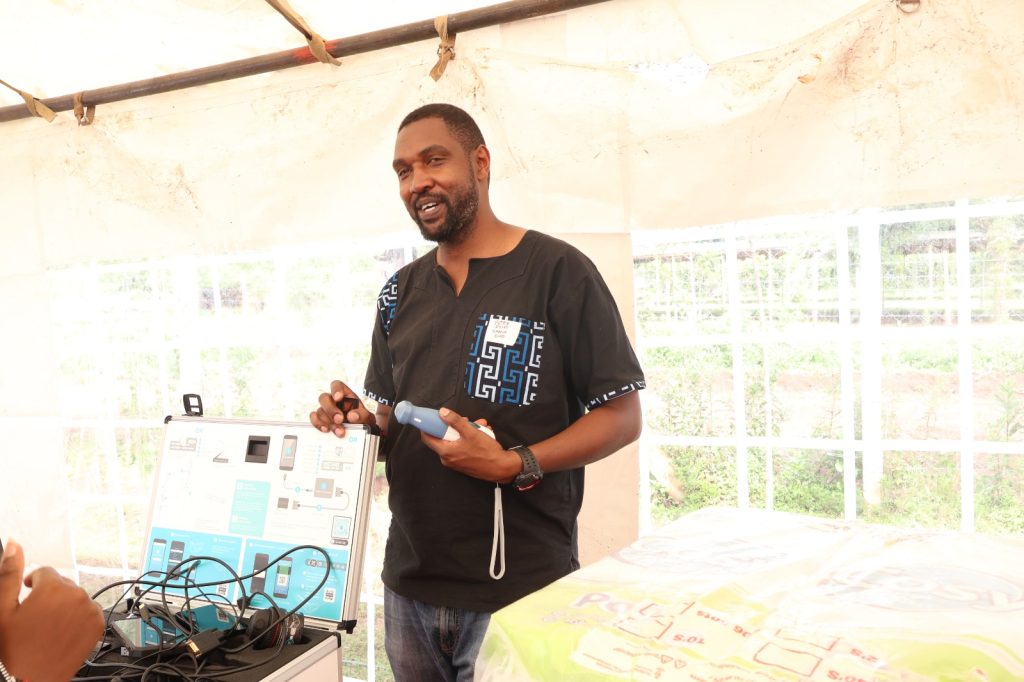
With additional portable machines introduced this year, healthcare workers can move the equipment closer to patients, potentially reducing queues and the time spent waiting for diagnostic services.
Remote specialists support local doctors
Ohana One has also expanded the use of smart glasses and remote consultation platforms to enable doctors at the camp to seek guidance from specialists elsewhere.
Its Teleview technology can connect up to 10 remote experts to one medical procedure, while a newer platform, Rods and Cones, can accommodate up to 50 specialists observing and guiding a procedure remotely.
“Like 50 remote experts can be able to follow one procedure,” Rono says.
The technology offers a way of extending specialist input to medical teams working in areas where access to certain expertise may be limited, without requiring every specialist to travel to the camp.
Snakebite education targets rural communities
The Kenya Snakebite Research and Intervention Centre, under the Kenya Institute of Primate Research, brought four snakes, two venomous and two non-venomous, to demonstrate their differences and educate residents on how to respond to snake encounters.
Clinical and public health research scientist Cecilia Ngare says the sensitisation targets farmers, children, parents, community members and community health promoters, while equipping healthcare workers with information on identifying medically significant snakebites.
She says Kenya has approximately 140 snake species, but only 13 are of medical importance, challenging the perception that every snake poses a serious medical threat.
The team is also addressing misconceptions surrounding traditional remedies, particularly the use of black stones believed to draw venom out of the body.
“The truth of the matter is that these black stones do not really suck out the venom,” Ngare says.
She warns that relying on such practices can delay medical treatment, increasing the risk of serious wounds, disability, amputations and death.
Instead, she advises victims to remain calm, move away from the snake, minimise movement and immobilise the affected body part while seeking immediate medical attention. Antivenom administered at a health facility is the appropriate treatment for venomous snakebites.
Patients reveal the need for free care
The importance of bringing services closer to residents is reflected in the experiences of patients attending the camp.
Among them is Florence Atieno, an elderly grandmother who sought treatment for an eye condition that causes pain and excessive watering.
She says she had previously attended a medical camp but did not receive the assistance she needed, forcing her to continue managing the condition until friends informed her about the Ndhiwa outreach.
Her financial challenges are compounded by family responsibilities. She says the loss of her 13 children, who left behind grandchildren, has placed the responsibility of raising the young ones on her.
The little money she receives goes towards supporting her grandchildren, leaving little for her own healthcare needs.
The free camp therefore provides an opportunity to seek medical attention without facing the usual financial burden of hospital visits.
Technology and access to healthcare
The opening-day turnout of 2,057 patients demonstrates the demand for accessible medical services in the area, while the introduction of portable scanning equipment and remote consultation platforms points to a broader approach to delivering healthcare.
By combining medical screening, specialist services, technology and public health education, the Ndhiwa camp is seeking to address both immediate treatment needs and gaps in access to medical information and expertise.
For residents such as Atieno, however, the value of these interventions will ultimately depend on whether they translate into timely diagnosis, appropriate treatment and more affordable healthcare beyond the medical camp.