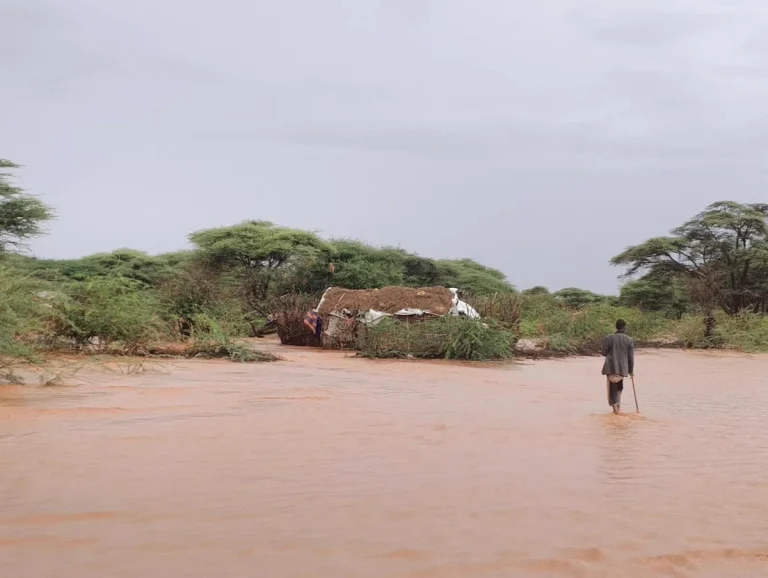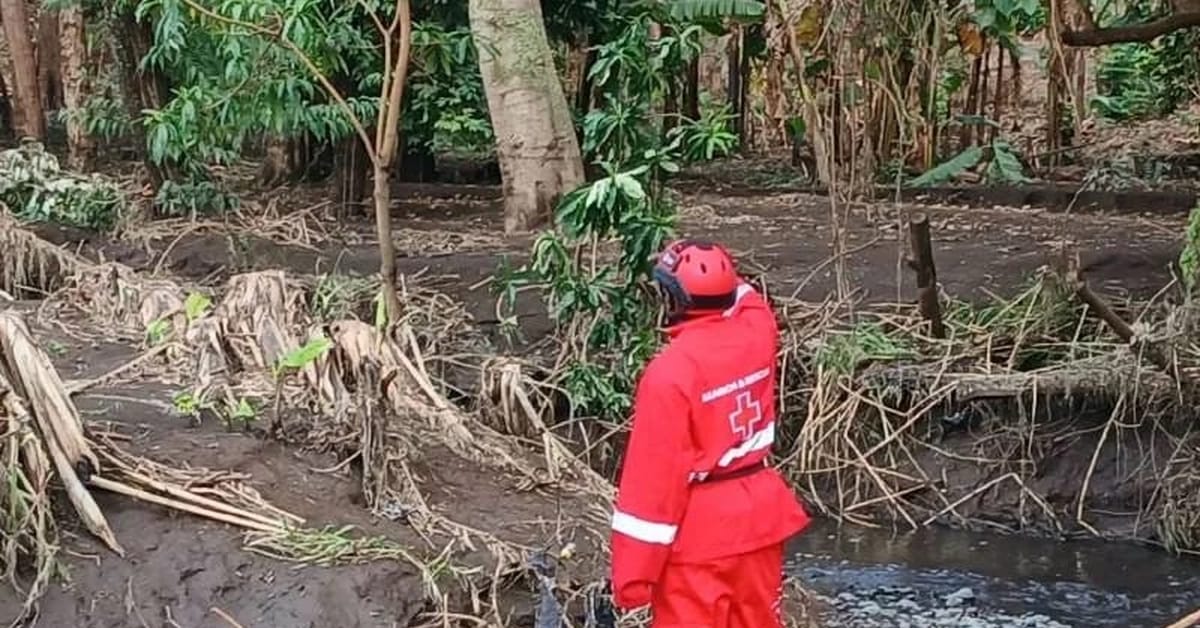
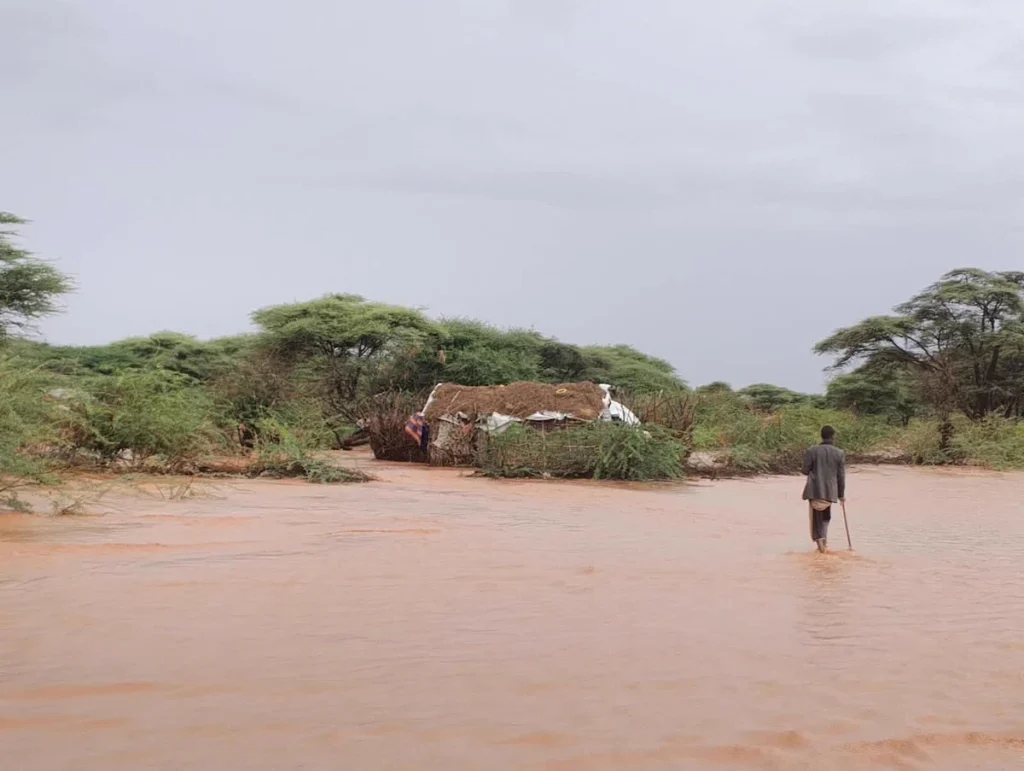
The Kenya Meteorological Department has urged residents in flood-prone areas to take precautions as rainfall continues across coastal, eastern and central parts of the country, raising concerns about flash floods, rising river levels and damage to property.
Mombasa, Tana River, Kitui, Machakos and Makueni are among the counties highlighted in the weather warning, with residents advised to remain alert, particularly in areas that regularly experience heavy rainfall and flooding.
The warning comes as Kenya experiences its October-December (OND) short-rains season, with international climate agencies reporting strengthening El Niño conditions that could contribute to above-average rainfall across East Africa.
According to Kenya Met’s weekly weather forecast issued on 16 November, rainfall is expected to continue in 36 counties between 17 and 23 November 2026.
Kenya Met identifies counties expecting continued rainfall
The five counties identified in the advisory face varying rainfall patterns during the forecast period.
Kenya Met expects morning showers in parts of Mombasa and Tana River, while Kitui, Machakos and Makueni are likely to experience morning rainfall.
Afternoon showers are also forecast across all five counties, with Kitui, Machakos and Makueni among areas where night-time showers are possible.
The latest rainfall observations highlight the intensity of precipitation already recorded in parts of the country.
Kenya Met reported that Kalungu Rainfall Station in Kitui County recorded 147.7 millimetres of rainfall between 9 and 15 November, the highest seven-day total recorded nationally during that period.
The figures underline the need for residents, particularly those living in low-lying settlements and near rivers, to monitor changing weather conditions.
El Niño raises concerns about flooding in East Africa
The flood warning comes against the backdrop of a strengthening El Niño event.
In its 12 November 2026 ENSO diagnostic update, the United States National Oceanic and Atmospheric Administration (NOAA) said El Niño was continuing to strengthen, with a strong-to-very-strong event likely to persist through January-March 2027.
NOAA put the probability of those conditions continuing through that period at more than 79 per cent.
However, the climate agency cautioned that even a very strong El Niño does not guarantee that every region will experience the same weather impacts.
The Famine Early Warning Systems Network (FEWS NET), in its 13 November East Africa Seasonal Monitor, warned that the combination of El Niño and a positive Indian Ocean Dipole could increase cumulative rainfall across much of the region.
“Flood risk remains high for the remainder of the season across East Africa particularly within flood prone areas,” FEWS NET stated.
The organisation identified November as a likely peak rainfall month, while warning that intense rainfall episodes could increase the risk of river flooding, flash floods and waterlogging.
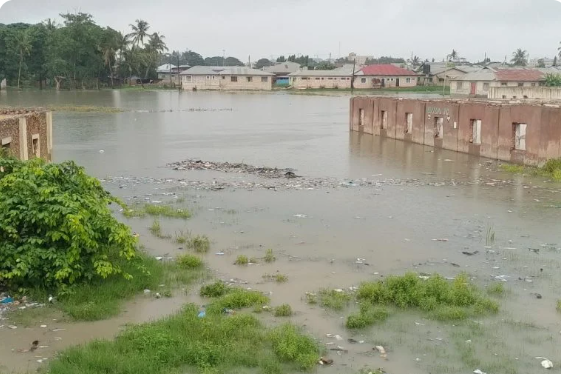
Importantly, FEWS NET reported that Tana River County experienced localised flooding in late October following heavy rainfall in the region. Seasonal rivers in Moyale also reached bankfull levels within 24 hours after an estimated 133mm of rainfall on 28 October.
Residents urged to take flood precautions
Residents in Mombasa, Tana River, Kitui, Machakos and Makueni have been encouraged to take precautionary measures as the rainy season progresses.
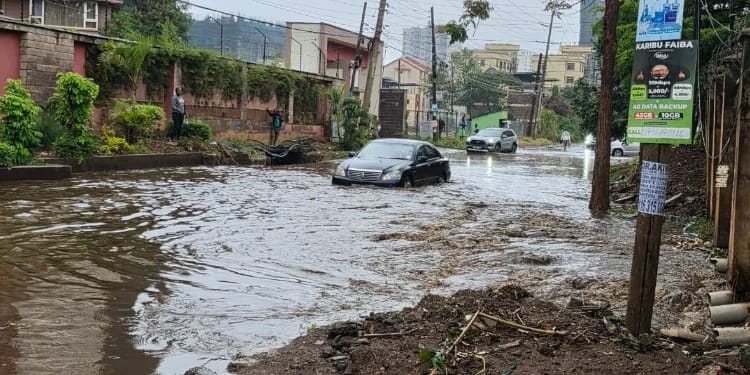
People living near rivers, drainage channels and flood-prone settlements should remain particularly vigilant, as heavy rainfall upstream can cause water levels to rise rapidly, even when rainfall is not occurring directly in their neighbourhoods.
Motorists and pedestrians should avoid crossing flooded roads, bridges and rivers. Parents and guardians should also keep children away from swollen waterways and open drainage channels.
Households are encouraged to clear drainage systems, secure important documents and prepare emergency supplies where necessary.
County governments and disaster response agencies should strengthen surveillance in vulnerable areas, communicate weather alerts promptly and prepare evacuation arrangements where flooding threatens settlements.
Kenya’s flood preparedness remains critical
Although the anticipated rains could improve water availability, replenish reservoirs and support agricultural activities, excessive rainfall presents serious challenges for communities and infrastructure.
Flooding can destroy crops, displace families, contaminate drinking water and disrupt transport, education and economic activities.
For residents across Kenya’s coastal and eastern counties, the immediate priority is to monitor official weather forecasts and respond promptly to warnings from emergency authorities.
With El Niño expected to remain influential into early 2027, preparedness, timely communication and coordinated county-level disaster response will be essential in reducing the potential impact of floods.