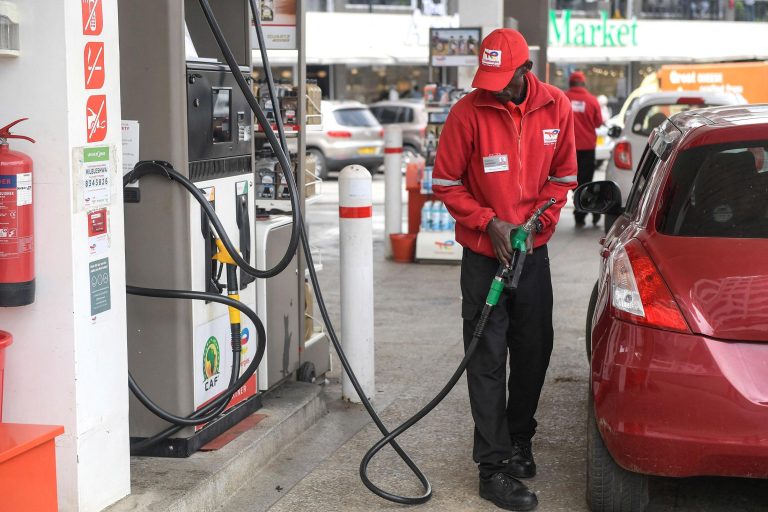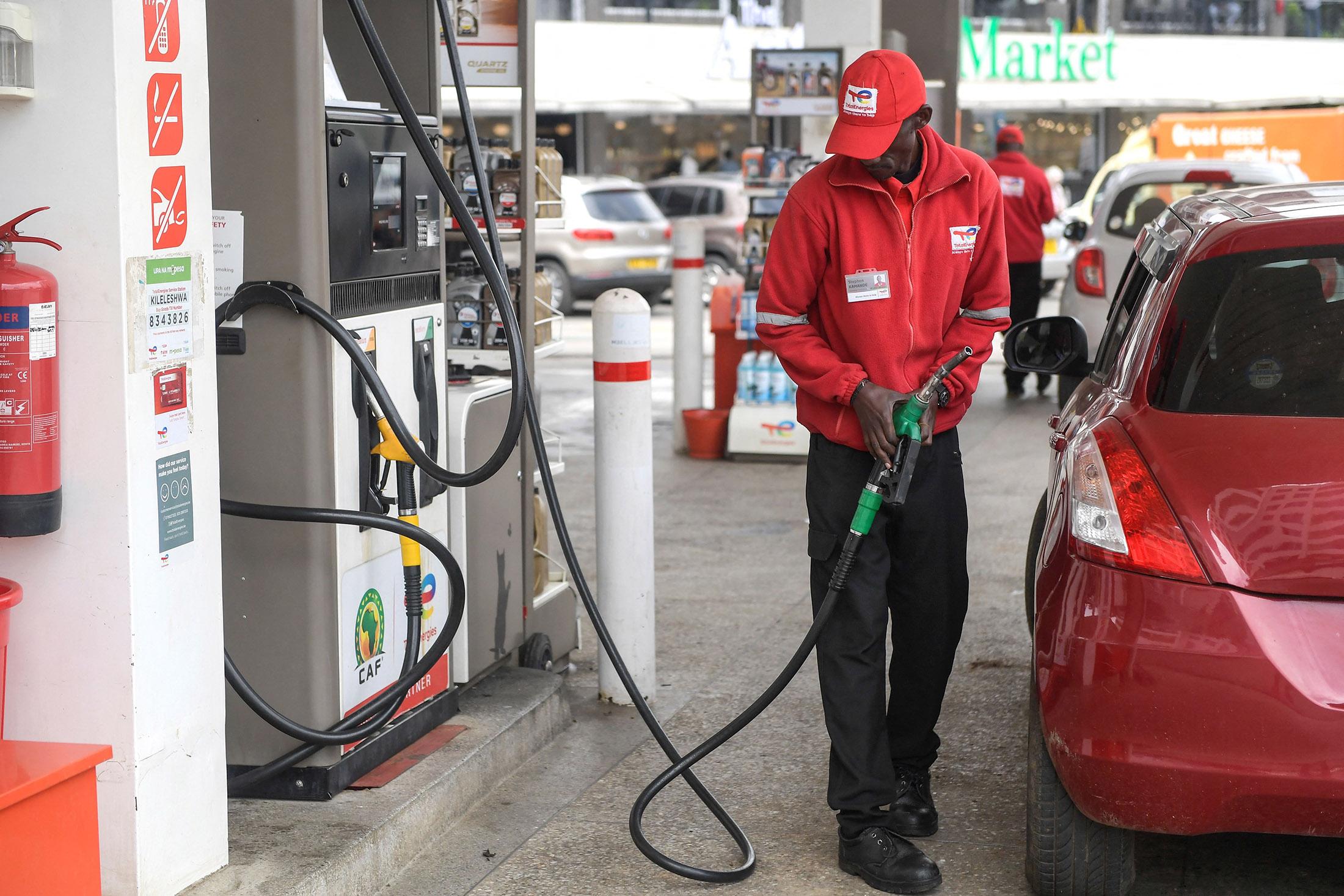
The government has spent Ksh4.6 billion from the Petroleum Development Levy Fund to prevent increases of Ksh8.58 per litre in petrol and Ksh10.54 in diesel after imported fuel costs rose in October.
The Energy and Petroleum Regulatory Authority (EPRA) has maintained petrol, diesel and kerosene prices in Kenya for the November 15 to December 14, 2026 period, despite an increase in the cost of importing refined petroleum products.
In its latest monthly fuel price review released on November 14, EPRA attributed the unchanged pump prices to a Ksh4.6 billion government intervention through the Petroleum Development Levy Fund, which absorbed the additional costs that would otherwise have been passed on to consumers.
Without the intervention, Super Petrol would have increased by Ksh8.58 per litre, Diesel by Ksh10.54 and Kerosene by Ksh1.16.
“The Government has applied KShs.4.6 Billion from the Petroleum Development Levy Fund to stabilize the computed petroleum pump prices for the November-December 2026 cycle,” EPRA said in its notice.
The decision offers motorists and households temporary relief from higher fuel costs, even as the price of imported petroleum products continues to put pressure on domestic pump prices.
EPRA explains rising petrol and diesel import costs
EPRA’s latest data shows that the average landed cost of all three imported petroleum products increased between September and October 2026, creating pressure for higher retail fuel prices.
Super Petrol recorded a 6.11 per cent increase in landed cost, rising from US$977.55 per cubic metre in September to US$1,037.30 per cubic metre in October.
Diesel registered the largest increase at 6.73 per cent, with its average landed cost climbing from US$1,065.38 to US$1,137.09 per cubic metre.
Kerosene also became more expensive, although its increase was comparatively modest at 0.71 per cent, with the average landed cost rising from US$1,098.31 to US$1,106.11 per cubic metre.
Landed cost refers to the cost of importing petroleum products and bringing them into the country, including applicable import-related expenses. Changes in these costs influence the monthly calculations used to determine maximum retail fuel prices.
The increases meant that oil import costs were higher in October than in September. Ordinarily, such increases would exert upward pressure on the prices charged at petrol stations.
However, the government used the Petroleum Development Levy Fund to absorb the resulting price adjustments, allowing EPRA to maintain the existing maximum retail prices for the November-December cycle.
How Ksh4.6 billion kept fuel prices unchanged
The Petroleum Development Levy Fund is being used to cushion consumers against increases in domestic fuel prices arising from higher petroleum import costs.
For the latest pricing cycle, the government applied Ksh4.6 billion from the fund to stabilise the computed pump prices of Super Petrol, Diesel and Kerosene.
The intervention prevented a potential increase of Ksh8.58 per litre in petrol, making it possible to maintain the existing maximum retail prices.
Diesel consumers avoided an even larger increase of Ksh10.54 per litre, while kerosene users were protected from an additional Ksh1.16 per litre.
The decision is significant because changes in fuel prices can affect transportation, distribution and production costs across the economy.
Diesel is widely used in commercial transport, logistics and industrial operations, meaning higher prices can increase the cost of moving goods and running businesses.
Petrol price increases directly affect private motorists and public transport operators, while kerosene remains an important household fuel for some consumers.
By absorbing the latest cost increases, the government has prevented an immediate rise in fuel-related expenses for households and businesses.
EPRA confirms 8 per cent VAT on Kenya fuel prices
EPRA said the maximum retail petroleum prices for November 15 to December 14 include Value Added Tax (VAT) at 8 per cent.
The authority explained that the tax rate is in line with government policy aimed at cushioning consumers against the negative effects of high international petroleum prices.
The latest fuel price review was conducted under Section 101(y) of the Petroleum Act, 2019, and Legal Notice No.192 of 2022, which provide the legal framework for the determination of maximum retail petroleum prices.
Although petrol, diesel and kerosene prices will remain unchanged during the latest pricing cycle, the underlying increase in landed costs highlights the pressure facing the domestic petroleum market.
The current prices will remain in force until December 14, 2026, when the next monthly pricing cycle is due to begin.