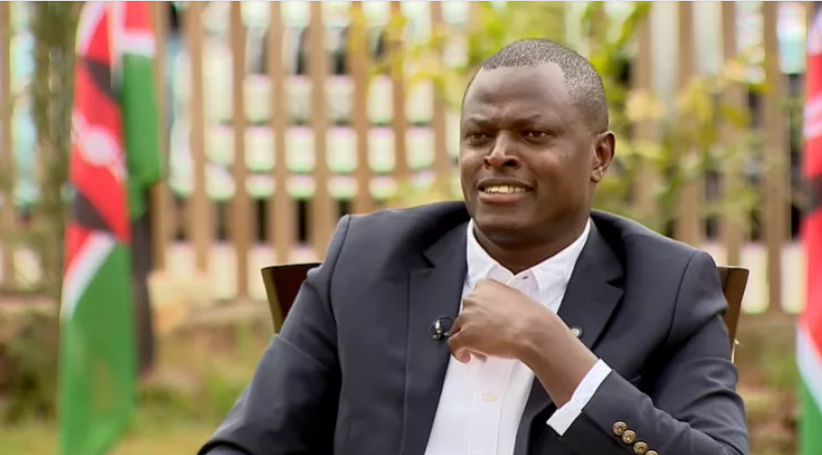
Kiharu MP Ndindi Nyoro has accused President William Ruto of putting Kenyan pensioners’ savings at risk by allegedly directing state corporation executives to buy shares in the Kenya Pipeline Company (KPC) before instructing them to sell the holdings to a private investor.
Nyoro questioned the use of money belonging to workers and retirees in the transactions, arguing that the investment decisions raised concerns about the protection of retirement savings and the management of public funds.
Speaking in Kiharu on Tuesday, October 27, 2026, the legislator alleged that the President influenced decisions involving funds entrusted with managing Kenyans’ retirement benefits, claiming that the institutions were drawn into the KPC share transactions.
“William Ruto, the CEOs of these institutions, the money belonging to NSSF, PCF and other funds, and the money of Kenyans who have retired, this is their retirement money. You invested their money in Kenya Pipeline,” Nyoro said.
He was referring to the National Social Security Fund (NSSF), the Policyholders Compensation Fund (PCF) and other institutions whose investments are expected to serve their beneficiaries.
The MP also claimed that the transactions generated profits of approximately Ksh16 billion within five days, contrasting the alleged gains with the economic difficulties facing ordinary Kenyans.
However, the claimed profit and the alleged presidential instructions have not been independently established by the information provided. The transactions, including the institutions’ purchase prices, sale proceeds and any costs incurred, would need to be examined to determine the actual returns.
Nyoro questions who benefited from KPC shares
Nyoro’s allegations centre on the movement of KPC shares from public institutions to a private investor and whether the transactions served the interests of the funds’ beneficiaries.
The legislator questioned why money entrusted to institutions responsible for safeguarding retirement savings was invested in the pipeline company and subsequently involved in a share sale.
His remarks raise questions about the decision-making process behind the investments, including whether the funds acted independently and whether their executives complied with their fiduciary responsibilities.
KPC operates critical petroleum transportation infrastructure in Kenya, making its ownership and investment structure a matter of public interest.
The transaction has also drawn attention to the role of private investors in acquiring shares in strategic state-linked enterprises and the extent to which such deals benefit public institutions and ordinary Kenyans.
Nyoro warned that the share transactions could form part of a broader plan to transfer ownership or influence over KPC to private interests. The allegation remains unverified and would require evidence on the shareholding changes and the intentions of the parties involved.
Government faces questions over KPC transaction
The allegations add to public debate over the management of state assets, the role of private capital and the transparency of major financial transactions.
The government has presented the KPC share sale as part of efforts to mobilise capital for infrastructure development. Treasury officials have also said proceeds from the initial public offering were deposited into the National Infrastructure Fund.
Nyoro’s claims about the alleged instructions to public institutions and the KSh16 billion profit require further verification, including responses from the government, the relevant funds and the parties involved in the share transactions.
The MP’s remarks place particular focus on whether investment decisions involving pensioners’ money were made in accordance with the funds’ mandates and in the best interests of their beneficiaries.
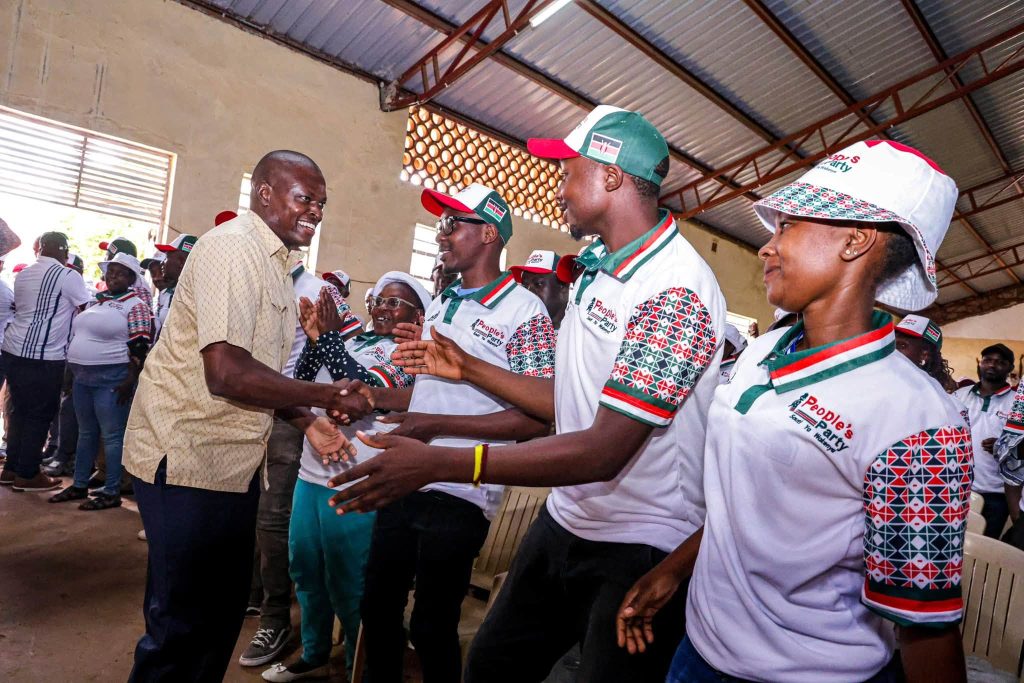
Nyoro rejects claims he is Ruto’s political mole
During the same address, Nyoro dismissed claims that he was a government mole, insisting that attacks against him would not prevent him from raising concerns about public affairs.
His criticism of the KPC transaction signals a continued willingness to challenge decisions by the Ruto administration, particularly those involving public resources and economic management.
The legislator’s remarks are likely to fuel political debate over the government’s handling of strategic assets and the accountability of public institutions.
United opposition ahead of 2027
Nyoro also urged opposition leaders to set aside their differences and agree on a single presidential candidate and running mate ahead of the 2027 General Election.
He argued that unity would be essential for mounting a serious challenge against Ruto’s administration, warning implicitly that divisions could weaken the opposition’s electoral prospects.
The appeal comes as political leaders begin positioning themselves ahead of the next election, with economic management, the cost of living and the stewardship of public resources expected to remain key campaign issues.
Nyoro’s intervention links the KPC controversy to a broader political argument over accountability and the future direction of Kenya’s economic leadership.