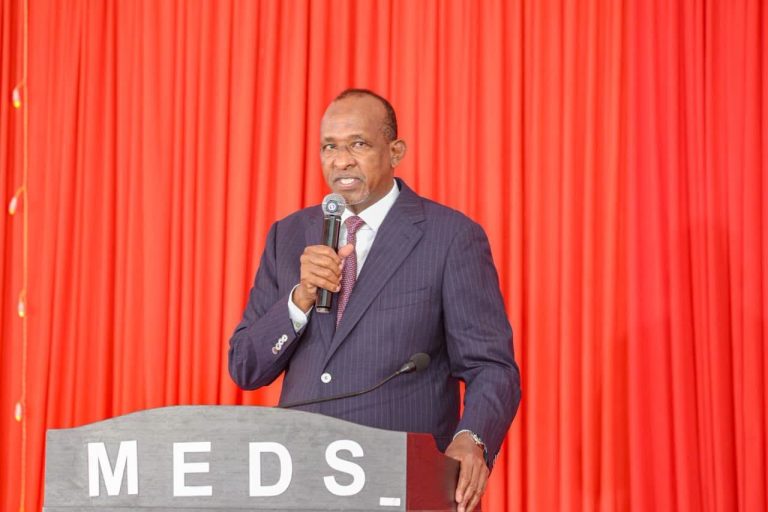
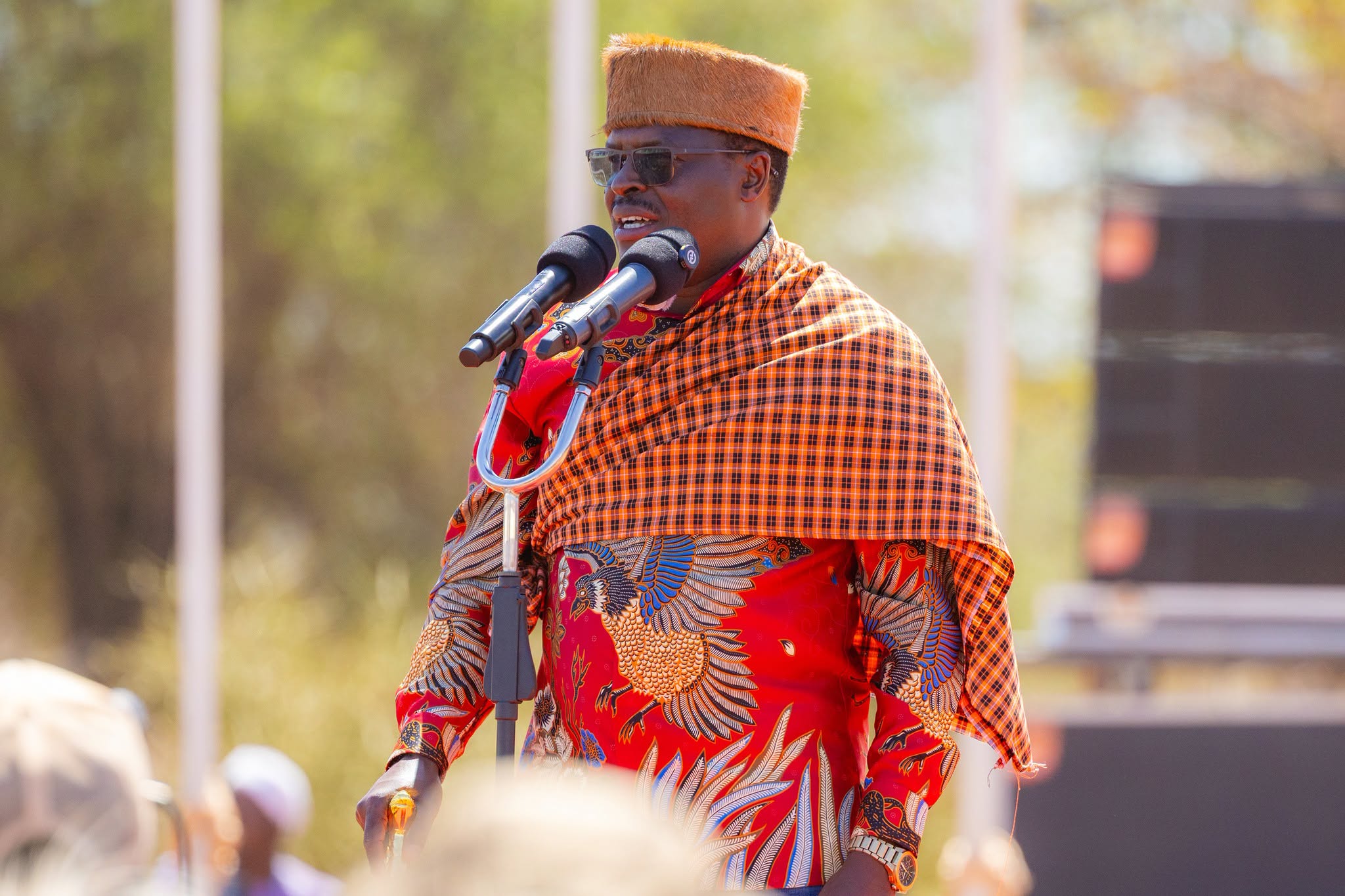
The Senate Education Committee has escalated its months-long standoff with Tharaka Nithi Governor Muthomi Njuki, directing Inspector General of Police Douglas Kanja Kirocho to issue an arrest warrant and secure his appearance before the committee.
The directive followed Njuki’s failure to appear before the committee on Thursday, October 1, despite a succession of invitations and summonses issued since March over the implementation of Early Childhood Development Education (ECDE) and County Vocational Education and Training (CVET) programmes in Tharaka Nithi County.
The committee has ordered that the governor be produced before it on November 17, 2026, at 9 a.m.
According to the committee, Njuki was first invited to appear on March 12 to answer questions on the status of ECDE and vocational training programmes in the county.
At the County Government’s request, the committee rescheduled that appearance to June 16. The governor, however, did not attend.
The committee subsequently set another date for July 16 before issuing a formal summons requiring Njuki to appear on August 4 and submit written information on the implementation of the education programmes.
He again failed to appear, according to the committee.
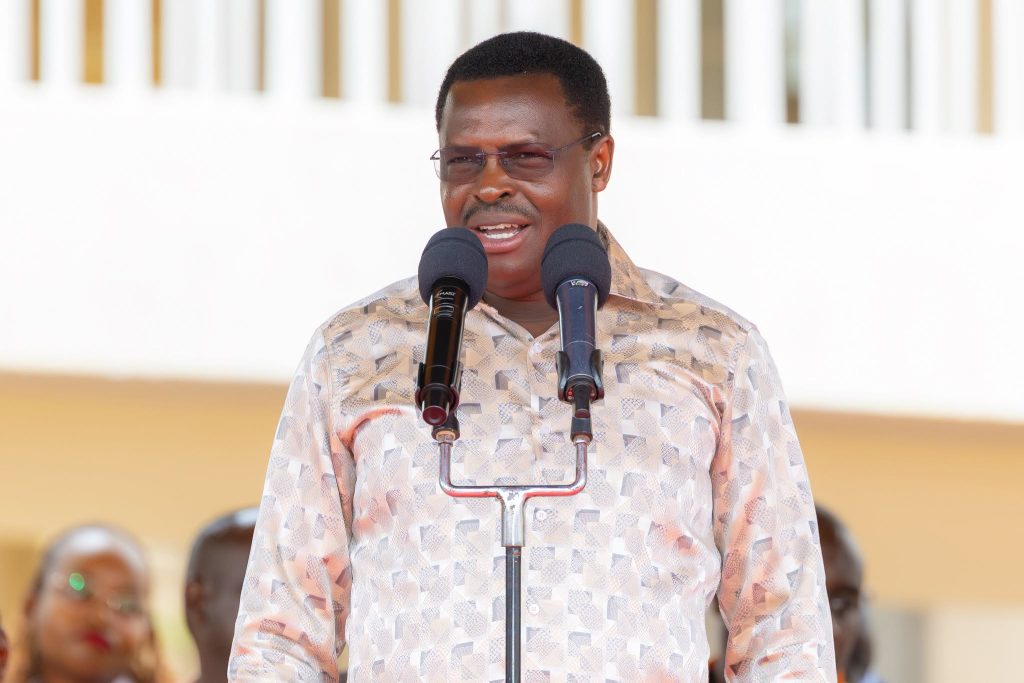
The senators responded by imposing a Ksh500,000 fine at their August 4 sitting for failure to honour the summonses. The committee says the penalty was formally communicated to the governor on August 19.
The fine did not resolve the dispute.
Njuki was summoned to appear on September 8, but the committee says he neither attended nor paid the Ksh500,000 penalty.
The committee then issued another summons requiring him to appear on October 1 at 11 a.m., armed with written submissions and information on the implementation of ECDE and CVET policies in the county.
That summons was also not honoured.
With the latest absence, the committee moved to the most serious enforcement measure so far, directing the Inspector General of Police to issue a warrant of arrest and ensure the governor’s attendance at its November sitting.
The committee says Njuki’s personal appearance is necessary because senators want clarification on how the devolved education programmes are being implemented and the challenges affecting the delivery of services to residents.
The dispute also puts the spotlight on the Senate’s constitutional oversight role over county governments, particularly its responsibility to scrutinise the performance of devolved functions.
ECDE and vocational training are among the services whose implementation at county level has attracted parliamentary scrutiny as senators examine whether devolved programmes are being adequately funded, implemented and delivered.
The latest directive should not, however, be confused with an announcement that Njuki has already been arrested. The committee has directed the police to secure his attendance; the governor is expected to appear before the committee on November 17.
The developments mark a significant escalation after more than six months of unsuccessful attempts to secure the governor’s appearance.
What began with an invitation in March has now progressed through repeated summonses, a Sh500,000 fine and, finally, a directive for police intervention.
The November hearing is therefore set to be a closely watched test of the Senate’s efforts to enforce its oversight authority when county officials fail to respond to parliamentary summonses.
For residents of Tharaka Nithi, the proceedings could also bring renewed attention to the practical questions at the heart of the dispute: how effectively ECDE and vocational training programmes are being implemented and what obstacles are affecting service delivery across the county.
For now, the committee has made its position clear: after months of missed appearances, it wants Governor Njuki before the Senate on November 17 at 9 a.m.