Interior Cabinet Secretary Kipchumba Murkomen says 121,870 youths were incarcerated in Kenya between 2022 and 2026, including 11,824 imprisoned for offences linked to criminal gangs, violent extremism and political goonism.
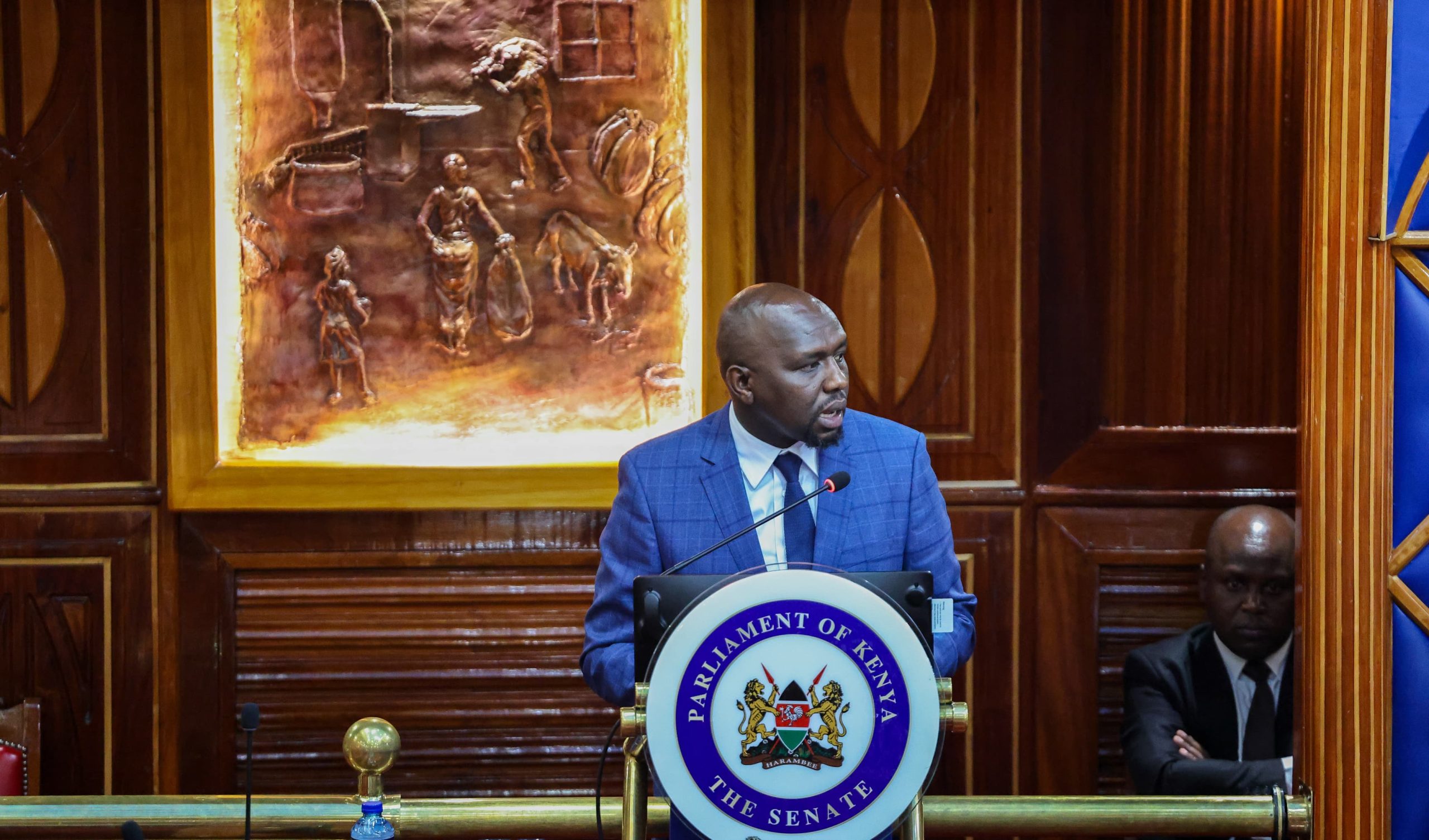
Murkomen gave the figures in a response to a Senate question on youth incarceration, criminal gang activities, violent extremism, political goonism and the rehabilitation of young offenders.
According to figures presented by the Interior Ministry, 109,745 of the youths incarcerated during the period were male, while 12,125 were female. The annual figures were 23,676 in 2022, 31,331 in 2023, 34,776 in 2024, 23,961 in 2025 and 8,126 in 2026. The response does not specify the period covered within 2026, so the latest figure should not be interpreted as a full-year total.
Murkomen said 9,959 youths were imprisoned for criminal gang activities, 676 for violent extremism and 1,189 for political goonism, bringing the combined figure for the three categories to 11,824.
The Interior CS said custodial sentences varied depending on the offences and circumstances of individual cases.
“The prison terms ranged from as short as two (2) days to indefinite sentences, including life imprisonment and the death penalty where applicable under the law.”
He said the average definite custodial sentence imposed on youths was approximately four and a half years.
4,610 youths completed rehabilitation programmes
Murkomen also outlined rehabilitation measures for young people in custody, saying 4,610 youths had completed rehabilitation programmes since 2022.
The programmes include counselling, education, vocational and technical training, creative arts, sports, mental health support and specialised treatment.
Vocational training offered to youths includes welding and fabrication, carpentry and joinery, electrical installation, masonry and plumbing, motor vehicle mechanics, coding and robotics, gaming and animation, and fashion and textile design.
Murkomen said certificates awarded through the programmes include those from the Kenya National Examinations Council, National Industrial Training Authority and TVET institutions, alongside digital literacy and behavioural and life-skills certifications.
Government cites economic and social factors
Murkomen said the government considers youth involvement in crime to have multiple contributing factors rather than treating enforcement as the sole response.
“The Government recognizes that youth involvement in crime is driven by a combination of economic, social, behavioural, and security-related factors.”
He said the government’s interventions therefore include prevention, rehabilitation, skills development, environmental engagement and socio-economic empowerment.
The response cited several youth empowerment initiatives, including the Youth Enterprise Development Fund, Ajira Digital Programme, Kenya Youth Employment and Opportunities Project, Climate Workx Programme and the National Youth Opportunities Towards Advancement programme.
The government has also implemented County Action Plans on Preventing and Countering Violent Extremism, alongside youth mentorship, community dialogue, religious engagement and rehabilitation and reintegration programmes for returnees.
At the security level, Murkomen said authorities have intensified operations targeting criminal gangs, drug trafficking and organised crime.
The figures presented by Murkomen place youth incarceration within a broader government response that combines criminal justice measures with rehabilitation, vocational training and youth empowerment programmes.
The Senate response, however, provides the incarceration totals and programme figures without establishing the proportion of all young offenders who entered rehabilitation or the outcomes of those programmes after release.