President William Ruto has pledged to ease the burden of medical expenses on Kenyan households, saying healthcare reforms are aimed at ending a situation where families sell land, livestock or drain their savings to pay for treatment.
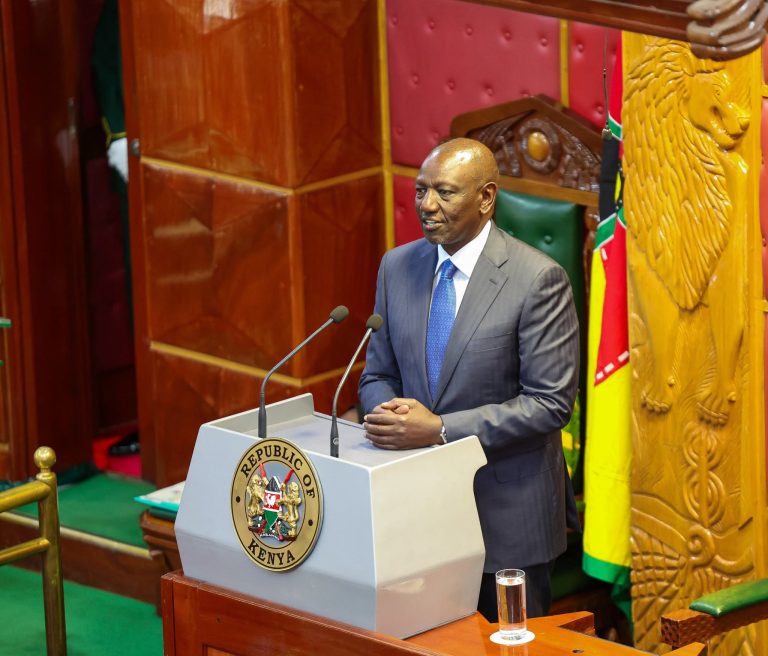
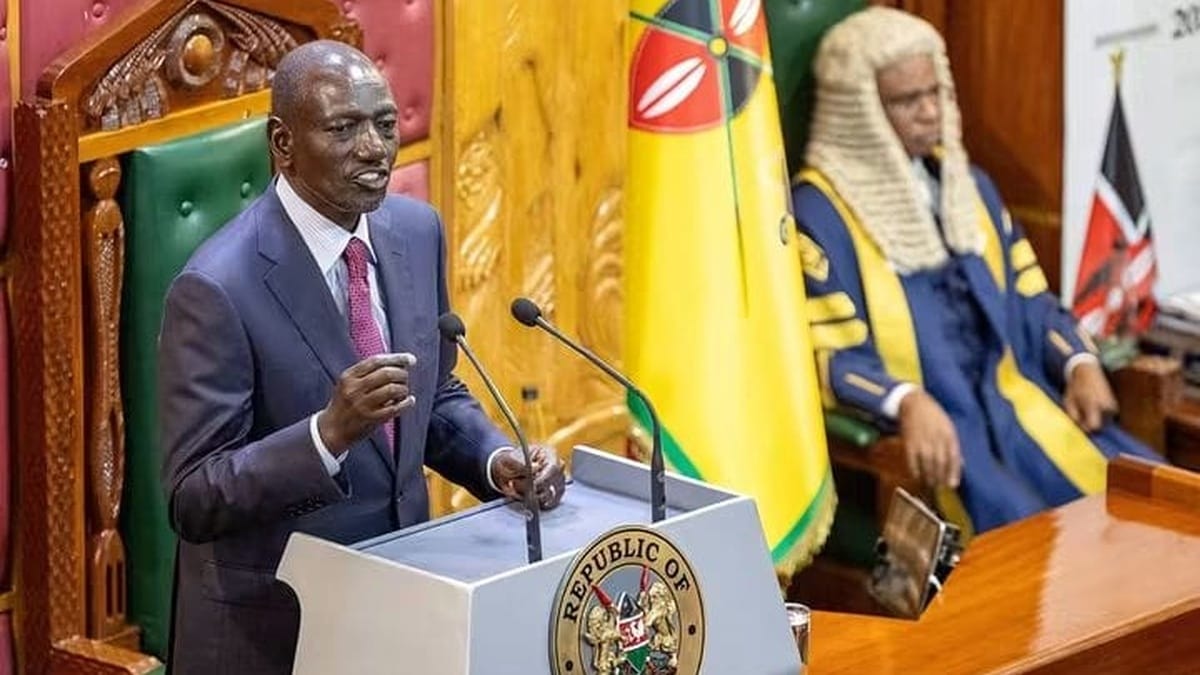
Speaking during his State of the Nation Address, Ruto said serious illnesses had pushed families into debt, forced them to dispose of property or abandon treatment altogether, turning medical emergencies into a threat to their financial survival.
“For too many Kenyans and their families, falling ill has meant borrowing from friends, selling their livestock, disposing land, or abandoning treatment altogether,” he said.
He said the government was seeking to shift the cost of treatment from individual households to shared health financing through the Social Health Authority (SHA), cushioning families against the financial shock of serious illness.
Ruto argued that healthcare reforms should ensure medical emergencies no longer wipe out years of savings and productive effort, pushing households that were making economic progress back into poverty.
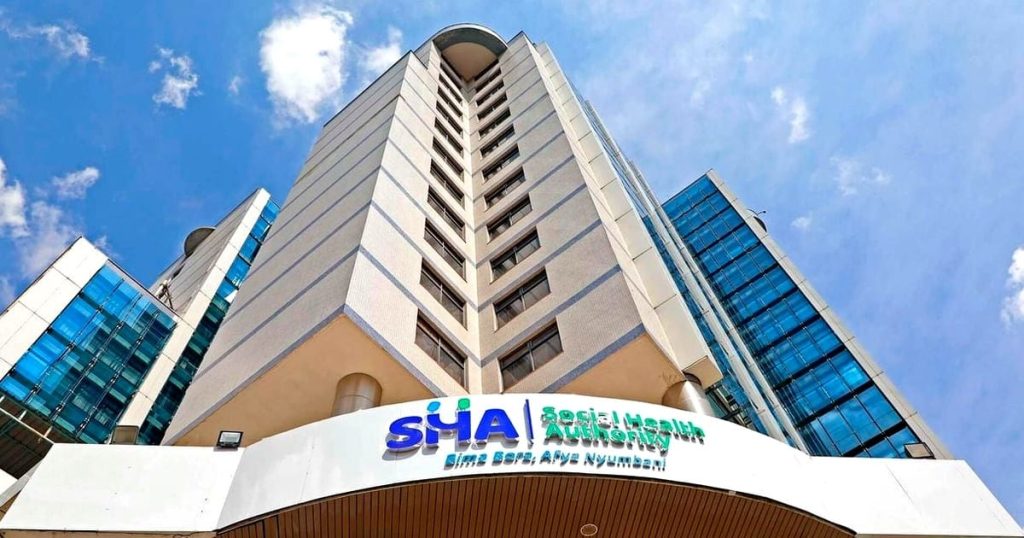
Cancer and kidney patients among beneficiaries
The President cited thousands of patients receiving treatment for illnesses that often require expensive and prolonged medical care, saying their costs were being financed through the shared health system.
According to figures presented in his address, 53,465 patients are receiving cancer treatment, while 24,468 are undergoing dialysis. Another 89 patients have undergone kidney transplants.
“These are among the most expensive forms of medical care, often beyond the financial reach of ordinary households,” Ruto said.
He said financing such treatment collectively was reducing the amount families would otherwise have to raise from personal savings, borrow from relatives or obtain through selling assets.
Cancer treatment and kidney care can expose households to prolonged financial pressure through repeated hospital visits, specialised procedures and continued treatment, making them particularly vulnerable to debt and loss of income.
Ruto said the reforms were intended to protect families from having to choose between seeking medical care and preserving assets they depend on for their livelihoods.
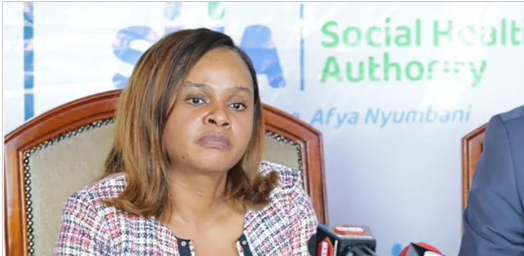
SHA registration reaches 33.7 million
Ruto said 33.7 million Kenyans had registered with SHA, compared with approximately eight million people registered under the National Hospital Insurance Fund in 2022.
He said the significance of the expansion was not merely the number of people enrolled but the treatment they could access and the medical bills families no longer had to shoulder alone.
However, he acknowledged that the transition to SHA had faced initial challenges, saying the government had recognised concerns raised by Kenyans and continued working to address them.
“The transition to SHA had initial challenges, and we recognized the legitimate concerns of Kenyans,” he said.
The expanded registration does not in itself establish whether all members can access treatment seamlessly or whether households have been fully shielded from out-of-pocket expenses, leaving actual patient experiences central to assessing the reforms.
Government targets medical poverty
Ruto said the government was working towards progressively removing the burden of medical expenses from households, protecting family savings and ensuring illness did not become a pathway into poverty.
“Our undertaking is to progressively and eventually remove the crushing burden of medical expenses from Kenyan households, protect family savings, and ensure that illness does not become a sentence to poverty,” he said.
He linked healthcare financing reforms to the broader cost-of-living agenda, arguing that reducing medical expenses would ease pressure on household finances.
The pledge places the success of SHA against a clear measure: whether Kenyans can access treatment without borrowing heavily, selling productive assets or abandoning care because they cannot afford the bill.