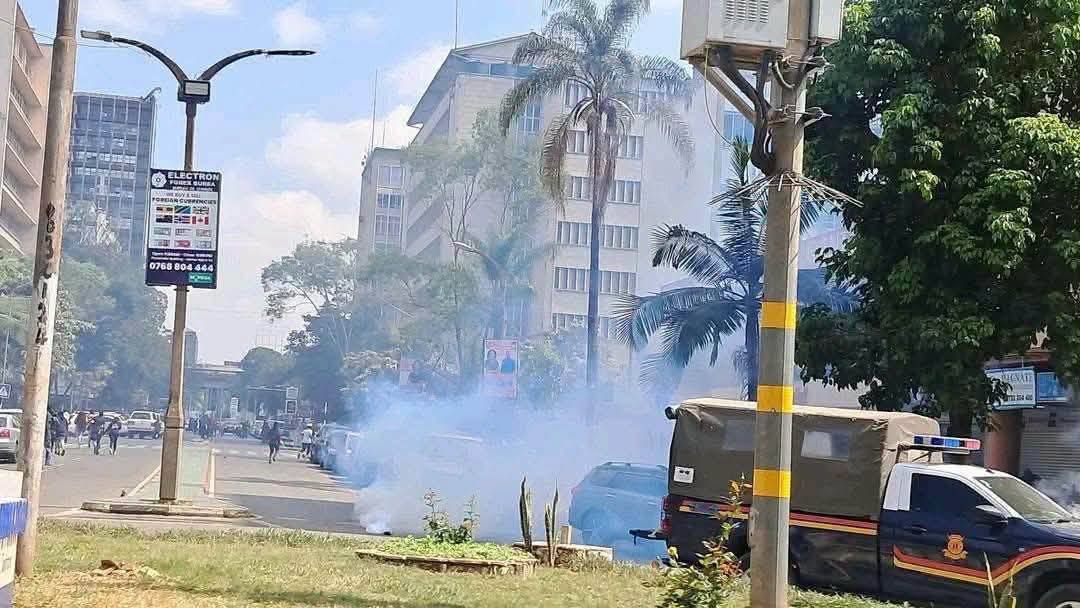
The government says it has paid more than 700 victims of human rights violations approximately Ksh1.4 billion in compensation, but some victims of police brutality during protests say they are still waiting for answers about claims they submitted months ago.
The conflicting accounts have raised questions about the transparency and efficiency of Kenya’s compensation programme, with affected families demanding explanations over beneficiary selection, delayed applications and the whereabouts of funds earmarked for compensation.
The concerns emerged during a meeting between victims and the Panel of Experts on Compensation of Victims of Human Rights Violations at the Kenyatta International Convention Centre (KICC) in Nairobi.
The victims questioned why some applicants had completed the required documentation but had yet to receive updates on their applications, even as the government announced fresh compensation awards.
Jimmy Opiyo, one of the victims who addressed the meeting, challenged the panel to make its compensation guidelines public and explain how beneficiaries are selected.
“We urge the committee to make the guidelines available and explain how you are offering this compensation. It is painful to keep sending victims and their parents from one office to another,” Opiyo said.

He said he had submitted and signed his compensation claim form three months earlier but had not received any communication from the committee.
“I have filled in and signed the claim form. Three months have passed, but nobody has called me. When I go there, there is nothing happening, and nobody tells me the truth,” he said.
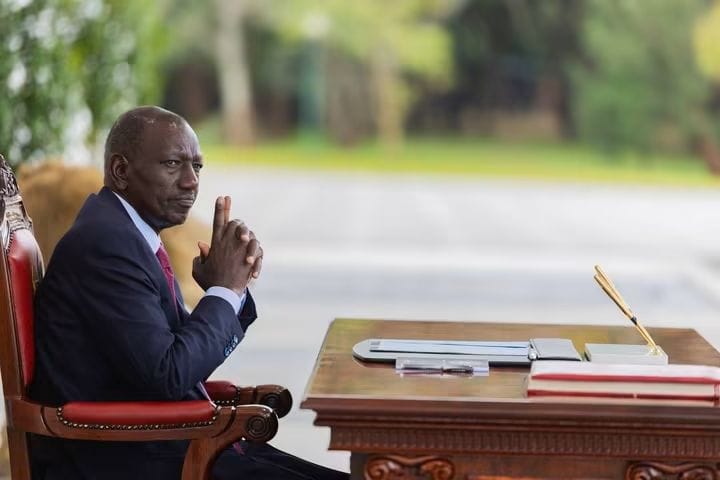
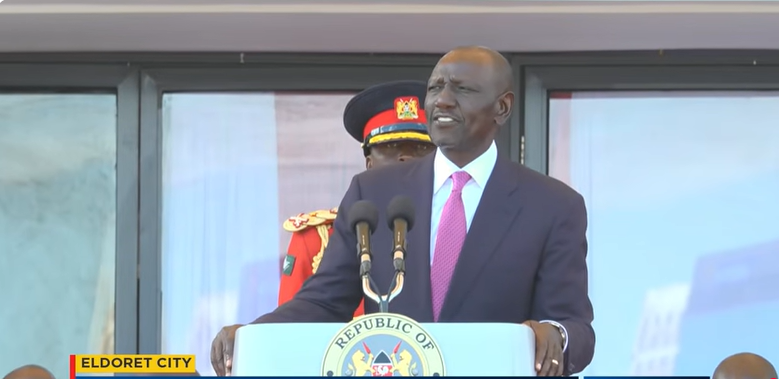
Opiyo appealed to President William Ruto to intervene, arguing that victims who suffered injuries and families who lost relatives during protests should not be left waiting indefinitely.
He also highlighted the lasting consequences of police brutality, saying some victims had lost their hands and eyesight while others had died.
The victims further questioned the management of the compensation funds, demanding clarity on where the money was held and when outstanding claims would be settled.
Government reports Ksh1.4 billion in payouts
The complaints come as the compensation panel, chaired by Professor Makau Mutua, reports progress in its nationwide exercise to compensate victims of human rights violations committed during demonstrations and public protests.
According to the panel’s latest updates, more than 700 victims have received approximately Sh1.4 billion in compensation.
The programme covers violations recorded between 2013 and 2026 and provides financial awards based on the nature and severity of harm suffered.
In its seventh phase of compensation, the government approved Sh96.95 million for 157 verified victims, including civilians and uniformed security officers.
The compensation framework provides Ksh3 million for families of deceased victims, Ksh1 million for aggravated or severe injuries, Ksh500,000 for moderate injuries and Ksh50,000 for minor injuries.
Victims of aggravated sexual offences are eligible for Ksh1 million, while verified economic losses attract compensation of up to Ksh50,000.
The panel has also reported processing approximately 236 fatality claims.
However, the latest complaints raise questions about how individual applications are being handled and whether all eligible victims are receiving timely feedback.
November 14 deadline puts pressure on claimants
The compensation exercise is also approaching a critical deadline, with the panel set to close its window for receiving new applications on November 14, 2026.
Victims who have not yet submitted their claims have only a few days to do so.
Applications can be lodged at the panel’s offices on the ground floor of KICC, through the Kenya National Commission on Human Rights (KNCHR) or the Independent Policing Oversight Authority (IPOA), as well as through the panel’s official online and email channels.
The panel has warned applicants against fraudsters and brokers demanding money to facilitate compensation, maintaining that the entire application and verification process is free.
For victims who have already submitted their claims, however, the immediate concern is whether their applications will be processed and whether they will receive clear explanations about decisions affecting their eligibility.
The victims are now calling on the panel and President Ruto to address outstanding applications, publish clear selection criteria and ensure that the compensation exercise does not leave eligible claimants behind.
The central question facing the programme is whether the government’s reported progress in disbursing compensation is translating into timely and transparent outcomes for every eligible victim.